Shekhawat hails cricket as India-Australia friendship bridge at MCG
Synopsis
Union Culture and Tourism Minister Gajendra Singh Shekhawat on 10 July 2026 hailed the Melbourne Cricket Ground as the strongest bridge of India-Australia friendship, framing cricket as a key instrument of bilateral people-to-people engagement and soft-power diplomacy.
Key Takeaways
Union Culture and Tourism Minister Gajendra Singh Shekhawat posted on X on 10 July 2026 calling cricket at the Melbourne Cricket Ground the strongest bridge of India-Australia friendship.
India and Australia have played cricket at the MCG since the 1947-48 season , giving the venue deep bilateral significance.
The Border-Gavaskar Trophy , instituted in 1996 , is the flagship bilateral Test series between the two nations.
Shekhawat's ministry — Culture and Tourism — has a policy mandate that encompasses sporting soft-power and tourism promotion tied to major international events.
The post signals potential government interest in formalising tourism campaigns around future India-Australia cricket series.
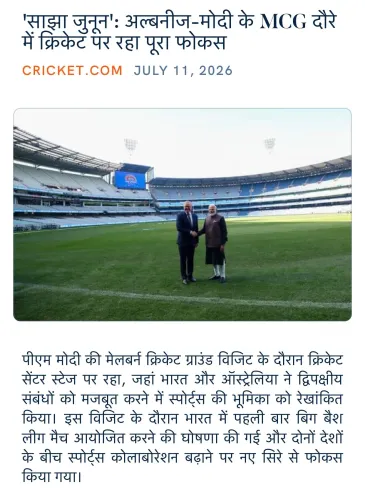
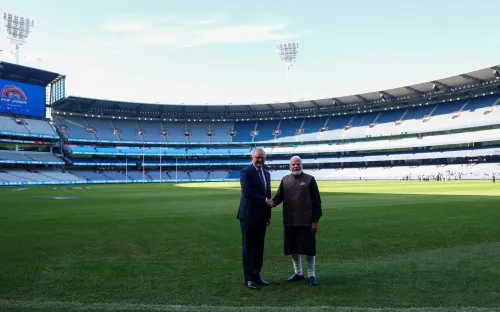
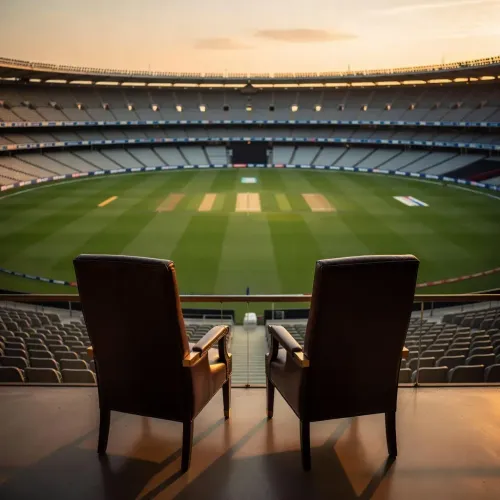
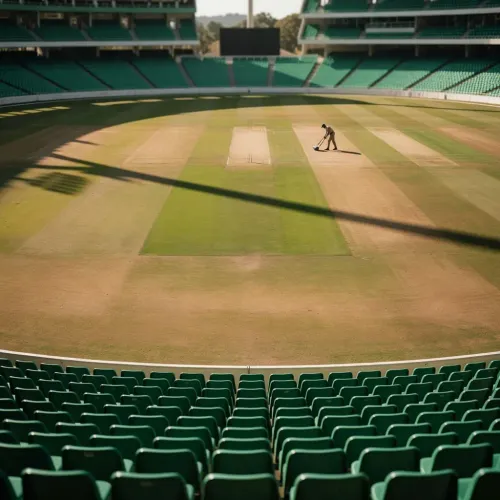
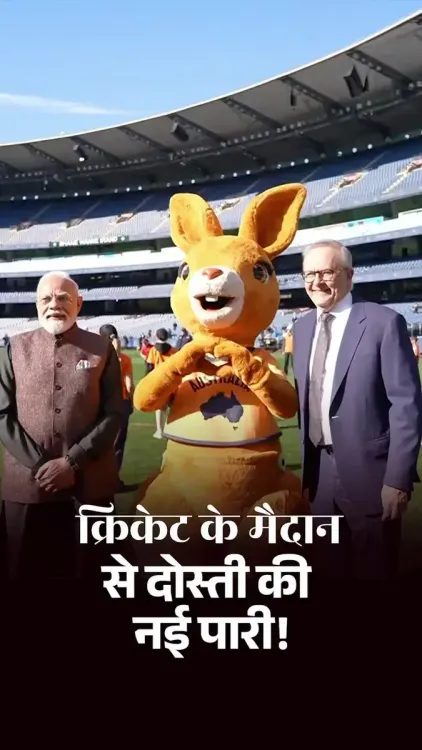
Union Culture and Tourism Minister Gajendra Singh Shekhawat on Friday, 10 July 2026, invoked the Melbourne Cricket Ground (MCG) as the most powerful symbol of friendship between India and Australia, posting on X that cricket had become the strongest bridge between the two nations.
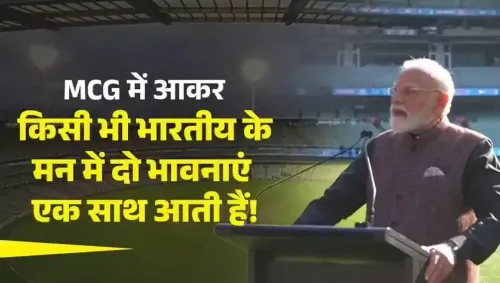
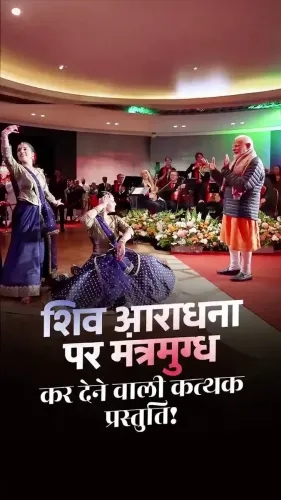
In his post, Shekhawat wrote: 'मेलबर्न क्रिकेट ग्राउंड पर क्रिकेट बना भारत और ऑस्ट्रेलिया की दोस्ती का सबसे मजबूत पुल' — 'At the Melbourne Cricket Ground, cricket has become the strongest bridge of friendship between India and Australia.' The remark, accompanied by a video, frames cricket not merely as sport but as an instrument of bilateral goodwill.
Context
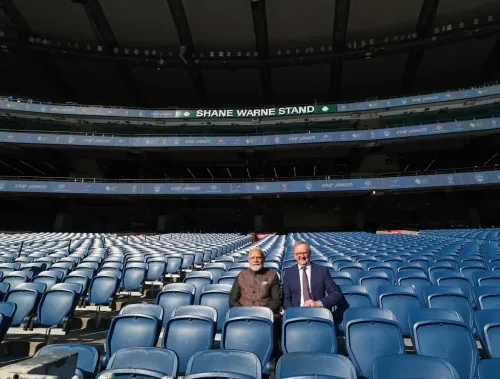
The Melbourne Cricket Ground is one of the world's largest and most storied stadiums, with a capacity exceeding 1 lakh spectators. India and Australia have played at the venue since the 1940s, making it a recurring stage for some of the most watched cricket contests in history. The ground carries deep cultural resonance for both nations' cricket communities.
Shekhawat's post comes amid sustained public interest in India-Australia cricket, a relationship that has grown in intensity and viewership over successive bilateral series. His framing of the MCG as a 'bridge' reflects a view shared across political spectrums that sporting venues serve as neutral, emotionally powerful meeting points for peoples of different nations.
Policy Backdrop
India and Australia's cricketing ties predate formal diplomatic architecture — bilateral cricket tours began as early as the 1947-48 season, well before the two countries formalised a security partnership. The Border-Gavaskar Trophy, instituted in 1996 and named after two legends of the game, has since become the flagship bilateral Test series and a marker of the health of the overall relationship.
Successive Indian governments have treated sporting exchanges as a component of soft-power diplomacy, a role that falls partly within the Ministry of Culture and Tourism. Shekhawat, as the incumbent minister, is well-positioned to amplify cricket's role in people-to-people engagement — a priority that runs alongside formal mechanisms such as the Quad grouping and defence cooperation agreements.
Stakeholders and Impact
The most immediate stakeholders are the millions of cricket fans in both countries who follow India-Australia matches with intense interest. Beyond the stands, the tourism sector stands to benefit: high-profile series at venues like the MCG drive significant travel from India, with supporters booking flights and hotels months in advance.
A minister's public endorsement of cricket as a diplomatic tool can also signal to tourism boards and travel industry players that government support exists for joint promotional campaigns around sporting events. The Ministry of Culture and Tourism has in the past coordinated with sporting bodies on destination-marketing tied to major international fixtures.
What's Next
Attention will now turn to the scheduling of the next Border-Gavaskar Trophy cycle and whether the Culture and Tourism Ministry moves to formalise any tourism-promotion tie-up around India-Australia cricket. Visa facilitation for travelling fans and joint cultural programming around match venues are among the practical levers available to the ministry.
Shekhawat's post signals an appetite at the political level to leverage cricket's unmatched reach as a soft-power asset — a cue that stakeholders in both the tourism and sports sectors are likely to watch closely.
Point of View
Using a high-visibility sporting symbol to reinforce India-Australia people-to-people ties at a moment when bilateral relations are anchored in the Quad framework and deepening defence cooperation. By invoking the MCG specifically, he taps into a shared emotional vocabulary that resonates far more broadly than any formal policy statement. The framing also positions the Culture and Tourism Ministry as an active player in foreign-policy soft power, not merely a domestic affairs portfolio. It is consistent with a broader BJP-era pattern of using sporting and cultural milestones to project India's global relationships in accessible, popular terms.
NationPress
8 Oct 2026
Frequently Asked Questions
Why did Gajendra Singh Shekhawat post about the Melbourne Cricket Ground?
Shekhawat posted on 10 July 2026 to highlight cricket as the strongest bridge of friendship between India and Australia, framing the MCG as a symbol of bilateral people-to-people ties.
What is the Border-Gavaskar Trophy?
The Border-Gavaskar Trophy is the bilateral Test cricket series between India and Australia, instituted in 1996 and named after Australian captain Allan Border and Indian batting legend Sunil Gavaskar.
When did India and Australia first play cricket at the Melbourne Cricket Ground?
India and Australia have played cricket at the Melbourne Cricket Ground since the 1947-48 tour, making it one of the longest-running bilateral cricket venues for the two nations.
What role does the Ministry of Culture and Tourism play in India-Australia cricket?
The Ministry of Culture and Tourism can support tourism promotion campaigns, visa facilitation for travelling fans, and cultural programming tied to major India-Australia cricket series.
How does cricket fit into India-Australia diplomatic relations?
Cricket has functioned as a consistent channel of people-to-people contact between India and Australia since the 1940s, running parallel to formal diplomatic and security cooperation including the Quad grouping.