CM Sai backs 'Mor Gaon Mor Paani' water conservation drive
Synopsis
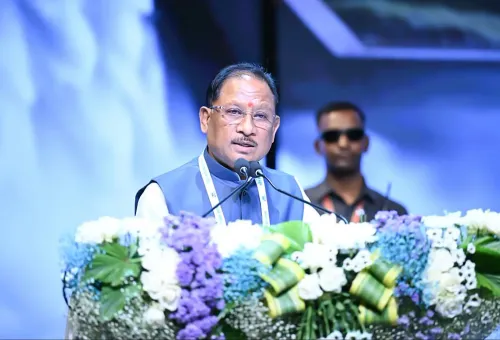
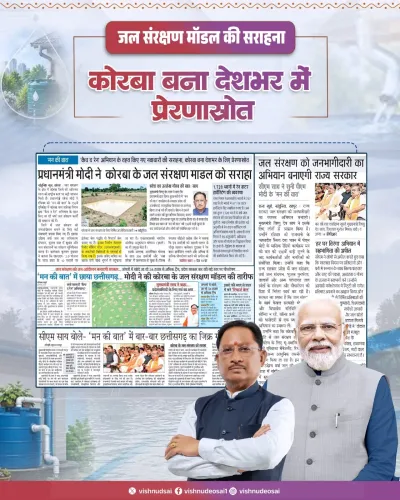
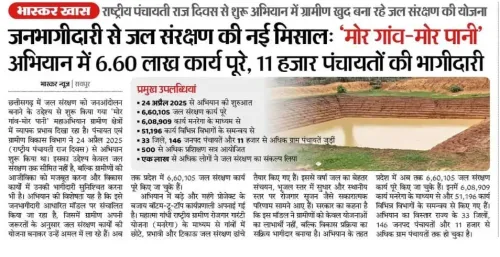
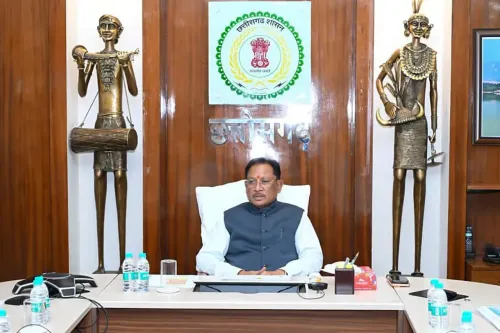
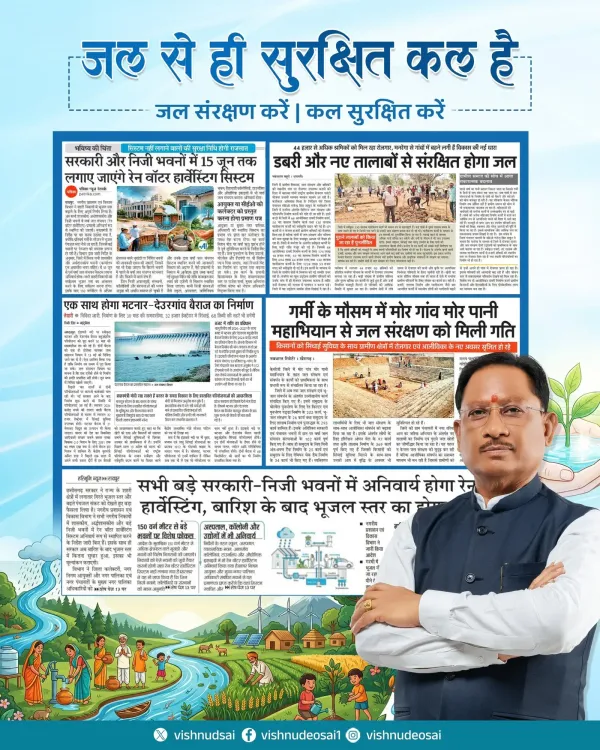
Chhattisgarh Chief Minister Vishnu Deo Sai on 28 May 2026 called water conservation a collective responsibility, highlighting the 'Mor Gaon, Mor Paani' campaign as his government's effort to build a people-led water movement across the state's villages.
Key Takeaways
CM Vishnu Deo Sai posted on 28 May 2026 reaffirming water conservation as a collective public responsibility.
The Mor Gaon, Mor Paani ('My Village, My Water') campaign is Chhattisgarh's flagship village-level water security initiative.
The state's approach aligns with the central government's Jal Shakti Abhiyan (launched 2019 ) and the Jal Jeevan Mission .
Primary beneficiaries are rural villagers and small farmers facing groundwater depletion and erratic rainfall.
Gram panchayats are the operational backbone for implementing local water conservation works.
District-level implementation reports and budget allocations for water structures are the key metrics to watch.
Chhattisgarh Chief Minister Vishnu Deo Sai on Thursday, 28 May 2026, reaffirmed his government's commitment to making water conservation a people's movement, citing the state-level campaign 'Mor Gaon, Mor Paani' as a vehicle for securing the future of rural communities across the state.
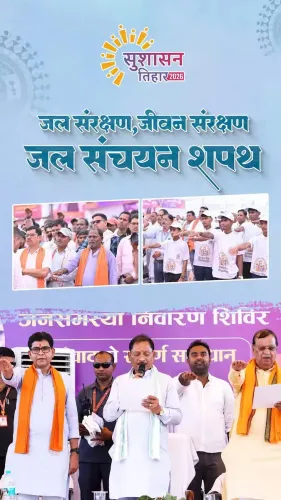
Writing in Hindi, the Chief Minister declared: 'Jal hi jeevan ka aadhar hai aur uska sanrakshan hum sabhi ki samuhik jimmedari hai' ('Water is the foundation of life and its conservation is the collective responsibility of us all'). He added that his administration is working continuously alongside the public to turn water conservation into a mass movement.
Context
Chhattisgarh is a largely rural, central Indian state where groundwater depletion and erratic monsoon patterns pose persistent challenges for small farmers and village households. The Chief Minister's post comes ahead of the pre-monsoon period, when awareness around water storage and recharge is most critical. Sai, who assumed office in December 2023, has positioned good governance — 'sushasan' — as a defining theme of his administration.
Policy Backdrop
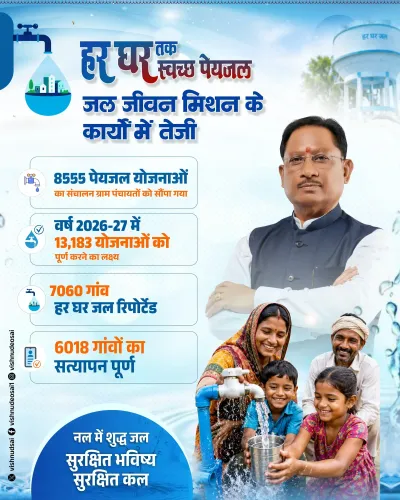
The Mor Gaon, Mor Paani ('My Village, My Water') campaign is a Chhattisgarh initiative designed to anchor water security at the village level through community participation rather than top-down infrastructure alone. It operates alongside the national Jal Shakti Abhiyan, launched by the central government in 2019, which promotes water conservation through coordinated community action across states. Chhattisgarh also integrated its efforts with the Jal Jeevan Mission starting 2019, aimed at delivering functional household tap connections to every rural home.
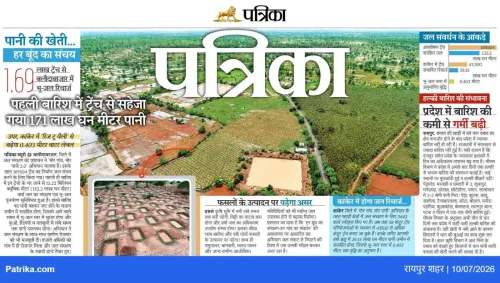
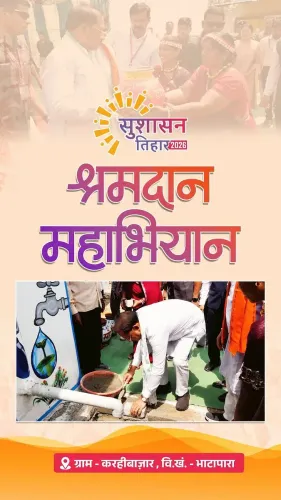
The broader policy direction across Indian states has shifted toward decentralised, people-led models that combine local cultural slogans with central funding frameworks. This approach seeks to drive sustained behavioural change — encouraging communities to build check dams, revive traditional water bodies, and adopt rainwater harvesting — rather than relying solely on large-scale infrastructure projects.
Stakeholders and Impact
The primary beneficiaries of these campaigns are rural villagers and small farmers, who are most exposed to seasonal water scarcity and groundwater stress. Community-led conservation efforts, when implemented effectively, can improve agricultural resilience, reduce dependence on erratic rainfall, and lower the cost burden on state irrigation budgets. Women in rural households, who often bear the burden of water collection, stand to gain significantly from improved local water availability.
Gram panchayats and local self-government bodies are expected to serve as the operational backbone of the Mor Gaon, Mor Paani campaign, channelling both awareness and physical water-conservation works at the village level.
What's Next
Observers will watch for district-level implementation reports of the Mor Gaon, Mor Paani campaign and any dedicated budget allocations for water structures — such as check dams, pond rejuvenation, and watershed development — in the state's next action plan. The Chief Minister's public communication signals that water conservation will remain a priority policy plank for the BJP-led government in Raipur as the monsoon season approaches. Whether the campaign translates into measurable improvements in groundwater tables and rural water access will be the key test of its effectiveness.
Point of View
A pattern visible across multiple BJP-ruled states. The invocation of 'sushasan' (good governance) alongside a grassroots slogan reinforces the administration's political brand ahead of what will likely be a demanding monsoon season. The real measure of this messaging will be whether district administrations can demonstrate tangible outcomes — revived water bodies, improved groundwater levels — rather than campaign visibility alone.
NationPress
16 Sept 2026
Frequently Asked Questions
What is the 'Mor Gaon, Mor Paani' campaign in Chhattisgarh?
'Mor Gaon, Mor Paani' — meaning 'My Village, My Water' in Chhattisgarhi — is a state government initiative to promote community-led water conservation at the village level, encouraging local bodies to build water structures and adopt rainwater harvesting practices.
What did Chhattisgarh CM Vishnu Deo Sai say about water conservation?
On 28 May 2026, CM Vishnu Deo Sai stated that water is the foundation of life and that its conservation is the collective responsibility of all citizens, adding that his government is working to make water conservation a mass movement alongside the public.
How does Chhattisgarh's water campaign connect to central government schemes?
Chhattisgarh's water conservation efforts are aligned with the central government's Jal Shakti Abhiyan launched in 2019 and the Jal Jeevan Mission, which aims to provide functional household tap connections to every rural home across India.
Who benefits from the Mor Gaon Mor Paani campaign?
The primary beneficiaries are rural villagers and small farmers in Chhattisgarh who face seasonal water scarcity and groundwater stress; gram panchayats are tasked with implementing local water conservation works under the campaign.
When did Vishnu Deo Sai become Chief Minister of Chhattisgarh?
Vishnu Deo Sai assumed office as Chief Minister of Chhattisgarh in December 2023, leading a BJP government that has positioned good governance and community welfare as its central themes.