US Congress moves to ban prediction market trading by lawmakers
Synopsis
Both chambers of the US Congress are now moving to ban lawmakers and staff from trading on prediction markets like Kalshi and Polymarket, with a Republican-led House resolution following a unanimous Senate vote. The push is anchored by a real case: a soldier allegedly made over $400,000 on Polymarket using confidential government information.
Key Takeaways
Republican Congresswoman Ashley Hinson of Iowa introduced a House resolution on Thursday to ban lawmakers and staff from trading on prediction markets such as Kalshi and Polymarket .
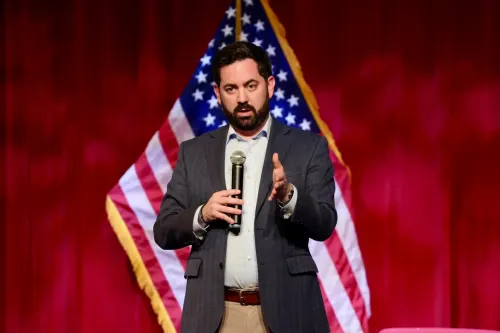
The Senate unanimously adopted S Res 708 last month, led by Senator Bernie Moreno of Ohio , imposing similar restrictions on senators and staff.
Democratic Congresswoman Dina Titus of Nevada introduced a separate but similar bill in April , with an exception for sports wagers.
A special forces soldier pleaded not guilty last month to allegedly using confidential information to bet on Polymarket , reportedly generating over $400,000 .
Broader federal regulation of prediction markets has been deferred, with Senator Moreno indicating it would require separate congressional hearings.
Lawmakers in the US House of Representatives have introduced legislation to ban members of Congress and their staff from trading on prediction markets, days after the Senate unanimously adopted similar restrictions. The bipartisan push reflects mounting scrutiny over potential insider trading and ethics concerns tied to platforms such as Kalshi and Polymarket.
The House Resolution
Republican Congresswoman Ashley Hinson of Iowa on Thursday introduced a resolution to amend House rules, prohibiting lawmakers, congressional staff, and House officers from entering agreements tied to the outcome of specific events. Under the proposed change, members, delegates, resident commissioners, officers, and employees of the House would be barred from entering any agreement, contract, swap, or transaction tied to the occurrence, nonoccurrence, or extent of a specific event or contingency.
Hinson called for swift action. "I think this is something we should be doing as fast as possible," she said, adding that she did not want Congress's inaction to create a loophole that could be exploited. In a formal statement, she said: "Members of Congress shouldn't be able to use insider knowledge to make a profit. We should take immediate action to ensure DC politicians can't make money off of policies they are influencing. I am calling on our House Republican leadership to bring this to the floor immediately — it should receive unanimous support."
Senate Already Acted
The House move follows the Senate's unanimous adoption last month of S Res 708, a resolution led by Republican Senator Bernie Moreno of Ohio, which revised Senate rules to bar senators and staff from trading contracts linked to specific events. Moreno framed the Senate action as part of a broader effort to restore public trust in Congress.
"My issue is, let's clean up Congress. If there are going to be guardrails in prediction markets, that's a longer conversation that should have hearings," Moreno said. "But we don't want to wait until that ... we just wanted to clean up Congress."
Hinson said she coordinated her House effort directly with Moreno after previously collaborating with him on other legislative matters.
A Bipartisan Push
Hinson is not alone in advancing the proposal. Democratic Congresswoman Dina Titus of Nevada introduced a separate resolution in April that would also prohibit members and staff from trading on prediction markets, though her proposal includes an exception for sports wagers.
"No Member of Congress should be able to profit off their insider knowledge by placing informed bets on prediction market platforms like Kalshi and Polymarket," Titus said in a statement. The convergence of Republican and Democratic proposals signals rare cross-party alignment on the ethics question, even if the two bills differ in scope.
The Insider Trading Concern
The legislative push gains urgency against the backdrop of a high-profile case. According to CQ, a special forces soldier pleaded not guilty last month to allegedly using confidential information to place bets on Polymarket that Venezuelan President Nicolás Maduro would leave office. The trades allegedly generated more than $400,000.
Hinson drew a direct parallel to congressional officials: "This is a very clear line where people understand, 'Hey, you know things ahead of when the normal public does.' It certainly should apply to everyone, but ... it absolutely should apply to members of Congress."
What Comes Next
Prediction markets have gained considerable visibility in Washington in recent months, attracting growing concern from lawmakers who warn that officials with advance knowledge of government actions could exploit the platforms for financial gain. Whether House Republican leadership will bring the Hinson resolution to a floor vote remains to be seen, though she has explicitly called for it to happen as fast as possible. The broader question of federal regulation of prediction markets has been deliberately deferred for now, with Moreno indicating that wider guardrails would require separate hearings.
Point of View
But the real test is whether the House resolution reaches the floor or quietly stalls. The Senate moved swiftly and unanimously; the House, with its more fractured Republican majority, may not. The Polymarket soldier case has given reformers a concrete, media-friendly example to anchor the argument, but the deliberate deferral of broader platform regulation suits incumbents on both sides who want the optics of reform without the friction of a fuller reckoning. The line between congressional ethics and market regulation is being drawn carefully — and conveniently.
NationPress
10 May 2026
Frequently Asked Questions
Why are US lawmakers trying to ban prediction market trading?
Lawmakers are concerned that members of Congress and staff, who have advance knowledge of government policy decisions, could exploit prediction market platforms like Kalshi and Polymarket for financial gain. The push follows a unanimous Senate vote on similar restrictions and a high-profile case involving a soldier allegedly using confidential information to generate over $400,000 on Polymarket.
What does the House resolution introduced by Ashley Hinson propose?
Republican Congresswoman Ashley Hinson of Iowa introduced a resolution to amend House rules, barring lawmakers, staff, and officers from entering any agreement, contract, swap, or transaction tied to the outcome of a specific event — effectively banning participation in prediction markets. She has called on House Republican leadership to bring it to the floor immediately.
What did the US Senate already do on prediction markets?
The Senate unanimously adopted S Res 708 last month, led by Republican Senator Bernie Moreno of Ohio. The resolution revised Senate rules to bar senators and staff from trading contracts linked to specific events, framed as part of a broader effort to restore public trust in Congress.
What is the Polymarket insider trading case referenced by lawmakers?
According to CQ, a special forces soldier pleaded not guilty last month to allegedly using confidential information to bet on Polymarket that Venezuelan President Nicolás Maduro would leave office. The trades allegedly generated more than $400,000, and the case has been cited by lawmakers as a concrete example of why such restrictions are necessary.
Is there bipartisan support for banning prediction market trading in Congress?
Yes. Republican Congresswoman Ashley Hinson and Democratic Congresswoman Dina Titus of Nevada have each introduced separate resolutions banning lawmakers and staff from trading on prediction markets. Titus's version includes an exception for sports wagers, but both proposals share the core restriction on event-based trading.