Why Did RS Chairman Reject the Opposition MP's Notice on India-US Trade Deal Discussion?
Synopsis
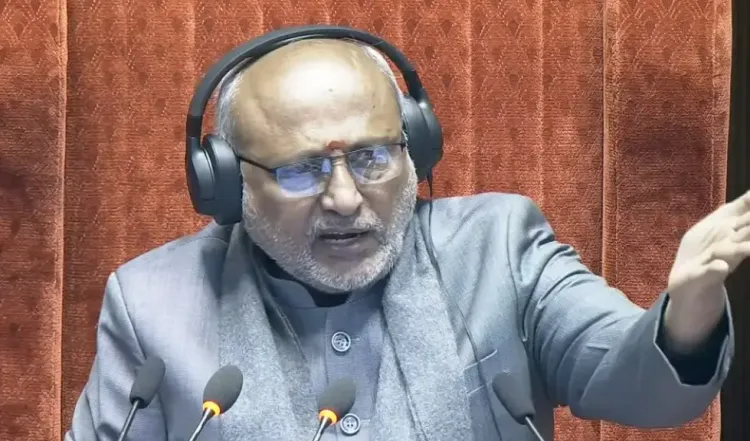
In a contentious Rajya Sabha session, CPI(M) MP John Brittas sought to suspend business for an urgent discussion on the India-US trade deal. However, Chairman C.P. Radhakrishnan denied the request, citing the absence of an emergency. This incident reflects ongoing opposition concerns about transparency and national interests.
Key Takeaways
Radhakrishnan rejected the notice to suspend business.
CPI(M) MP John Brittas raised concerns over transparency.
The India-US trade deal involves significant tariff reductions.
The opposition demands a parliamentary debate on the agreement.
Concerns were voiced regarding potential impacts on India's agriculture sector.
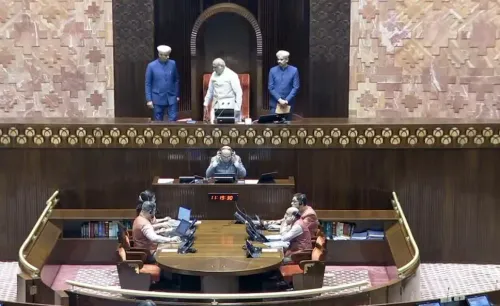
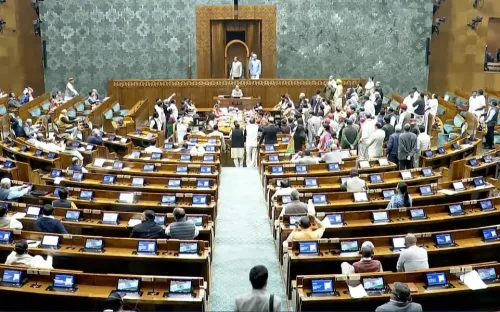
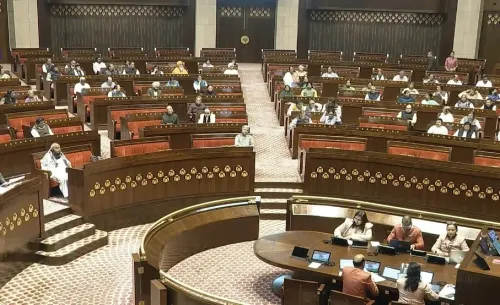
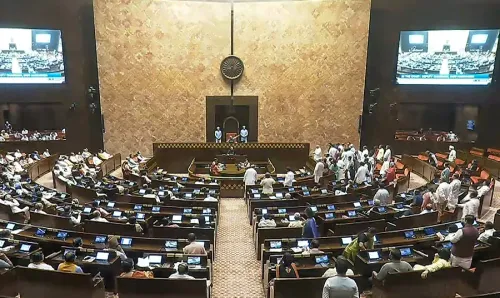
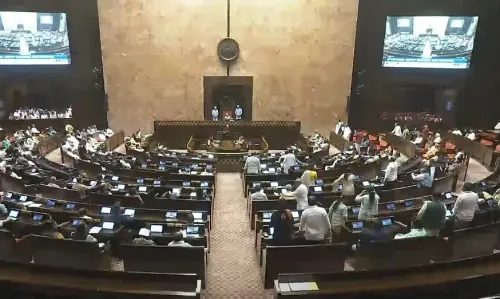
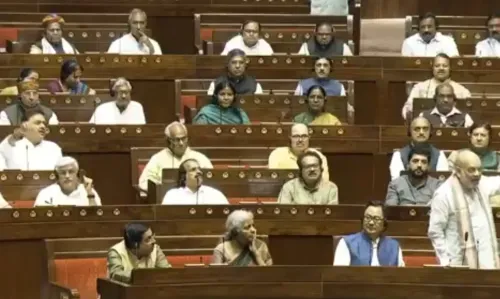
New Delhi, Feb 4 (NationPress) The Rajya Sabha session turned heated on Wednesday when CPI(M) MP John Brittas submitted a notice under Rule 267 aiming to halt the day's agenda and urgently discuss the newly revealed India-US trade deal.
Chairman C.P. Radhakrishnan rejected the appeal, explaining that Rule 267, which allows for the suspension of the House's proceedings, necessitates a proven emergency.
This incident occurred amid persistent opposition criticisms concerning the trade agreement, originally disclosed by US President Donald Trump via the social media platform X late on February 2, with Prime Minister Narendra Modi subsequently responding.
Members of the opposition, including representatives from Congress, CPI(M), and others, have insisted on complete transparency, demanding the text of the agreement be presented and a parliamentary debate be held, alleging that the government has violated protocol by failing to disclose details in the House during this session.
Brittas, while engaging in the debate on the Motion of Thanks to the President’s address, criticized the timing and medium of the announcement. He questioned whether the Parliament had become “inferior to Elon Musk’s X platform,” noting that the deal was revealed at 9 p.m. on social media while Parliament was in session.
He raised alarms regarding the potential repercussions on India's agriculture sector, sovereignty, and strategic autonomy, accusing the government of undermining national interests without sufficient oversight.
Brittas emphasized the absence of clarification even hours post-announcement, highlighting the unusual late-night engagement required from Indian leaders to address US statements.
The India-US trade deal, regarded by some as a significant reset in bilateral relations following months of tariff disputes, entails the US reducing reciprocal tariffs on Indian goods from 25% to 18%, effective immediately. Trump asserted that India agreed to eliminate its tariffs and non-tariff barriers on US products, halt purchases of Russian oil, and boost imports from the US and Venezuela.
Point of View
It is essential to maintain a neutral perspective while considering the nation's best interests. The rejection of the notice reflects the need for established protocols in parliamentary procedures; however, the call for transparency from opposition parties highlights the delicate balance between governance and accountability.
NationPress
26 Sept 2026
Frequently Asked Questions
What was the main issue raised by CPI(M) MP John Brittas?
CPI(M) MP John Brittas raised concerns about the timing of the India-US trade deal announcement and sought to suspend the scheduled business in Rajya Sabha to discuss it urgently.
Why did the Chairman reject the motion?
Chairman C.P. Radhakrishnan rejected the motion, stating that Rule 267, which allows for suspension of House business, requires a demonstrated emergency.
What are the main components of the India-US trade deal?
The trade deal involves the US reducing reciprocal tariffs on Indian goods from 25% to 18% and India agreeing to lower tariffs and non-tariff barriers on US products.