US embargo on Cuba: Infant mortality up 148%, 100,000+ patients hit
Synopsis
A CEPR study cited by Cuban media reveals the US embargo has driven Cuba's infant mortality rate up 148% since 2018, left over 100,000 patients waiting for surgery, and pushed Havana into 20-hour daily blackouts — with only one fuel shipment received in all of 2026. The data puts a stark numerical face on what Havana calls 'collective punishment.'
Key Takeaways
Cuba's infant mortality rate rose from 4 per 1,000 live births in 2018 to 9.9 per 1,000 in 2025 — a 148% increase , according to a CEPR study.
Cancer survival rates for children have dropped from 85% to 65% since US oil restrictions were imposed.
More than 100,000 patients — including 5,152 cancer patients and nearly 12,000 children — are awaiting surgery.
Cuba has received only one fuel shipment in 2026 , causing power outages of over 20 hours daily in Havana and a 2,000 megawatt daily electricity shortfall.
More than 100,000 children have been cut off from state-subsidised milk due to fuel-related transport disruptions.
UNDP , UNICEF , and WFP have all reported difficulties distributing food aid containers inside Cuba.
The US embargo against Cuba has inflicted severe humanitarian damage across the Caribbean nation, emerging as the primary barrier to its social and economic development, according to a report by the Center for Economic and Policy Research (CEPR) cited by Cuban news outlet Cubadebate. The findings, published on 16 June 2026, document a sharp deterioration in public health, food security, and energy access since sanctions were tightened.
Infant Mortality and Healthcare in Crisis
Cuba's infant mortality rate has surged from 4 deaths per 1,000 live births in 2018 to 9.9 per 1,000 in 2025 — a rise of 148 per cent, according to the CEPR study. Researchers suggest the tightening of US sanctions, which began during President Donald Trump's first term in 2017, may have been a primary driver of this increase.
The survival rate for children with cancer has also fallen sharply — from 85 per cent to 65 per cent — since the United States imposed restrictions on oil supplies to the island and intensified its broader sanctions regime, according to official statistics cited by Cubadebate.
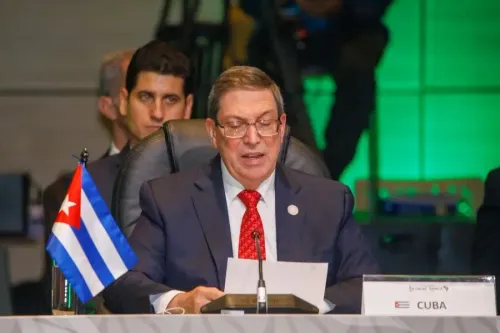
Cuban officials have recently spoken out against the embargo's healthcare impact. Foreign Minister Bruno Rodriguez and Deputy Public Health Minister Carilda Pena have both denounced the effects of executive orders issued on 29 January and 1 May this year, describing the measures as 'collective punishment.'
Patients Awaiting Surgery and Dialysis Affected
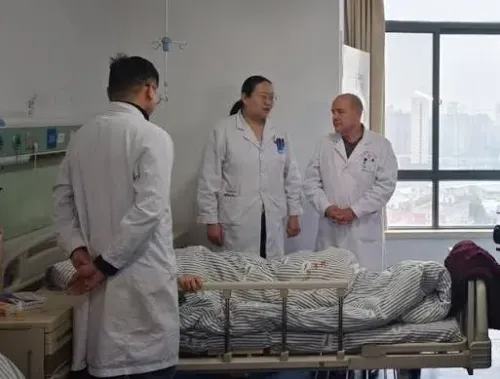
According to Cubadebate, the US measures have affected more than 100,000 patients currently awaiting surgery, including 5,152 cancer patients and nearly 12,000 children. An additional 2,888 patients undergoing hemodialysis face disruptions to treatment that depends on imported supplies, water, and specialised equipment, Cuba's Public Health Ministry has reported.
The restrictions have also hampered Cuba's ability to procure raw materials, equipment, and financial resources needed to sustain domestic production of vaccines, essential medicines, and diagnostic tools for diseases including cancer.
Energy Crisis Worsens Food and Supply Chains
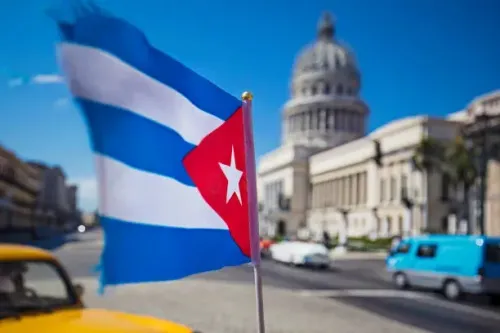
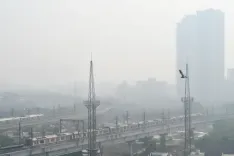
Cuba's deepening energy crisis, exacerbated by US oil restrictions, has resulted in power outages exceeding 20 hours in Havana and a daily electricity shortfall of approximately 2,000 megawatts, the outlet reported. So far in 2026, Cuba has received only one fuel shipment — 100,000 metric tonnes of crude oil carried by the Russian tanker Anatoly Kolodkin.
The fuel crisis has disrupted transport from production centres to cities, preventing more than 100,000 children from receiving state-subsidised milk, according to food industry officials cited by Cubadebate. In addition, 170 containers of essential goods valued at $6.3 million have not been distributed across the country.
UN Agencies Flag Aid Distribution Difficulties
International humanitarian organisations — including the United Nations Development Programme (UNDP), the United Nations Children's Fund (UNICEF), and the World Food Programme (WFP) — have also reported difficulties distributing containers carrying food aid inside Cuba, according to Cubadebate.
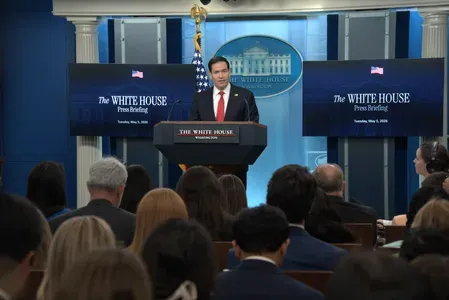
This comes amid a broader international debate over the legality and humanitarian consequences of unilateral economic sanctions. Cuba has long argued before UN bodies that the embargo violates international law; the United States maintains the restrictions are a legitimate policy tool linked to governance and human rights concerns in Havana.
As the embargo enters its seventh decade, the compounding effects on healthcare, energy, and food access suggest the humanitarian cost is accelerating — and international pressure for a policy review is likely to intensify.
Point of View
While sourced through Cuban state-aligned media, aligns with a pattern documented by independent public health researchers: sustained sanctions on import-dependent healthcare systems disproportionately harm the most vulnerable, not the government they target. The jump from 4 to 9.9 infant deaths per 1,000 live births in seven years is a public health emergency by any standard, and the silence from multilateral institutions beyond distribution complaints is conspicuous. Washington's position — that the embargo is a governance lever — grows harder to sustain when UN agencies are themselves unable to move food aid. The question mainstream coverage rarely asks is whether decades of embargo have strengthened or weakened the Cuban government's domestic legitimacy; the humanitarian toll suggests the answer is not straightforward.
NationPress
16 Sept 2026
Frequently Asked Questions
What has the US embargo done to Cuba's infant mortality rate?
Cuba's infant mortality rate climbed from 4 deaths per 1,000 live births in 2018 to 9.9 in 2025 — a 148% increase — according to a Center for Economic and Policy Research study cited by Cuban outlet Cubadebate. Researchers suggest the tightening of US sanctions beginning in 2017 may have been a primary cause of this rise.
How many patients in Cuba are affected by the US embargo on healthcare?
More than 100,000 patients are currently awaiting surgery in Cuba, including 5,152 cancer patients and nearly 12,000 children, according to Cubadebate. An additional 2,888 patients undergoing hemodialysis face treatment disruptions due to shortages of supplies and specialised equipment.
How severe is Cuba's energy crisis in 2026?
Cuba is experiencing daily power outages exceeding 20 hours in Havana and a nationwide electricity shortfall of around 2,000 megawatts, according to reports. The country has received only one fuel shipment in all of 2026 — 100,000 metric tonnes of crude oil delivered by the Russian tanker Anatoly Kolodkin.
What is Cuba's position on the US embargo?
Cuban officials, including Foreign Minister Bruno Rodriguez and Deputy Public Health Minister Carilda Pena, have described the embargo as 'collective punishment' and specifically denounced executive orders issued on 29 January and 1 May 2026 for their impact on the healthcare system.
Are international organisations able to deliver aid to Cuba?
The UNDP, UNICEF, and WFP have all reported difficulties distributing food aid containers inside Cuba, according to Cubadebate. Additionally, 170 containers of essential goods worth $6.3 million have not been distributed across the country due to logistical disruptions linked to the fuel and energy crisis.