Has the US Really Exited the WHO Due to COVID Failures?
Click to start listening
Synopsis
The US has officially withdrawn from the WHO, fulfilling a pledge made by President Trump on his first day in office. This bold move is a response to perceived failures by the organization during the COVID-19 pandemic, marking a significant shift in America's role in global health.
Key Takeaways
- US formally withdraws from WHO
- Criticism of WHO's handling of COVID-19
- All funding for WHO initiatives has ended
- Focus on bilateral health partnerships
- Significant shift in US global health engagement
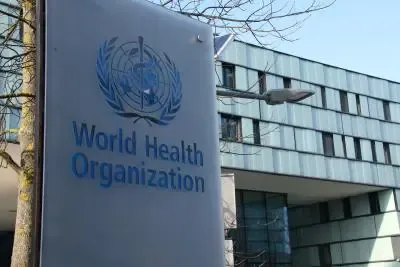
Washington, Jan 23 (NationPress) The United States has officially announced its exit from the World Health Organization, marking the end of its membership in this vital global health entity. According to the Trump administration, this decision fulfills a commitment made on the president's inaugural day in office.
In a collaborative statement, Secretary of State Marco Rubio and Health and Human Services Secretary Robert F. Kennedy Jr. indicated that the withdrawal was executed via an executive order signed by President Donald Trump. They argued that this step was taken to liberate the United States from what they referred to as the organization's limitations.
“Today, the United States has withdrawn from the World Health Organization (WHO), liberating itself from its constraints, as President Trump pledged on his first day in office by signing E.O. 14155,” the statement revealed. “This decision is a direct response to the WHO’s inadequacies during the COVID-19 pandemic and aims to alleviate the damage caused by those shortcomings to the American populace.”
The statement criticized the WHO for neglecting its fundamental purpose and acting contrary to US interests, despite the fact that the United States was a founding member and the organization’s most significant financial supporter.
The administration asserted that the WHO adopted “a politicized, bureaucratic agenda driven by nations antagonistic to American interests” and failed to guarantee the timely and precise dissemination of information throughout the COVID-19 pandemic.
It was claimed that these failures may have resulted in American fatalities and were subsequently obscured “under the guise of acting ‘in the interest of public health.’”
The administration also condemned the WHO's actions following the US decision to withdraw, stating that the organization refused to return the American flag displayed at its headquarters and claimed it had not sanctioned the US withdrawal.
“From our days as its primary founder, primary financial supporter, and primary advocate until now, our final day, the insults to America persist,” the statement emphasized.
The administration announced that US interaction with the WHO will now be strictly limited to completing the withdrawal process and ensuring the health and safety of Americans. All US funding and staffing for WHO initiatives have come to an end.
The statement reaffirmed that the United States will continue to spearhead global public health initiatives through direct, bilateral collaborations and partnerships with reliable health organizations.
“We will keep collaborating with countries and trusted health institutions to share best practices, bolster preparedness, and safeguard our communities,” the statement reiterated, while denouncing the WHO as a “bloated and inefficient bureaucracy.”
The administration noted that this withdrawal was intended to honor those Americans impacted by the pandemic, including individuals who perished in nursing homes and businesses adversely affected by pandemic-related restrictions.
“Our withdrawal is for them,” the statement concluded.
The United States was a founding member of the WHO in 1948 and has historically been its largest single contributor. This decision represents a significant shift in US involvement with international health organizations and follows prolonged criticism of the WHO's management of the COVID-19 pandemic.
Point of View
It is essential to recognize the gravity of the United States' decision to withdraw from the WHO. This move reflects longstanding frustrations with the organization's handling of the COVID-19 pandemic. While the administration emphasizes the need for accountability, it is crucial to consider the potential impacts on global health cooperation and the fight against future pandemics. The NationPress stands committed to providing comprehensive coverage of this evolving situation.
NationPress
23/01/2026
Frequently Asked Questions
Why did the US withdraw from the WHO?
The US government cited the WHO's failures during the COVID-19 pandemic and claimed that the organization acted against American interests as primary reasons for the withdrawal.
What was the response from the WHO regarding the US withdrawal?
The WHO has claimed that it did not approve of the US withdrawal and refused to return the American flag displayed at its headquarters.
How has this decision impacted US funding for WHO initiatives?
Following the withdrawal, all US funding for and staffing of WHO initiatives has ceased.
What will be the US's approach to global health moving forward?
The US plans to continue leading global public health efforts through direct, bilateral partnerships and cooperation with trusted health institutions.
What historical role has the US played in the WHO?
The United States was a founding member of the WHO in 1948 and has historically been its largest single contributor.