US extends 178 China tariff exclusions to January 9, 2027
Synopsis
The US has rolled over tariff exemptions on 178 Chinese product categories for the third time, buying two more months as Washington pushes Beijing on agricultural and rare-earth commitments. With the new deadline falling on January 9, 2027, the clock is ticking on a broader trade resolution — and another extension looks distinctly possible.
Key Takeaways
The USTR extended exemptions on 178 categories of Chinese goods until January 9, 2027 , preventing their expiry on November 9, 2026 .
The exclusions cover 164 product categories from earlier relief measures and 14 categories of solar-manufacturing equipment.
US Trade Representative Jamieson Greer and Treasury Secretary Scott Bessent held a videoconference with Chinese Vice Premier He Lifeng on November 6 , pressing Beijing on trade commitments.
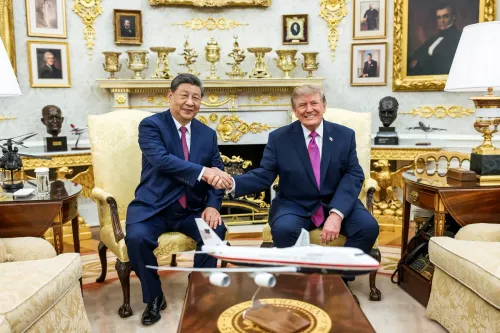
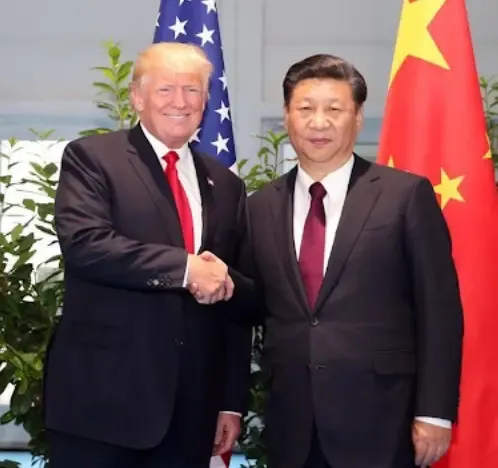
The extension builds on a November 2025 trade understanding between President Trump and President Xi Jinping , under which both sides agreed to maintain respective tariff exclusions.
The USTR left open the possibility of 'further extensions or additional modifications as appropriate.'
The United States has extended exemptions from additional tariffs on 178 categories of Chinese goods until January 9, 2027, as Washington and Beijing continue negotiations over outstanding trade commitments. The Office of the US Trade Representative (USTR) announced the two-month extension in a Federal Register notice published on Tuesday, preventing the exclusions from lapsing after their previous deadline of November 9, 2026.
What the Extension Covers
The exclusions apply to goods entering the United States from November 10, 2026, through 11:59 p.m. Eastern Time on January 9, 2027. They cover 164 product categories carried forward from earlier tariff relief measures and 14 categories involving equipment used in solar manufacturing. The exemptions apply only to products meeting specific customs classifications and descriptions; all other Chinese imports remain subject to applicable tariffs under Section 301 of the Trade Act of 1974.
What the USTR Said
'In light of ongoing discussions with China, the Trade Representative has determined that it is appropriate to further extend all 178 current exclusions until January 10, 2027,' the Federal Register notice stated. The agency added that it 'may continue to consider further extensions or additional modifications as appropriate,' keeping future adjustments firmly on the table. The USTR said it weighed public comments from previous reviews, recommendations from advisory committees, and guidance from the interagency Section 301 Committee before granting the extension.
Diplomatic Backdrop
The announcement came just four days after US Trade Representative Jamieson Greer and Treasury Secretary Scott Bessent held a videoconference on November 6 with Chinese Vice Premier He Lifeng. During that call, Greer reportedly pressed Beijing to fulfil commitments made under earlier trade agreements — particularly those concerning American agricultural exports, rare earth elements, and other critical minerals. The administration said it would continue monitoring compliance while pursuing a more balanced trading relationship benefiting American farmers, manufacturers, and workers.
The November 2025 Trade Understanding
The extension builds on a bilateral trade understanding reached between President Donald Trump and Chinese President Xi Jinping in November 2025. Under that arrangement, Washington agreed to maintain exclusions from certain additional tariffs, while Beijing committed to extending its own exclusions on American goods through December 31, 2026. The deal also addressed Chinese purchases of US agricultural products, restrictions on rare earth exports, and trade measures affecting American semiconductor companies. The USTR subsequently extended the 178 exclusions through November 9, 2026; Tuesday's decision adds a further two months of relief for businesses relying on the exemptions.
Implementation and What Comes Next
US Customs and Border Protection is expected to issue instructions governing customs entries and implementation of the extension. With the new deadline set for early January 2027, the two sides face a narrow window to either resolve outstanding compliance questions or negotiate yet another extension. This is at least the third consecutive rollover of the same exclusion package, underscoring how entrenched the standoff over agricultural and minerals commitments remains.
Point of View
Rare-earth access, semiconductor measures — that were supposed to be settled under the November 2025 understanding. Each two-month extension buys time but also signals that neither side is ready to either escalate or fully resolve. For India, the pattern matters: prolonged US-China tariff uncertainty sustains supply-chain diversification pressure on Beijing and keeps the door open for Indian manufacturers competing in solar, electronics, and critical minerals. The real test will be whether the January 2027 deadline triggers a substantive deal or simply another round of extend-and-review.
NationPress
11 Nov 2026
Frequently Asked Questions
What are the 178 China tariff exclusions the US has extended?
They are exemptions from additional US tariffs — imposed under Section 301 of the Trade Act of 1974 — covering 178 categories of Chinese goods, including 164 product lines carried over from earlier relief measures and 14 solar-manufacturing equipment categories. The exemptions allow American importers to bring in these specified products without paying the extra duties, and have now been extended until January 9, 2027.
Why has the US extended these tariff exemptions again?
The USTR cited 'ongoing discussions with China' as the basis for the extension, aiming to give trade negotiations more time to progress. The move also follows a November 6 videoconference between senior US and Chinese trade officials focused on Beijing fulfilling commitments on agricultural exports, rare earths, and critical minerals.
What was the November 2025 Trump-Xi trade understanding?
In November 2025, President Donald Trump and Chinese President Xi Jinping reached a bilateral trade arrangement under which Washington agreed to maintain exclusions from certain additional tariffs, while Beijing committed to extending its own exclusions on American goods through December 31, 2026. The deal also addressed Chinese purchases of US agricultural products, rare-earth export restrictions, and measures affecting American semiconductor companies.
Which Chinese goods are covered by the tariff exclusions?
The exclusions apply to 178 specific product categories defined by customs classifications. They include 164 categories from prior tariff relief rounds and 14 categories related to solar-manufacturing equipment. All other Chinese imports remain subject to applicable Section 301 tariffs.
Could the US extend the tariff exclusions beyond January 9, 2027?
Yes, the USTR explicitly left that option open, stating in its Federal Register notice that 'the Trade Representative may continue to consider further extensions or additional modifications as appropriate.' Given that the same package has already been rolled over multiple times, another extension is widely seen as a possibility if trade talks remain unresolved.