Balochistan 'mineral colonialism': BNM slams Pakistan's PMIF26 investor forum
Synopsis
Just hours before Pakistan hosts a major minerals investment forum in Islamabad, the Baloch National Movement has called it 'mineral colonialism' — urging multinationals, investors, and the UN to withhold participation until Balochistan's people give free and genuine consent. The statement escalates a long-running resource and rights dispute onto the international business stage.
Key Takeaways
The Baloch National Movement (BNM) on 11 November 2026 accused Pakistan of 'mineral colonialism' ahead of the Pakistan Minerals Investment Forum (PMIF26) in Islamabad .
PMIF26 is scheduled for 12–13 November and aims to attract foreign investors and multinationals to Balochistan's mineral sector.
BNM declared any resource agreements made without 'free, genuine, and collective consent' of the Baloch people as 'illegitimate and unacceptable'.
The group urged all international mining companies, investors, and financial institutions to refrain from investing in Balochistan .
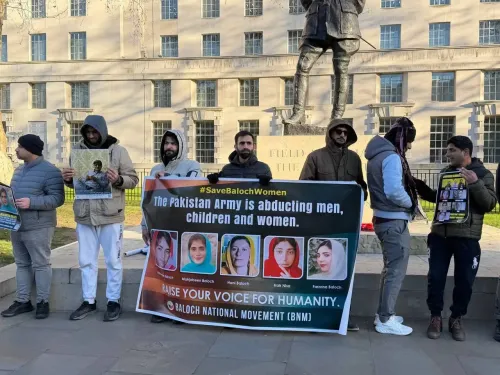
BNM cited alleged enforced disappearances, extrajudicial killings, and fabricated cases as part of a systematic suppression of Baloch political and economic rights.
The United Nations and international financial institutions were called upon to make Baloch consent a precondition for any resource project in the region.
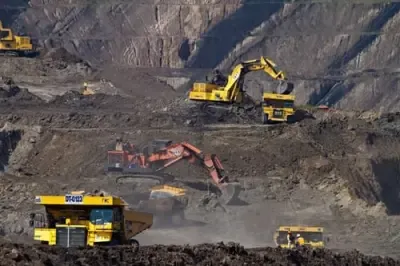
The Baloch National Movement (BNM) on Wednesday, 11 November 2026, levelled sharp accusations against Pakistan, alleging that the upcoming Pakistan Minerals Investment Forum (PMIF26) — scheduled in Islamabad on 12–13 November — amounts to what the group terms 'mineral colonialism', designed to open Balochistan's natural resources to foreign investors and multinational corporations while bypassing the consent of the province's indigenous population.
What BNM Alleges
According to the BNM, the PMIF26 — framed under banners of investment and development — is, in its view, a mechanism to institutionalise the economic dispossession of the Baloch people. The group argues that the forum seeks to convert resource extraction into an international enterprise, deepening what it describes as 'poverty, deprivation, and economic subjugation' in the region.
'We describe this as mineral colonialism, a system in which external powers reap the benefits of a region's natural wealth while its indigenous population is subjected to exploitation and marginalisation,' the BNM stated in its formal position.
Consent as a Non-Negotiable Condition
The BNM stated that no foreign investment, mining project, or extraction of natural resources in Balochistan could be considered acceptable without 'the free, genuine, and collective consent' of the province's people. It warned that any agreements concluded without that consent would remain 'illegitimate and unacceptable', and risked escalating violence in an already conflict-affected region.
Notably, the group directly addressed the international business community, urging 'all international mining companies, investors, and financial institutions to refrain from investing in Balochistan,' describing the province as 'an occupied territory and a region experiencing an ongoing conflict.'
Human Rights Concerns Cited
Beyond economics, the BNM pointed to what it characterised as a systematic campaign of repression in Balochistan, citing alleged enforced disappearances, extrajudicial killings, unlawful arrests of political activists, fabricated criminal cases, and efforts to silence political voices. The group argued these measures are part of a broader strategy to suppress both political dissent and resource-related rights claims.
'The continued sacrifices of Baloch men, women, and youth are a testament to the enormous human cost of this struggle,' the BNM stated, adding that claims of development and prosperity in the region that ignore these realities are 'nothing more than an illusion.'
Call to International Bodies
The BNM formally called on the United Nations, international financial institutions, and the wider international community to make 'the free consent of the Baloch people a fundamental condition' for any project involving the region's natural resources. It urged these bodies to take cognisance of ongoing human rights violations.
'Any project imposed against the will of the Baloch nation will only perpetuate exploitation, resistance, and further instability,' the group warned, as the PMIF26 forum prepares to open in Islamabad on 12 November.
Point of View
Not just domestic sympathy. The 'mineral colonialism' framing is a deliberate rhetorical escalation, importing the language of global indigenous-rights discourse into a separatist conflict Pakistan has long sought to contain as an internal law-and-order matter. What mainstream coverage often misses is the structural dimension: Balochistan holds a disproportionate share of Pakistan's mineral wealth, yet consistently ranks at or near the bottom of provincial human development indices — a contradiction that lends the BNM's framing factual weight beyond its political intent. The forum's success now depends partly on whether foreign investors, increasingly sensitive to ESG and conflict-zone risk assessments, treat these allegations as a reputational liability.
NationPress
11 Nov 2026
Frequently Asked Questions
What is the Pakistan Minerals Investment Forum (PMIF26)?
PMIF26 is a minerals investment forum organised by Pakistan, scheduled to be held in Islamabad on 12–13 November 2026. It aims to attract foreign investors and multinational corporations to invest in Pakistan's mineral sector, with Balochistan's resources being a central focus given the province's vast mineral wealth.
What does the BNM mean by 'mineral colonialism'?
The Baloch National Movement uses the term 'mineral colonialism' to describe what it sees as a system in which external powers and the Pakistani state extract the natural wealth of Balochistan while the indigenous Baloch population receives no meaningful benefit and faces economic marginalisation. The group argues this mirrors classical colonial resource exploitation.
Why is the BNM asking foreign companies to stay out of Balochistan?
The BNM argues that Balochistan is 'an occupied territory experiencing an ongoing conflict', and that foreign investment without the free consent of the Baloch people makes companies complicit in exploitation. It also cites alleged enforced disappearances, extrajudicial killings, and political repression as reasons why the investment environment lacks legitimacy.
What action is the BNM demanding from the United Nations?
The BNM has called on the UN, international financial institutions, and the broader international community to make the free and genuine consent of the Baloch people a mandatory precondition for any resource project in Balochistan, and to formally take note of alleged human rights violations in the region.
How does this statement affect the PMIF26 forum?
The BNM's statement — issued just ahead of the 12 November opening — is intended to put reputational pressure on potential investors and signal to multinational companies that resource agreements in Balochistan could face legal, ethical, and security challenges. Whether it deters participation at the forum remains to be seen.