US Fed holds rates at 3.5–3.75% as Dow crashes 1,153 points
Synopsis
The Fed held rates steady for the second straight meeting under Chairman Kevin Warsh — and markets punished the decision with a 1,153-point Dow plunge. With inflation at 3.5%, a Gulf conflict stoking prices, and November mid-terms looming, the September FOMC meeting could become the most politically loaded rate decision in years.
Key Takeaways
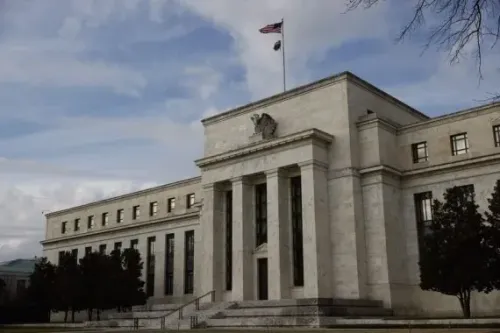
The US Federal Reserve kept its benchmark rate unchanged at 3.5%–3.75% on 30 July .
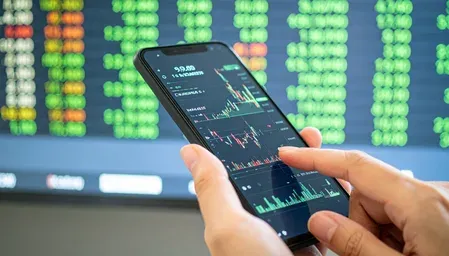
The Dow Jones fell 1,153 points (2.19%) and the NASDAQ dropped 433 points (1.74%) following the decision.
The FOMC voted 9-3 ; dissenters including Neel Kashkari wanted a quarter-point rate hike.
June CPI rose 3.5% year-on-year , keeping the Fed's 2% inflation target out of reach.
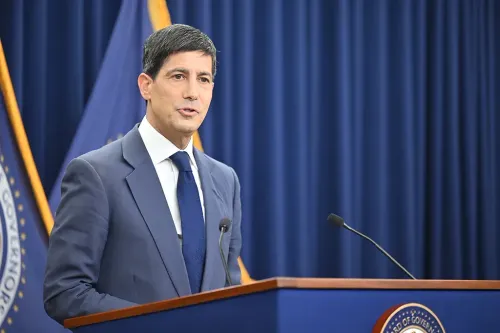
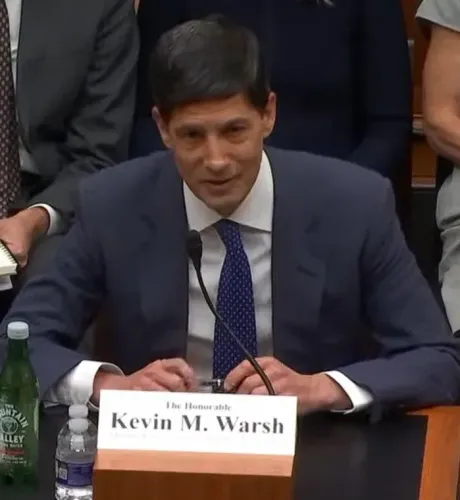
Chairman Kevin Warsh — appointed by President Trump in May — has now held rates steady at both FOMC meetings he has chaired.
The next FOMC meeting in September is the last before the November mid-term elections .
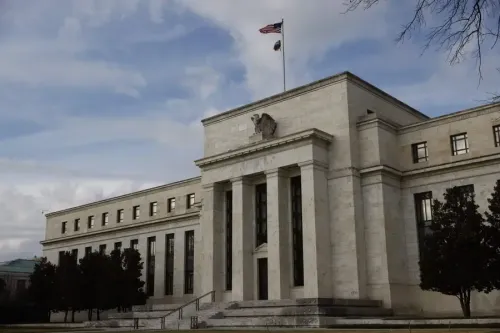
The US Federal Reserve held its benchmark interest rate steady at 3.5% to 3.75% on 30 July, citing persistent inflation pressures — a decision that rattled global markets and deepened the rift between the central bank and President Donald Trump. The Dow Jones Industrial Average plunged 1,153 points, or 2.19%, while the NASDAQ shed 433 points, or 1.74%, in the immediate aftermath.
A Divided Committee
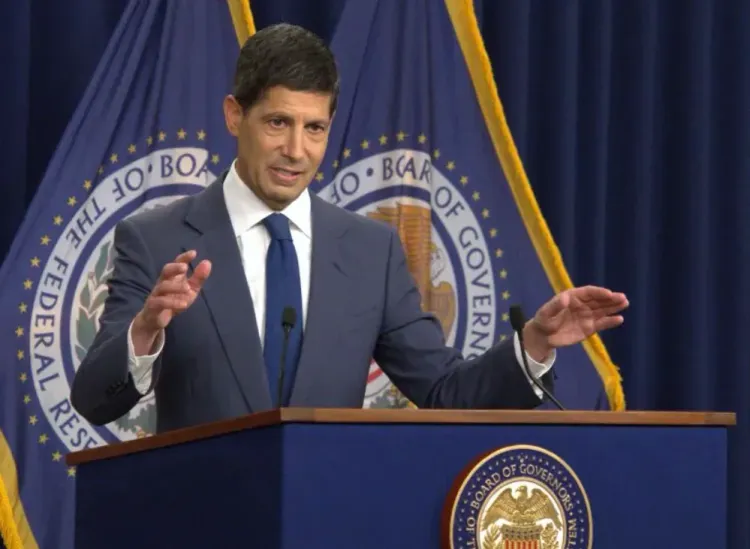
The Federal Open Market Committee (FOMC) voted 9-3 to keep rates unchanged. Three dissenters, including Neel Kashkari of the Minneapolis Federal Reserve, pushed for a quarter-point rate hike — a sign that hawkish sentiment within the committee runs deeper than the headline decision suggests. Fed Chairman Kevin Warsh characterised the internal disagreement as a 'good family fight' over balancing inflation control with economic stability and job growth.
Warsh in the Crossfire
Warsh, handpicked by Trump to lead the Fed after the president's protracted feud with predecessor Jerome Powell over rate cuts, now finds himself in a similar bind. With the June Consumer Price Index (CPI) registering a 3.5% year-on-year rise — well above the Fed's 2% target — Warsh has limited room to lower rates without risking further price instability. Analysts note that ongoing Gulf conflict, which escalated further on Wednesday and spread to Iraq, has been a contributing factor to inflationary pressures in the US economy.
Trump Defends Warsh, Blames the Board
Speaking to reporters at the White House, Trump defended his Fed pick, saying Warsh was doing a 'fantastic job' while redirecting blame toward the FOMC. 'I know he'd love to see lower interest rates, but he's got a board, and it's a political board, and they want to keep rates up,' Trump said. This marks the second consecutive FOMC meeting under Warsh — who assumed the chairmanship in May — at which rates have been held steady.
What Warsh Said
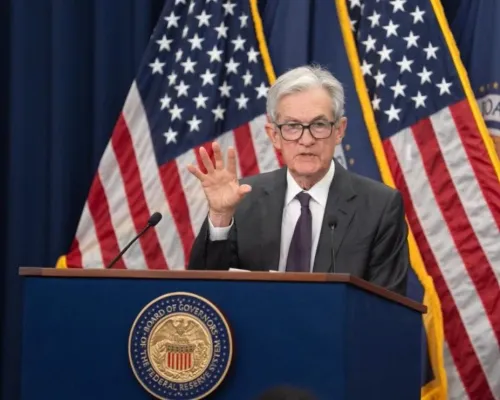
After the meeting, Warsh reaffirmed the Fed's commitment to bringing inflation down to 2%, a goal that constrains his ability to cut rates in the near term. He pushed back against the idea that price stability and employment are mutually exclusive goals. 'I do not believe that price stability and full employment is an either-or proposition,' he said, adding that 'where necessary and appropriate, we will not hesitate to act.'
What Comes Next
The next FOMC meeting in September will be the last before the November mid-term elections, making it politically charged regardless of the outcome. With inflation still elevated and geopolitical tensions in the Gulf continuing to inject uncertainty into energy and supply chains, the Fed faces mounting pressure from multiple directions. Markets will be watching every data release between now and September for signals on whether a rate move — in either direction — is coming.
Point of View
Warsh is being hemmed in by the very inflationary dynamics that Trump's own Gulf war policy helped create. The 9-3 FOMC split is the real story — three members wanted to hike, not cut, which signals that the committee's internal centre of gravity may be moving hawkish even as the White House pulls dovish. With September's meeting arriving days before mid-term campaigning peaks, the pressure on Warsh to act — or conspicuously not act — will be immense. Markets are pricing in a Fed that is reactive rather than ahead of the curve, and that perception itself becomes a risk.
NationPress
30 Jul 2026
Frequently Asked Questions
Why did the US Federal Reserve keep interest rates unchanged?
The Fed held its benchmark rate at 3.5%–3.75% on 30 July because inflation remains elevated, with the June CPI rising 3.5% year-on-year against the Fed's 2% target. Cutting rates in this environment risks accelerating price pressures further.
How did markets react to the Fed's rate decision?
Markets sold off sharply, with the Dow Jones Industrial Average falling 1,153 points (2.19%) and the NASDAQ dropping 433 points (1.74%). Investors had been hoping for a signal toward rate cuts, and the hold — combined with internal dissent toward a hike — disappointed risk appetite.
Who is Kevin Warsh and why does the Fed decision matter politically?
Kevin Warsh is the Fed Chairman appointed by President Donald Trump in May, after Trump's public feud with predecessor Jerome Powell over rate cuts. Warsh's decision to hold rates — rather than cut them — has put him at odds with Trump's economic preferences, even as Trump publicly defended him.
What was the FOMC vote, and who dissented?
The FOMC voted 9-3 to hold rates steady. The three dissenters, including Neel Kashkari of the Minneapolis Federal Reserve, argued for a quarter-point rate hike rather than a cut, reflecting hawkish concern about persistent inflation.
When is the next Federal Reserve meeting?
The next FOMC meeting is scheduled for September, and it will be the last rate-setting meeting before the November mid-term elections — making it one of the most politically sensitive Fed decisions in recent memory.