US backs Australia as China-linked transnational repression targets diaspora
Synopsis
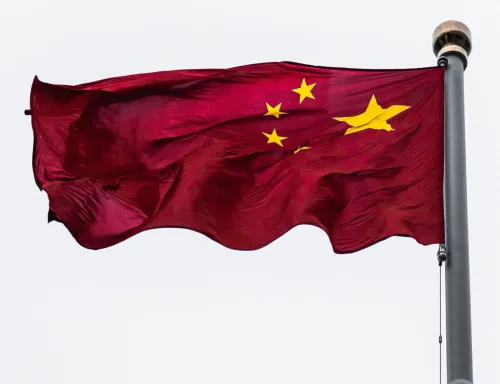
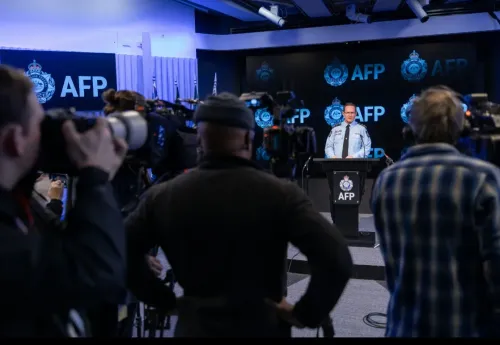
The US Embassy in Australia has publicly named China-linked transnational repression as a 'deeply concerning' threat, standing alongside Canberra as AFP Commander Matthew Gala revealed how foreign actors exploit diaspora community networks — using family back home as leverage to silence, coerce, and control people living in Australia. The rare on-record detail from law enforcement marks a notable escalation in how both allies are willing to confront this threat openly.
Key Takeaways
The US Embassy in Australia posted a statement on X on 21 October 2026 citing China-linked transnational repression targeting people in Australia as 'deeply concerning.' AFP Commander Matthew Gala publicly confirmed that transnational repression is actively taking place on Australian soil , with most victims unaware.
Coercion tactics begin under the guise of community influence and escalate to threats, harassment, and weaponisation of family ties in the home country.
Foreign actors reportedly exploit trusted diaspora community networks to apply pressure covertly.
Australian security leaders and court records have connected foreign interference activity to multiple nations , with China named directly in the US Embassy statement.
Australia enacted foreign interference legislation in 2018 ; the current public statements signal a more assertive enforcement posture.
The US Embassy in Australia has formally voiced concern over reports of China-linked transnational repression targeting people living in Australia, expressing strong solidarity with Canberra in defending individual freedoms, national sovereignty, and the right to live free from intimidation. The statement, posted on X on 21 October 2026, reinforces the two nations' security alliance at a moment when Australian law enforcement has publicly acknowledged that foreign-state coercion is actively unfolding on Australian soil.
US Embassy Statement
'Reports of China-linked transnational repression targeting people in Australia are deeply concerning. As Australia's close security partner, the US stands with Australians in defending individual freedoms, national sovereignty, and the right to live free from intimidation – in their own country. These shared values are central to our alliance,' the US Embassy in Australia stated in its post on X.
The statement is notable for its directness — naming China rather than speaking in the diplomatic language of 'foreign actors' — and for its timing, coming within days of senior Australian Federal Police (AFP) officials going on record about the scale of the problem.
How Transnational Repression Works, According to AFP
AFP Commander Matthew Gala offered a rare public account of the tactics employed. He described a coercion cycle that typically begins under the cover of legitimate community engagement before escalating into overt threats.
'It can start off under the guise of influence... You've got people engaging with influential community figures, driving viewpoints which may seem innocent or just seeking to change your views or perspectives,' Commander Gala said.
He added that initial requests are framed as appeals to support a particular perspective or cause, often without explanation. 'And, when people say they don't feel comfortable with what is being asked, the mask slips and the threats or harassment may start,' Gala said.
Critically, the coercion is designed to weaponise victims' emotional ties to family members still living in their country of origin — using that vulnerability to control their political and social actions in Australia. 'Those behaviours are designed to silence, coerce and control people in Australia... When people use threats of violence or menacing ways or covert, deceptive ways to change people's thinking – that can be a foreign power at play,' said Gala.
Community Networks Exploited
Commander Gala warned that foreign actors specifically target established diaspora community networks — trusted spaces that victims are least likely to perceive as compromised. 'People come from diverse backgrounds and may maintain close community networks. Foreign actors can seek to exploit these trusted relationships and apply pressure, threats and coercion. This is when transnational repression comes into play, and communities may not even realise it's happening,' he said.
According to reports, the majority of people subjected to such tactics are unaware they are targets of a state-sponsored operation rather than ordinary social pressure. Australian security leaders and the AFP have publicly stated that several nations are conducting foreign interference activity in Australia, with public statements, security analyses, and court records connecting such activity to multiple countries.
Broader Context and What Comes Next
This is not the first time Australia and its allies have raised alarms about China-linked foreign interference. Canberra enacted sweeping foreign interference legislation in 2018, and has since prosecuted several cases under those laws. The current wave of public statements from the AFP and the allied endorsement from Washington signals a more assertive posture — one in which law enforcement is willing to name the threat publicly rather than handle it quietly.
Analysts note that US backing adds diplomatic weight to Australia's domestic enforcement efforts and could pressure Beijing diplomatically ahead of any bilateral engagements. How Canberra formally responds — whether through further legislative action, expulsions, or diplomatic protest — is expected to shape the next phase of Australia-China relations.
Point of View
One calibrated to add allied weight to Australia's domestic enforcement posture. What is striking is the AFP's willingness to describe the mechanics of coercion publicly: it suggests Canberra has concluded that awareness is now a more effective deterrent than quiet prosecution. The harder question mainstream coverage skips is accountability — how many cases have been prosecuted under Australia's 2018 foreign interference laws, and have sentences been sufficient to deter state-sponsored actors who can simply rotate operatives? Public naming without credible legal consequence risks becoming performative.
NationPress
21 Oct 2026
Frequently Asked Questions
What is transnational repression and why is it in the news in Australia?
Transnational repression refers to efforts by foreign governments to intimidate, harass, or silence their nationals living abroad. It is in the news because AFP Commander Matthew Gala publicly confirmed it is actively occurring on Australian soil, and the US Embassy named China-linked repression as 'deeply concerning' in a post on X on 21 October 2026.
What did the US Embassy in Australia say about China-linked repression?
The US Embassy stated that 'reports of China-linked transnational repression targeting people in Australia are deeply concerning' and affirmed US solidarity with Australians in defending individual freedoms, national sovereignty, and the right to live free from intimidation. The statement was posted on the embassy's X account.
How do foreign actors carry out transnational repression according to AFP?
According to AFP Commander Matthew Gala, the process typically begins with subtle influence operations targeting community figures, then escalates to direct pressure, threats, and harassment when targets resist. Crucially, perpetrators weaponise victims' love for family still living in their home country to control their political and social actions in Australia.
Who is most at risk from transnational repression in Australia?
Diaspora communities with close-knit networks are particularly vulnerable, as foreign actors exploit trusted community relationships to apply covert pressure. Commander Gala noted that most people subjected to these tactics are unaware they are targets of a state-sponsored operation.
What action has Australia taken against foreign interference?
Australia enacted comprehensive foreign interference legislation in 2018, and the AFP has charged individuals under those laws. Public statements from security leaders and court records have connected foreign interference activity to several nations. The current public disclosures signal a more assertive phase of enforcement and awareness-raising.