Is the US Celebrating a New Trade Deal with India?
Synopsis
The recent trade deal between the U.S. and India marks a significant shift in energy sourcing and investment. With Prime Minister Modi’s commitment to stop buying Russian oil and invest $500 billion in key American sectors, this agreement promises to reshape economic ties and benefit American consumers.
Key Takeaways
U.S. and India have signed a significant trade agreement.
India will cease purchasing Russian oil .
Prime Minister Modi has pledged $500 billion in investments.
The agreement aims to benefit the U.S. economy significantly.
Tariffs will remain but will be reduced on various goods.
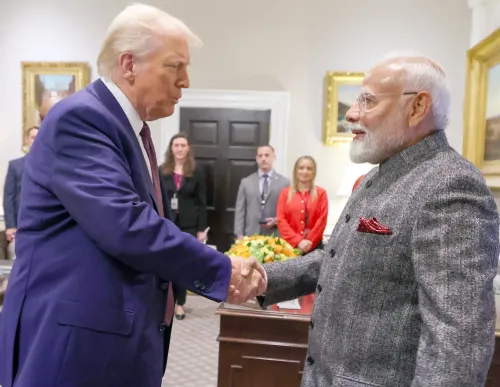
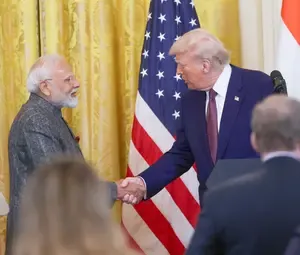
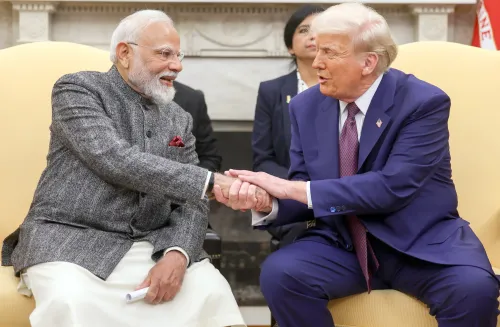
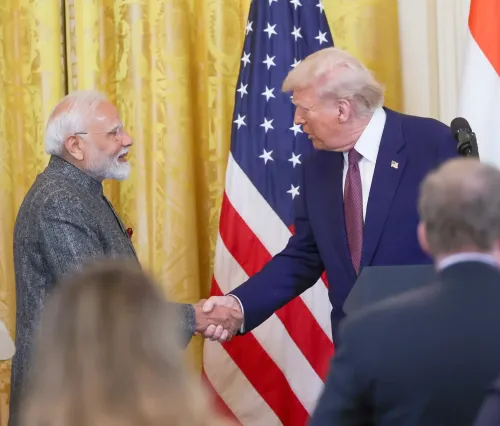
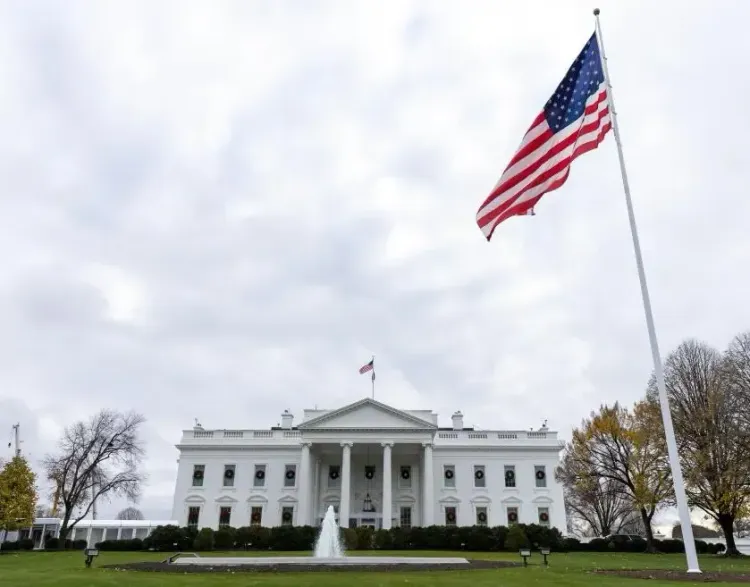
On February 4, Washington (NationPress) celebrated a transformative trade agreement with India. The White House announced that Prime Minister Narendra Modi has pledged to cease the purchase of Russian oil, shift energy sourcing to the United States, and commit to a remarkable $500 billion investment across crucial American industries.
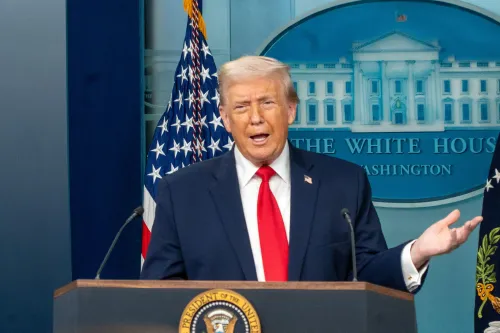
Karoline Leavitt, White House Press Secretary, stated that the deal, revealed by President Donald Trump, is expected to yield direct benefits for the U.S. economy and its consumers.
“India has committed to not only ending its purchases of Russian oil but also to sourcing oil from the United States and potentially from Venezuela, which will directly benefit the U.S. and its people,” Leavitt informed the press at the White House.
She emphasized that Prime Minister Modi also pledged significant investments in the U.S. economy. “PM Modi has committed to a staggering $500 billion investment in the United States, which encompasses energy, transportation, and agricultural sectors,” she explained.
Leavitt characterized the agreement as a major success for the Trump administration. “As observed yesterday, President Trump has secured another significant trade agreement with India,” she noted, highlighting the administration's commitment to achieving concrete economic advantages from key global partners.
Jamieson Greer, U.S. Trade Representative, shared insights with CNBC, indicating that the agreement would keep some tariff measures while expanding market access for American exports in various sectors. “We will maintain some tariff levels against India,” Greer confirmed, as per a statement from Rapid Response 47.
Simultaneously, he mentioned that India had agreed to ease trade restrictions for American exporters. “They have consented to lower their tariffs on a range of agricultural products, manufactured goods, chemicals, and medical devices,” Greer added.
Greer described the agreement as “a thrilling opportunity,” noting that it strikes a balance between enhancing market access and ensuring domestic protections. “While we will continue some level of tariffs against India, they have also committed to reducing tariffs on various agricultural and manufactured goods,” he said.
Furthermore, Greer clarified that India will maintain protections for sensitive agricultural sectors. “India, like every nation, including the United States, has protections in critical agricultural areas and will retain control over those,” he noted.
The administration positions this deal as part of President Trump’s overarching trade strategy aimed at reducing deficits, safeguarding U.S. workers, and securing new export markets for American producers.
Point of View
It is imperative to view the new trade agreement between the U.S. and India as a pivotal moment in international relations. The commitment from Prime Minister Modi reflects a strategic shift that could enhance economic stability for both nations, fostering a mutually beneficial relationship.
NationPress
27 Sept 2026
Frequently Asked Questions
What is the main benefit of the U.S.-India trade deal?
The trade deal aims to enhance economic ties by ceasing purchases of Russian oil and committing to significant investments, benefiting both economies.
How much is India investing in the United States?
India has pledged a remarkable $500 billion investment across key American sectors.
What sectors will benefit from this investment?
The investment will span various sectors, including energy, transportation, and agriculture.
How will this deal impact American consumers?
The agreement is expected to yield direct benefits for the U.S. economy and consumers by enhancing market access and reducing tariffs.
Will tariffs remain in place after the agreement?
Yes, some level of tariffs against India will remain, although India has agreed to reduce its tariffs on several American products.