What Gains Does the US–India Trade Deal Bring?
Synopsis
The recent US–India trade deal has sparked excitement among US officials, with Agriculture Secretary Brooke Rollins and Energy Secretary Doug Burgum emphasizing its potential benefits for various sectors. This agreement marks a significant step towards strengthening trade relations and economic ties between the two nations, paving the way for deeper cooperation.
Key Takeaways
US–India trade deal boosts agricultural exports.
Deal reduces agricultural trade deficit.
Focus on energy diplomacy strengthens ties.
Trust rebuilding is essential for future relations.
Continued cooperation across sectors is anticipated.
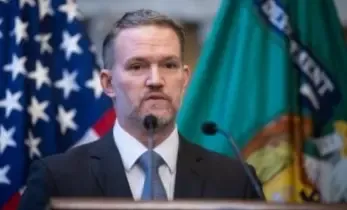
Washington, Feb 3 (NationPress) US Agriculture Secretary Brooke Rollins and Energy Secretary Doug Burgum expressed their support for the US–India trade agreement, highlighting its advantages for farmers, energy producers, and the overall US economy.
Rollins emphasized that this agreement would enhance US agricultural exports to India's vast and expanding market. She stated, “The new US-India deal will lead to increased exports of American farm products to India, raising prices and injecting funds into rural America.”
She pointed out that the US agricultural trade deficit with India was $1.3 billion in 2024. Rollins mentioned that India's increasing population makes it a significant market for US agricultural products and that this deal would significantly contribute to reducing the deficit. She termed the outcome an “America First victory.”
Burgum highlighted the importance of energy ties and investments, declaring, “Dealmaker in Chief!” He praised President Donald Trump for facilitating increased US energy purchases. Burgum noted that the agreement is a demonstration of energy diplomacy in action, which will not only fortify international relations but also bolster the US economy.
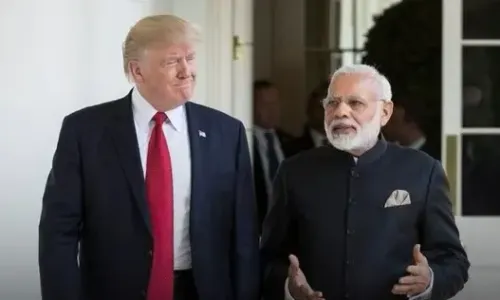
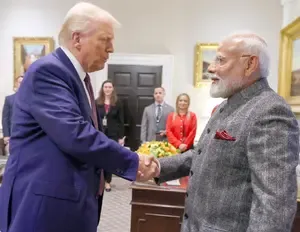
Previously, Trump indicated that a call with Prime Minister Narendra Modi initiated the deal, which reduced US tariffs on Indian goods to 18 percent and relaxed Indian trade barriers on US products.
Trump also mentioned that India would cease purchasing Russian oil and increase its acquisition of US energy, technology, and agricultural goods. He asserted that the agreement would strengthen bilateral ties and support efforts to resolve the war in Ukraine.
Former US diplomat Evan Feigenbaum advised a cautious approach to this announcement. He remarked that the earlier situation regarding US–India trade relations was unsustainable and reaching an agreement was vital.
Feigenbaum stated that while the 18 percent tariff is an improvement over previous levels, there is a possibility that tariffs could be reinstated as leverage on other matters. He also raised concerns about whether India could realistically purchase $500 billion worth of US goods in the near future, suggesting that such figures should be interpreted cautiously.
He opined that the deal places the relationship in a better position than it was months ago; however, he cautioned that trust lost during the recent standoff would take time to restore.
This agreement comes after several months of tense relations over tariffs and energy policy. Officials from both nations assert that the deal aims to reset relations and pave the way for deeper collaboration in trade, energy, and strategic sectors.
Point of View
It is crucial to recognize the significance of the recent US–India trade deal. This agreement symbolizes a potential turning point in international relations and economic collaboration, showcasing the importance of strategic partnerships in an increasingly interconnected world. However, it is essential to approach the optimistic projections with caution, ensuring that the builds on trust and mutual benefits.
NationPress
19 Sept 2026
Frequently Asked Questions
What are the key benefits of the US–India trade deal?
The trade deal is expected to enhance US agricultural exports to India, reduce the agricultural trade deficit, and strengthen energy ties between the two nations.
How will this agreement impact US farmers?
By expanding access to India's market, US farmers are likely to see increased demand for their products, leading to higher prices and greater revenue.
What role did President Trump play in this deal?
President Trump facilitated the agreement through diplomatic talks with Prime Minister Modi, resulting in reduced tariffs and improved trade relations.
Are there concerns regarding the trade deal?
Yes, some experts caution that while the reduced tariffs are positive, they could be reinstated as leverage in future negotiations.
What does the future hold for US–India trade relations?
The deal is seen as a step towards deeper cooperation and potentially improving trust between the two nations, although rebuilding lost trust may take time.