US midterm elections 2026: How a Democratic win could move markets and India
Synopsis
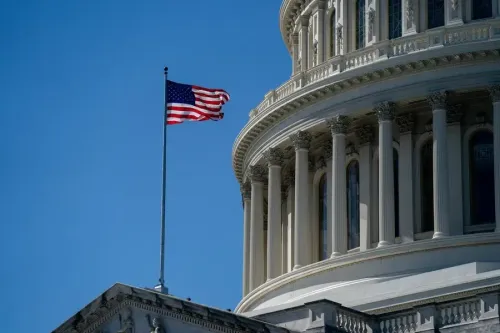
The US midterm elections are already moving markets — the dollar and Treasury yields fell as investors priced in a Democratic sweep. For India, the stakes are geopolitical: softer crude, a weaker dollar, and rupee relief hang in the balance, even as the unresolved US-India trade deal and Trump's executive powers cap the upside.
Key Takeaways
The US dollar index and Treasury yields fell sharply on 4 November 2026 as markets priced in a Democratic sweep in the US midterms.
A Democratic win could ease crude oil prices if pressure mounts on President Trump to de-escalate the Iran conflict .
For India, lower crude prices, a weaker dollar, and softer yields would ease pressure on the rupee and improve foreign investor sentiment.
The US-India trade deal remains unresolved; analysts say the election outcome is unlikely to accelerate a near-term agreement.
Financial, energy, and tech stocks could face near-term pressure from anticipated regulatory scrutiny and potential tax increases.
The scale of any Democratic victory will be watched as an early signal ahead of the 2028 US presidential election .
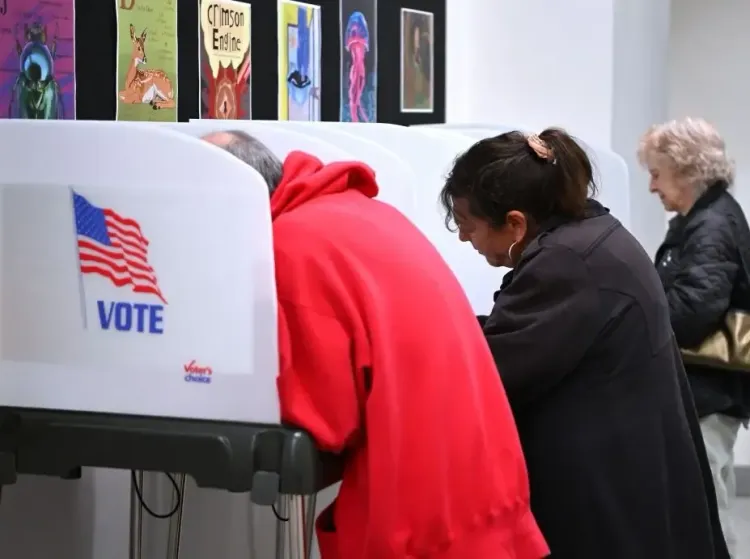
The US dollar index and Treasury yields fell sharply on Wednesday, 4 November 2026 as investors increasingly priced in a Democratic sweep in the US midterm elections, with analysts saying the outcome could ripple across oil prices, tariff policies, major industry regulation, and the broader geopolitical landscape — including India's economic outlook.
What a Democratic Win Could Mean for Global Markets
According to market analysts, a stronger Democratic showing could ease concerns over crude oil prices if political pressure mounts on US President Donald Trump to de-escalate involvement in the Iran conflict. A softer crude environment would, in turn, reduce energy-sector tailwinds and potentially drag down oil company valuations in the near term.
Financial stocks, energy companies, and parts of the technology sector could face near-term pressure amid expectations of greater regulatory scrutiny and the possibility of higher corporate taxes, analysts noted. The energy sector faces additional headwinds if elevated crude prices begin to retreat following a Democratic-controlled Congress.
India's Outlook: Geopolitical More Than Market-Direct
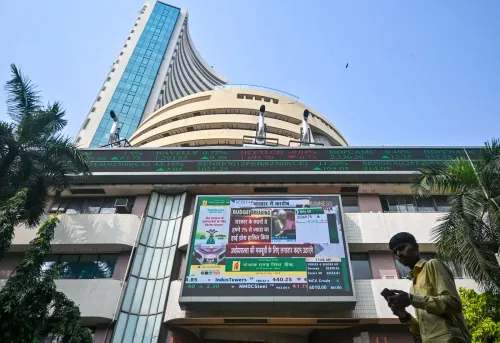
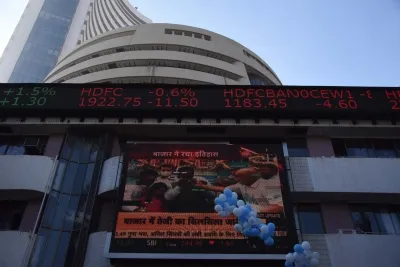
For India, analysts say the implications are more geopolitical than directly market-related. Lower crude prices, a weaker US dollar, and softer Treasury yields would collectively benefit the Indian economy — easing pressure on the rupee, improving foreign investor sentiment, and reducing sovereign borrowing costs.
Notably, uncertainty around US-India trade policy remains a live concern. India's proposed trade agreement with the United States remains unresolved, and analysts said the election outcome is unlikely to materially improve the prospects of a near-term deal. Any positive shift may also be limited by the fact that President Trump retains significant executive authority over foreign policy decisions regardless of Congress composition.
Tariffs, Congress Oversight and the AI Sector
A Democratic-controlled Congress could increase legislative oversight of Trump's tariff policies and challenge their implementation through new legislation. However, analysts do not anticipate a rapid rollback of tariffs, given the president's considerable independent authority over trade measures under existing law.
The AI sector is expected to remain a key investment theme. Analysts at Morgan Stanley expect AI-related spending and data-centre expansion to continue, though a Democratic Congress could mean governments play a larger role in shaping future infrastructure development and regulatory frameworks around artificial intelligence.
The 2028 Signal: Why Scale of Victory Matters
Analysts emphasised that the key variable for global markets is not just the outcome, but the scale of any Democratic victory. A decisive sweep could serve as an early indicator of shifting US political sentiment ahead of the 2028 presidential election — a signal markets will begin pricing long before the campaign formally begins. This comes amid already elevated uncertainty around US trade, geopolitics, and monetary policy, all of which feed directly into emerging-market risk assessments including India's.
Point of View
Which suggests investors are positioning for best-case scenarios rather than base cases. For India, the honest read is cautious: the structural benefit of lower crude and a weaker dollar is real, but the US-India trade deal was already stalled and a Democratic Congress does not change the fundamental calculus. Trump retains executive control over both tariffs and foreign policy, which means the geopolitical upside for New Delhi is narrower than the market mood implies. The more consequential signal may be what the scale of a Democratic win says about 2028 — and whether US trade policy is heading toward a durable reset or simply a mid-cycle wobble.
NationPress
4 Nov 2026
Frequently Asked Questions
How could the 2026 US midterm elections affect India?
A Democratic win in the US midterms could benefit India indirectly through lower crude oil prices, a weaker US dollar, and softer Treasury yields — all of which ease pressure on the rupee and improve foreign investor sentiment. However, analysts caution that the impact on India is more geopolitical than directly market-related, and the unresolved US-India trade deal is unlikely to advance quickly regardless of the outcome.
Why did the US dollar and Treasury yields fall ahead of the midterm results?
Investors moved to price in a Democratic sweep, anticipating potential policy shifts including softer trade stances and reduced geopolitical aggression. A Democratic-leaning outcome is seen as likely to ease some of the upward pressure on the dollar and yields that has built up under the current administration's policies.
Will a Democratic Congress roll back Trump's tariffs?
Analysts do not expect a rapid rollback of tariffs even if Democrats control Congress. While a Democratic-controlled legislature could increase oversight and challenge tariff implementation through legislation, President Trump retains considerable executive authority over trade measures, limiting what Congress can reverse quickly.
Which sectors could be affected by a Democratic midterm win?
Financial stocks, energy companies, and parts of the technology sector could face near-term pressure due to expected regulatory scrutiny and the possibility of higher taxes. The energy sector may also see additional headwinds if elevated crude prices begin to ease. The AI sector is expected to remain a strong investment theme, though with greater government involvement in infrastructure and regulation.
Why does the scale of the Democratic victory matter to markets?
Analysts say the margin of a Democratic win could serve as an early barometer of shifting US political sentiment ahead of the 2028 presidential election. A decisive sweep would signal a broader political realignment, which markets would begin pricing into long-term trade, regulatory, and geopolitical risk assessments for emerging markets including India.