Buxa tigress BT1 returns to West Bengal after 100-km Assam straying
Synopsis
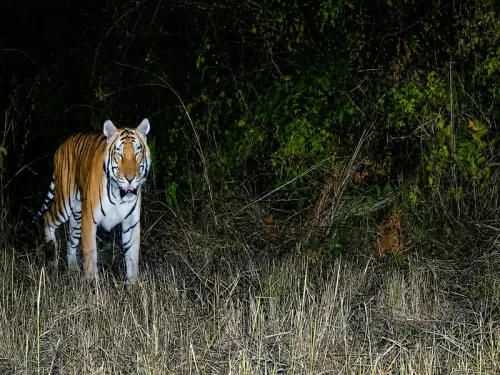
A tigress released into Buxa Tiger Reserve just weeks ago travelled over 100 km across state lines into Assam before being captured near human settlements in Kokrajhar. Her safe overnight return — the result of a rare cross-border forest operation — spotlights both the promise and the peril of tiger reintroduction in India's fragmented Northeast corridors.
Key Takeaways
Tigress BT1 was released into Buxa Tiger Reserve , West Bengal, on 2 October after being brought from Bihar .
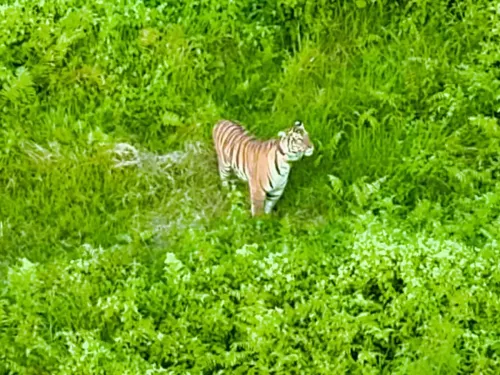
She strayed more than 100 km across the West Bengal-Assam border, reaching Raimona National Park in the Bodoland Territorial Region .
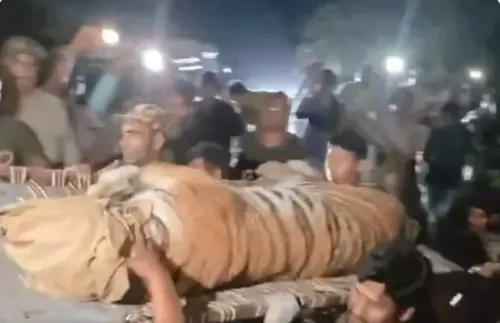
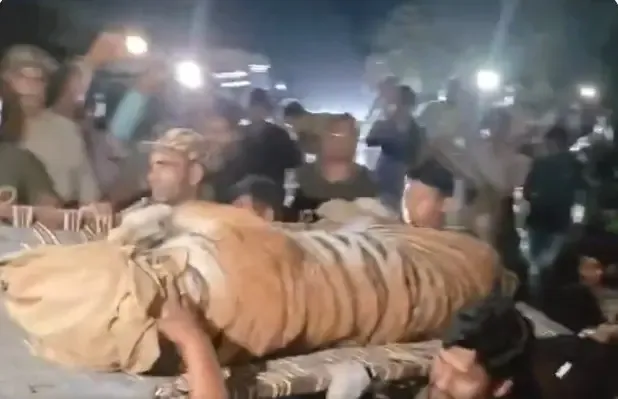
BT1 was captured in Kokrajhar district, Assam on Tuesday, 4 November and returned to Buxa overnight.
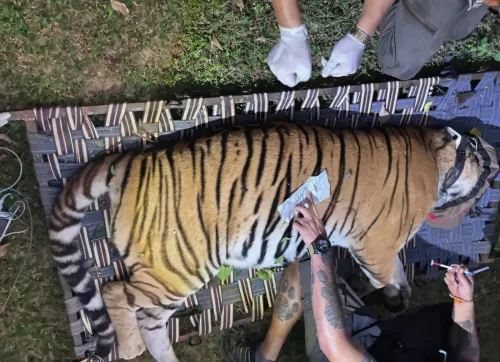
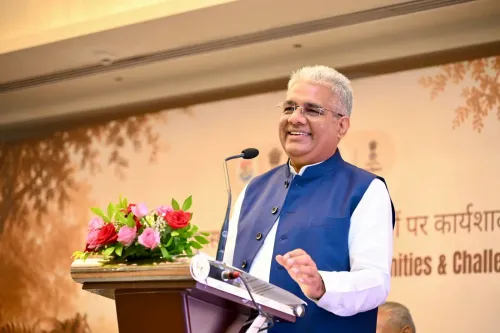
West Bengal Forest Minister Manoj Oraon confirmed she is in good health and will remain under observation.
The operation involved coordinated teams from West Bengal and Assam forest departments — a model cross-border wildlife rescue.
Officials will assess release-site and corridor protocols before deciding on BT1's further movement within the reserve.
A tigress from West Bengal's Buxa Tiger Reserve, identified as BT1, was safely brought back to the reserve in the early hours of Wednesday, 5 November 2026, after straying more than 100 km into Assam — a cross-border wildlife recovery that required weeks of coordinated tracking by forest departments of both states.
How BT1 Strayed and Where She Was Found
BT1 was originally brought from Bihar and released into the wild at Buxa Tiger Reserve on 2 October. Within weeks, she had moved through dense forested corridors and crossed the West Bengal-Assam border, eventually reaching Raimona National Park in the Bodoland Territorial Region (BTR). From 23 October onwards, she continued traversing forested landscapes before approaching human settlements in Kokrajhar district — raising concerns for both animal safety and local communities.
The Capture Operation
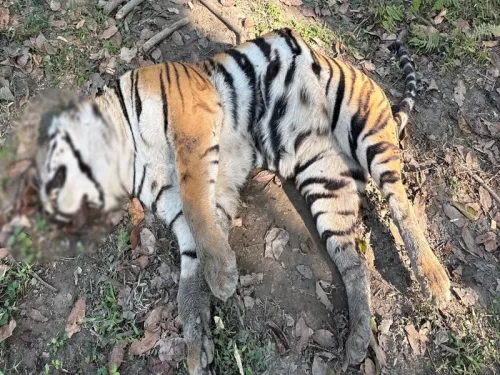
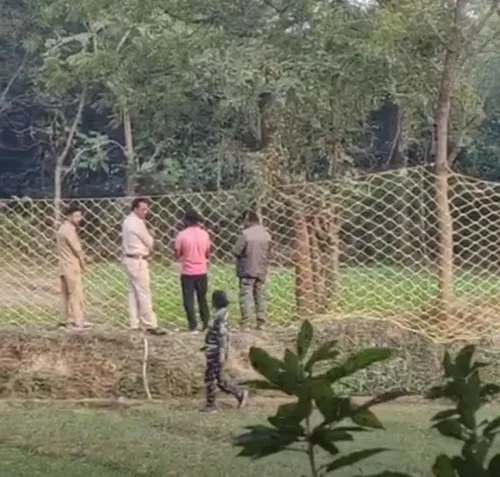
Teams from West Bengal and Assam forest departments launched a joint operation to track BT1's movements, prevent human-wildlife conflict, and secure a safe capture. The operation culminated on Tuesday when the tigress was successfully caught in Kokrajhar district. She was then transported overnight — on the intervening night of Tuesday and Wednesday — back to Buxa Tiger Reserve in northern West Bengal.
What Forest Officials and the Minister Said
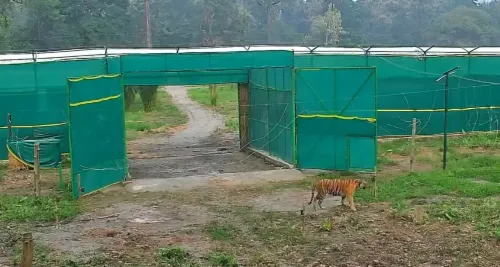
West Bengal Forest Minister Manoj Oraon confirmed that BT1 was in good health upon return. 'She is absolutely healthy. However, she will be kept under observation for some more days,' he said. Oraon added that after being released into an enclosure at the reserve, the tigress moved toward a nearby waterbody — a behaviour that reassured both forest workers and veterinary doctors. 'She was also given her favourite food. She seemed very smart. She constantly tried to escape from being recaptured. However, finally, it was possible to recapture her,' the minister noted.
Significance for Tiger Conservation
BT1's return is being seen as a significant success for inter-state wildlife coordination in India's Northeast. Buxa Tiger Reserve has historically struggled with low tiger density, and BT1's relocation from Bihar was part of efforts to bolster the resident population. Her wide-ranging movement — over 100 km across state lines within a month of release — also highlights the challenges of corridor connectivity and the risk of tigers approaching human settlements as forest patches narrow. Notably, the successful capture without injury to the animal or any local resident is being described as a model for future cross-border rescue operations.
What Happens Next
Forest officials will continue to monitor BT1's health and behaviour during a mandatory observation period before deciding on her further placement within the reserve. The episode is expected to prompt a review of release-site selection protocols and corridor assessment for future tiger reintroduction efforts at Buxa.
Point of View
But it surfaces an uncomfortable question about Buxa's reintroduction strategy. Releasing a Bihar tigress into a reserve with fragmented corridors — without apparent pre-release corridor mapping robust enough to anticipate a cross-state excursion — raises process concerns. The joint capture was commendably smooth, but the episode underlines that tiger reintroduction success cannot be measured by release alone; it requires real-time corridor management and community-interface protocols that clearly weren't in place for the first month. If Buxa is to become a viable breeding population site, the next release must be preceded by far more rigorous habitat-connectivity assessment.
NationPress
4 Nov 2026
Frequently Asked Questions
Who is tigress BT1 and where did she come from?
BT1 is a tigress originally from Bihar who was relocated and released into Buxa Tiger Reserve in West Bengal on 2 October as part of efforts to strengthen the reserve's tiger population. She is the first tiger to be reintroduced at Buxa under the current conservation programme.
Why did BT1 stray so far from Buxa Tiger Reserve?
BT1 travelled more than 100 km through forested corridors after her release, eventually crossing into Assam and reaching Raimona National Park in the Bodoland Territorial Region. The exact reasons are under study, but wide-ranging dispersal is common in newly released tigers establishing territory in unfamiliar terrain.
How was BT1 captured and returned to West Bengal?
Forest departments of West Bengal and Assam jointly tracked BT1's movements after she approached human settlements in Kokrajhar district, Assam. She was successfully captured on Tuesday, 4 November, and transported overnight back to Buxa Tiger Reserve, arriving in the early hours of Wednesday.
Is BT1 healthy after the ordeal?
Yes. West Bengal Forest Minister Manoj Oraon confirmed she is 'absolutely healthy.' She was placed in an enclosure at Buxa, given food, and moved toward a nearby waterbody — movements that reassured veterinary staff. She will remain under observation before any decision on further placement.
What does this mean for tiger conservation at Buxa Tiger Reserve?
The incident highlights both the potential and the challenges of tiger reintroduction in Northeast India's fragmented forest corridors. Officials are expected to review release-site selection and corridor-assessment protocols to prevent similar situations in future reintroductions at Buxa.