Bihar tigress airlifted to Buxa Tiger Reserve, release set for Oct 2
Synopsis
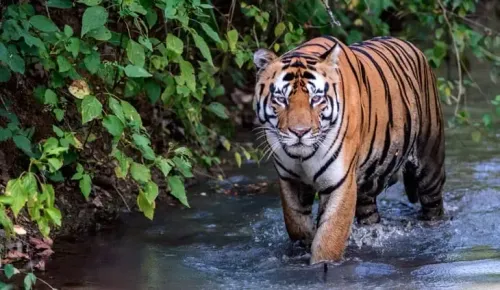
A three-year-old tigress from Bihar's Valmiki Tiger Reserve was airlifted by the Indian Air Force to West Bengal's Buxa Tiger Reserve — a reserve that has been effectively without resident tigers for years. Her formal release on Gandhi Jayanti, 2 October, marks a rare inter-agency conservation milestone and could be a turning point for one of India's most tiger-depleted protected areas.
Key Takeaways
A three-year-old tigress from Valmiki Tiger Reserve, Bihar was airlifted to Hasimara Air Force Station in north Bengal on 30 September .
A team of 70 tiger rescue personnel searched for the animal for over a week before tranquilising her on 29 September .
The tigress was flown from Gorakhpur airport and landed at Hasimara at around 4:45 am , then transported 37 km by road to Buxa Tiger Reserve .
She entered Buxa through the Rajabhatkhawa gate at 6:45 pm and is housed at a facility at 25 Miles before moving to a 2.2-hectare natural enclosure .
Formal release is scheduled for 2 October (Gandhi Jayanti) , with West Bengal CM Suvendu Adhikari and Union Minister Bhupendra Yadav attending.
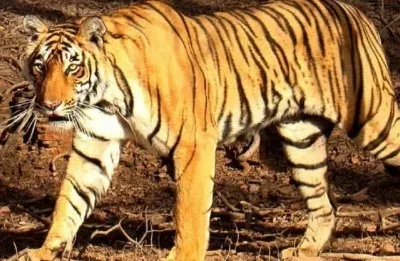
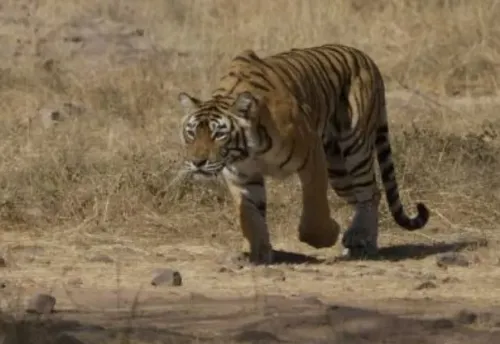
A three-year-old tigress from Bihar's Valmiki Tiger Reserve was airlifted to Hasimara Air Force Station in north Bengal on Wednesday, 30 September, in a landmark effort to restore the dwindling tiger population at Buxa Tiger Reserve in West Bengal. The animal is scheduled to be released into a natural enclosure on 2 October, coinciding with Gandhi Jayanti.
The Capture and Airlift Operation
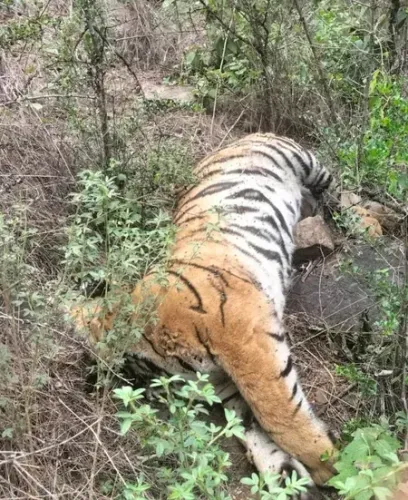
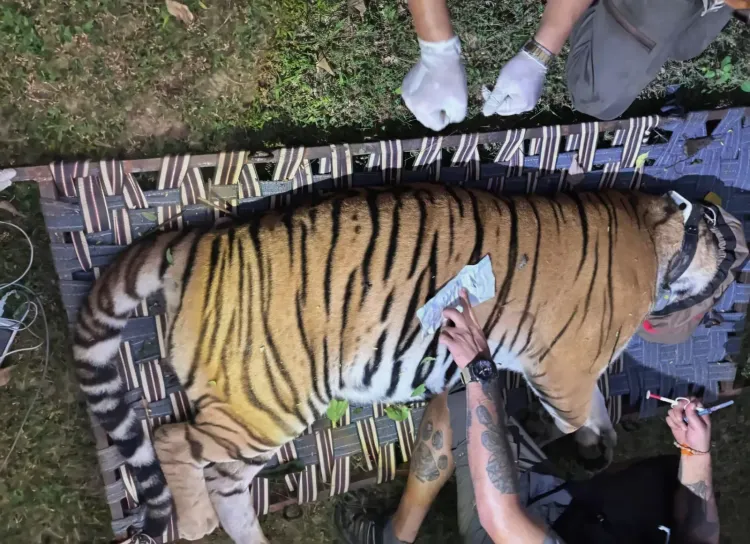
The tigress was located after a week-long search by a team of nearly 70 tiger rescue personnel working through difficult weather conditions in Valmiki Tiger Reserve. She was tranquilised with sleeper darts just before dusk on Tuesday, 29 September, and underwent immediate health checks before the transfer began.
The animal was transported by road approximately 125 km from Valmiki Tiger Reserve in Bihar's Champaran district to Gorakhpur airport, where she was loaded into a specially designed cage with full medical support. An Indian Air Force helicopter then carried her to Hasimara, touching down at around 4:45 am.
Medical Assessment at Hasimara
Upon landing, two wildlife veterinarians and tiger experts conducted a thorough examination of the tigress's physical parameters for more than an hour at Hasimara Air Force Station. The animal was then transported by road to Buxa Tiger Reserve, roughly 37 km away, with additional police personnel deployed along the route to ensure a smooth and secure transfer.
The tigress entered Buxa Tiger Reserve through the Rajabhatkhawa gate at around 6:45 pm and was taken to a special forest department facility at 25 Miles. She will remain there temporarily before being moved to a 2.2-hectare natural enclosure.
The Gandhi Jayanti Release
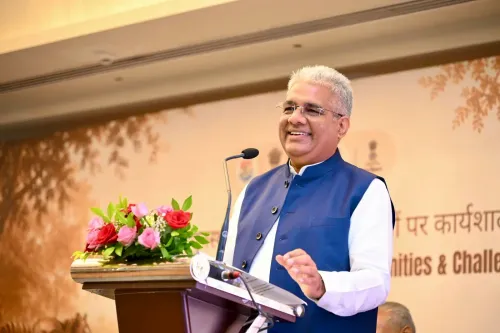
Forest department officials confirmed the tigress will be formally released into the natural enclosure on 2 October. West Bengal Chief Minister Suvendu Adhikari and Union Minister Bhupendra Yadav are both scheduled to attend the release programme, underscoring the political and conservation significance of the event.
Why Buxa Needs This Reintroduction
Buxa Tiger Reserve, once home to a resident tiger population, has seen a dramatic decline in numbers over the decades, with the reserve effectively functioning without confirmed resident tigers for years. This relocation is part of a broader, coordinated reintroduction programme involving forest, wildlife, and defence authorities. The operation required rare inter-agency coordination, with the Indian Air Force playing a direct logistical role alongside state forest departments of both Bihar and West Bengal.
Notably, the choice of Gandhi Jayanti for the release adds symbolic weight to what wildlife conservationists are calling a critical step toward restoring ecological balance in one of India's most historically significant but tiger-depleted reserves. Forest authorities have made arrangements for the tigress's acclimatisation and long-term monitoring following her release into the wild enclosure.
Point of View
But the hard work begins after the cameras leave on Gandhi Jayanti. Releasing a single tigress into a reserve that has lacked a confirmed resident population for years raises legitimate questions about prey density, habitat connectivity, and long-term genetic viability — none of which a single animal can resolve. India's track record on post-release monitoring has been inconsistent, and the symbolic choice of date, while powerful, should not overshadow the need for a publicly disclosed, independently reviewed acclimatisation and monitoring protocol. The political attendance at the release is welcome visibility for wildlife conservation, but accountability must follow the optics.
NationPress
30 Sept 2026
Frequently Asked Questions
Why was the Bihar tigress relocated to Buxa Tiger Reserve?
The tigress was relocated as part of a broader programme to restore the tiger population at Buxa Tiger Reserve in West Bengal, which has been effectively without confirmed resident tigers for years. The reintroduction involved coordination among forest, wildlife, and defence authorities across two states.
How was the tigress transported from Bihar to West Bengal?
The tigress was first transported by road approximately 125 km from Valmiki Tiger Reserve in Champaran district to Gorakhpur airport. An Indian Air Force helicopter then airlifted her to Hasimara Air Force Station in north Bengal, after which she was taken by road to Buxa Tiger Reserve, about 37 km away.
When will the tigress be released into Buxa Tiger Reserve?
The tigress is scheduled to be formally released into a 2.2-hectare natural enclosure on 2 October, coinciding with Gandhi Jayanti. She is being held temporarily at a forest department facility at 25 Miles within the reserve pending the release.
Who will attend the tigress release event at Buxa?
West Bengal Chief Minister Suvendu Adhikari and Union Minister Bhupendra Yadav are both scheduled to attend the release programme on 2 October at Buxa Tiger Reserve.
How long did it take to capture the tigress at Valmiki Tiger Reserve?
A team of nearly 70 tiger rescue personnel searched for the tigress in Valmiki Tiger Reserve for several days under difficult weather conditions before she was finally tranquilised with sleeper darts just before dusk on 29 September.