US secures 35% stake in Venezuela oil deal to counter China, Russia
Synopsis
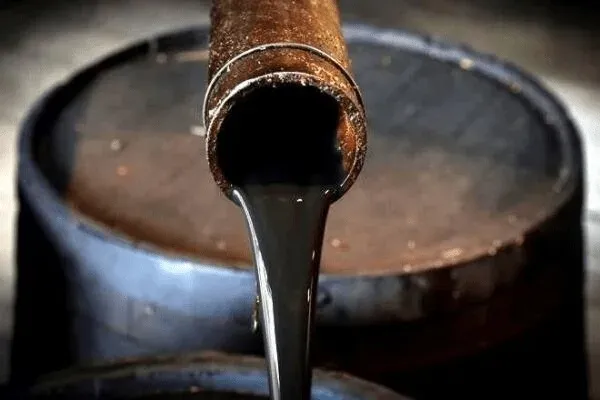
Without spending a single federal dollar, Washington has quietly locked in a 35% equity stake in Venezuelan oilfields holding 65 billion barrels — directly displacing Chinese and Russian energy influence. The deal bundles geopolitical strategy, private capital mobilisation, and a parallel democratic transition push into one of the most consequential US energy moves in Latin America in decades.
Key Takeaways
The United States has secured a 35% equity stake in a Venezuelan oil venture with no federal funds invested.
The deal covers fields with approximately 65 billion barrels of proven reserves.
Washington gains 20% of production at cost and right of first refusal over the remaining 80% .
The agreement is expected to attract at least USD 100 billion in private investment to restore Venezuelan output.
Energy Secretary Wright will lead a delegation to Venezuela ; Chevron is set to announce an operational expansion.
A third round of political talks on democratic transition is expected in September , with no election timetable confirmed.
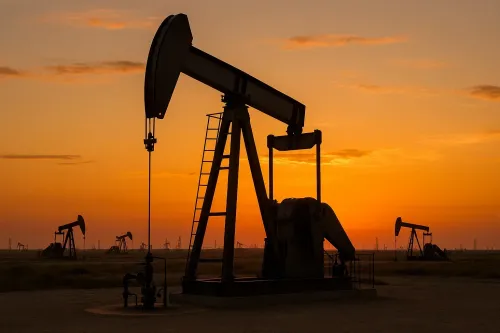
The United States has secured a 35 per cent equity stake in a Venezuelan oil venture without committing federal funds, gaining access to fields holding approximately 65 billion barrels of proven reserves under an agreement designed to curb Chinese and Russian influence in the Western Hemisphere, a senior US official confirmed on 1 September.
Key Terms of the Agreement
Under the deal, Washington secures 20 per cent of production at cost price and retains the right of first refusal over the remaining 80 per cent of output. The equity holding has been structured through the Office of Strategic Capital at the Department of War, with a second official noting the transaction falls within statutory powers granted to the office during the Biden administration.
The agreement also sets a royalty ceiling of up to 30 per cent for Venezuela and a hydrocarbon tax of up to 15 per cent, according to the official.
Washington's Geopolitical Calculus
'It was an opportunity, a geopolitical opportunity to secure fields that primarily had largely been under the influence of Chinese and Russian companies and allow them to instead be aligned with the United States and to our long-term interest,' the senior official said.
The administration views the arrangement as part of a broader strategy to ensure a stable energy supply and draw Caracas away from Moscow and Beijing. Notably, China had extended oil-backed loans to Venezuela while Russia provided both energy investment and political backing to successive governments under Hugo Chavez and Nicolas Maduro. This deal represents Washington's most direct counter-move yet to that entrenched influence.
Private Investment and Production Recovery
The agreement is expected to unlock at least USD 100 billion in private capital, which the administration argues is essential to restoring Venezuela's severely degraded production capacity. US Energy Secretary Wright is expected to lead a delegation to Venezuela, where Chevron will announce an expansion of its existing operations. Several smaller deals have reportedly already been concluded, with more anticipated in the coming weeks.
The official was clear that the US does not plan to routinely exercise its right of first refusal, but described the provision as 'a long-term insurance policy' in the event of an energy emergency. A future administration could also deploy the 20 per cent cost-price supply to replenish strategic reserves or generate federal revenue.
Democratic Transition Runs Parallel
Venezuela holds the world's largest proven crude oil reserves, but decades of underinvestment, corruption, international sanctions, and operational neglect have slashed output far below levels seen before the Chavez era. The state oil company, Petroleos de Venezuela, remains the primary source of government revenue despite its diminished capacity.
Washington has framed the oil recovery and a proposed democratic transition as parallel tracks. A third round of political talks is expected in September, though the official declined to specify an election timetable. 'We want to see it happen as soon as possible. But we also want to make sure the conditions are right because our interest here is not just having an election. It's having an election that leads to an enduring republic,' the official said.
The administration's argument is that rebuilding the oil sector ahead of elections would give any eventual democratic government a functioning revenue base rather than an economy in freefall — a sequencing that critics may contest but which Washington is firmly committed to for now.
Frequently Asked Questions
What is the US-Venezuela oil deal announced on 1 September?
The United States has secured a 35% equity stake in a Venezuelan oil venture covering approximately 65 billion barrels of proven reserves, without committing federal funds. The deal also grants Washington 20% of production at cost and the right of first refusal over the remaining 80% of output.
Why is the US pursuing this deal with Venezuela?
Washington views the agreement as a geopolitical move to counter Chinese and Russian influence in the Western Hemisphere. China had extended oil-backed loans to Venezuela while Russia provided energy investment and political support, giving both countries deep leverage over Caracas that the US is now seeking to offset.
How much private investment could the deal generate?
The administration estimates the agreement could attract at least USD 100 billion in private capital, which would be used to restore Venezuela's severely degraded oil production capacity built up over years of underinvestment and sanctions.
What role does Chevron play in the Venezuela deal?
Chevron is expected to announce an expansion of its existing Venezuelan operations as part of the broader agreement. US Energy Secretary Wright is set to lead a delegation to Venezuela to formalise these announcements.
What is the status of Venezuela's democratic transition?
Washington has framed the oil recovery and democratic transition as parallel efforts. A third round of political talks is expected in September, but US officials have declined to provide a specific election timetable, stating they want conditions that lead to 'an enduring republic' rather than just any election.