Fadnavis orders tribal area recruitment in 6 months, data in 2 weeks

Synopsis
Maharashtra CM Devendra Fadnavis has set a hard six-month deadline to fill tribal area vacancies — a direct concession wrested by tribal students who sustained a 17-day hunger strike after three girls died from a snakebite at a government residential school in Gadchiroli. With roughly 12,500 ST posts still unfilled and a Supreme Court-linked supernumerary backlog unresolved, the state's credibility on tribal welfare is now on the clock.
Key Takeaways
CM Devendra Fadnavis has set a six-month deadline to complete recruitment for vacant posts in tribal (PESA) areas across Maharashtra.
All departments must submit supernumerary employee and vacancy data to the Chief Secretary's office within two weeks .
Approximately 12,500 ST posts remain vacant across state departments; recruitment for 9 of 17 cadres is already complete.
A 2019 verification found around 6,860 employees without Caste Validity Certificates; only 1,346 of those posts have been filled.
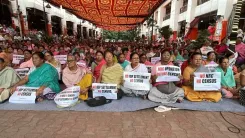
A 17-day hunger strike by tribal students was suspended on 29 August 2026 after the government accepted demands with a time-bound schedule.
The protests were triggered partly by the deaths of three tribal girls from a snakebite at a government residential school in Gadchiroli .
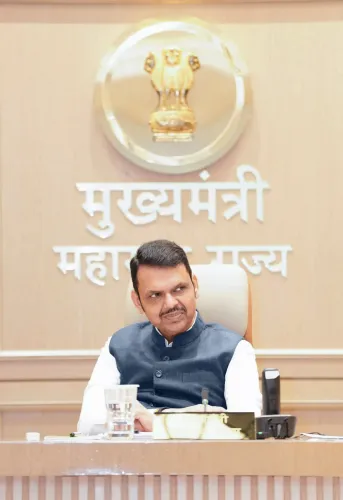
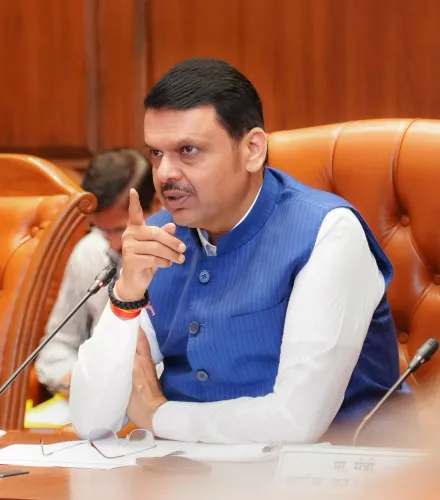
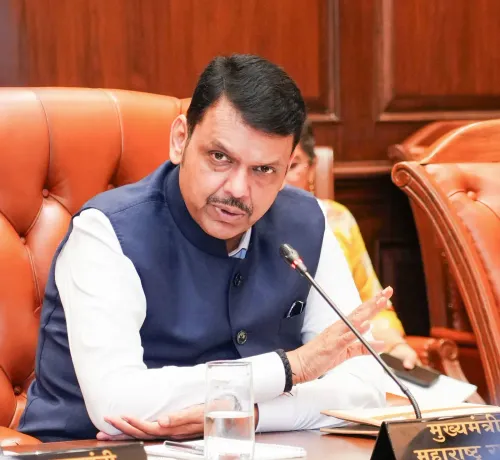
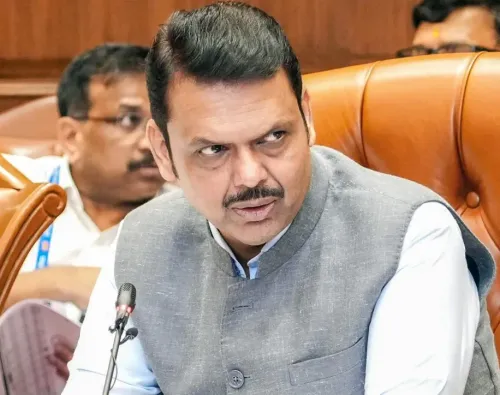
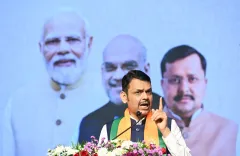
Maharashtra Chief Minister Devendra Fadnavis on Tuesday, 2 September directed all concerned government departments to complete recruitment for vacant posts in tribal areas within six months, and to submit detailed data on supernumerary employees and corresponding vacant positions within two weeks. The directives were issued at a high-level review meeting focused on unfilled positions in PESA (Panchayats Extension to Scheduled Areas) regions across the state.
Key Directives from the CM
Chief Minister Fadnavis instructed all District Collectors to urgently compile accurate figures on the number of employees currently occupying supernumerary posts, those who have since retired, and the original vacant posts they were meant to fill. This consolidated data will be forwarded to the Chief Secretary's office, after which departments must establish recruitment mechanisms without delay.
Fadnavis was unequivocal on timelines: the six-month deadline for completing recruitment preparations will not be extended under any circumstances, he stated. The meeting also addressed the verification process for appointments under the Scheduled Tribes (ST) category.
The Supernumerary Post Problem
The supernumerary issue traces back to a Supreme Court order under which employees were relieved from their original posts. Because many had served for extended periods, they were absorbed into supernumerary positions on humanitarian grounds — a temporary measure that effectively froze the original vacancies.
A review conducted in 2015 found that several employees had not submitted their Caste Validity Certificates. A subsequent verification in 2019 identified approximately 6,860 employees without valid certificates, of which 1,346 posts have since been filled, leaving a substantial backlog unresolved.
Backdrop: Tribal Student Protests and a Tragedy in Gadchiroli
The CM's directives come directly in response to weeks of sustained agitation by tribal students and youth organisations across Pune, Nagpur, Nashik, Yavatmal, and Nanded. The protests intensified after a tragic incident in Gadchiroli district, where three tribal girls died from a snakebite at a government residential school (Ashram Shala).
A 17-day hunger strike was suspended on 29 August 2026 after Fadnavis and Tribal Development Minister Dr Ashok Uike held direct talks with student delegations in Mumbai and accepted their core demands with a time-bound implementation schedule.
What the Protesters Demanded
The agitating groups had called for the immediate identification and filling of approximately 12,500 vacant posts reserved for Scheduled Tribes across state departments, along with fast-tracked recruitment under PESA. Of 17 cadres identified, recruitment for nine has already been completed; the government has agreed to launch recruitment for the remaining 6 to 8 cadres immediately.
Protesters also demanded that ST candidates be placed in the second position in the government's point-roster system, in line with prior government resolutions — a demand the government has indicated it will address.
What Comes Next
With a hard deadline now set and the Chief Secretary's office designated as the nodal point for data consolidation, the coming weeks will test whether the state machinery can convert political commitments into operational recruitment. The tribal student organisations that suspended their hunger strike have signalled they will resume protests if the time-bound schedule is not honoured.
Point of View
And the 2019 certificate-verification exercise left thousands of posts in limbo. The fact that a tragedy in Gadchiroli and a 17-day hunger strike were required to move the state machinery is itself a damning commentary on routine governance. Tribal student organisations have been explicit: the strike is suspended, not withdrawn. If the Chief Secretary's office cannot produce a credible recruitment pipeline within the stipulated window, the next agitation will carry greater public sympathy — and a harder political cost for the Mahayuti government.
NationPress
2 Sept 2026
Frequently Asked Questions
What has CM Fadnavis ordered regarding tribal area recruitment in Maharashtra?
Chief Minister Devendra Fadnavis has directed all government departments to complete recruitment for vacant posts in tribal (PESA) areas within six months. He also ordered that data on supernumerary employees and corresponding vacant posts be submitted to the Chief Secretary's office within two weeks.
Why are there so many vacant posts in tribal areas in Maharashtra?
A Supreme Court order required employees to be relieved from their original posts; many were then absorbed into supernumerary positions on humanitarian grounds, effectively freezing the original vacancies. A 2019 verification also found around 6,860 employees without valid Caste Validity Certificates, further stalling regularisation of approximately 12,500 ST-reserved posts.
What triggered the tribal student protests in Maharashtra?
Tribal students and youth organisations launched protests demanding the filling of roughly 12,500 vacant ST posts and faster PESA recruitment. The agitation intensified after three tribal girls died from a snakebite at a government residential school (Ashram Shala) in Gadchiroli district.
When was the tribal student hunger strike suspended and why?
The 17-day hunger strike was suspended on 29 August 2026 after CM Fadnavis and Tribal Development Minister Dr Ashok Uike held direct talks with student delegations in Mumbai and accepted their major demands with a time-bound implementation schedule.
How many tribal cadre recruitments have been completed so far?
Recruitment has been completed for nine out of 17 identified cadres. The Maharashtra government has agreed to launch recruitment for the remaining 6 to 8 cadres immediately as part of the concessions made to protesting tribal students.