US AI visa overhaul: DHS plans app, 30-day DACA rollout
Synopsis
The Trump administration is moving to overhaul US visa processing with AI and a new mobile app — and the first platform goes live in 30 days, targeting the DACA backlog. For Indian visa applicants, one of the largest groups in the US immigration pipeline, faster digital processing could mean real-world relief, even as re-vetting of older approvals adds a layer of uncertainty.
Key Takeaways
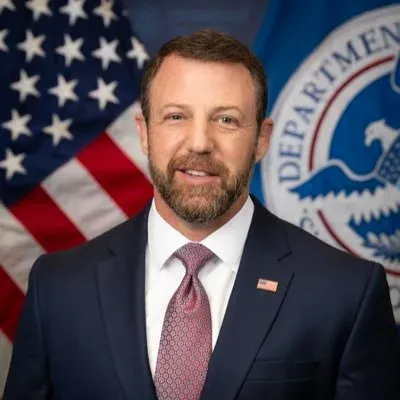
Homeland Security Secretary Markwayne Mullin announced an AI-driven overhaul of US visa processing before Congress on 26 June .
The first AI-enabled platform is set to go live within 30 days , initially targeting the DACA backlog.
DHS and the Department of Commerce are jointly developing a mobile application for immigration services, briefed to and backed by President Trump .
H-2A agricultural visa processing has already been reduced to a 15-day turnaround , Mullin said.
DHS is simultaneously re-vetting immigration cases approved under the previous administration with additional screening measures.
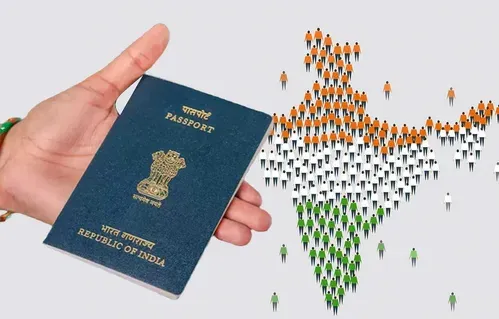
India is among the largest sources of US visa applicants and stands to benefit from faster digital processing under the new system.
The Trump administration is planning a sweeping artificial intelligence-driven overhaul of US visa processing and legal immigration services, Homeland Security Secretary Markwayne Mullin told lawmakers on 26 June. The initiative includes a new mobile application, automated form validation, and an AI-enabled platform set to go live within 30 days, with an initial focus on clearing the Deferred Action for Childhood Arrivals (DACA) backlog.
What the Overhaul Involves
Appearing before the House Appropriations Subcommittee on Homeland Security, Mullin outlined a multi-pronged digital transformation of the Department of Homeland Security (DHS). The plan centres on deploying AI to automate case management, reduce paperwork errors, and speed up approvals across immigration categories.
'We’re building systems in right now to be able to do that through an automated system,' Mullin said. A key feature would prevent incomplete applications from being submitted at all — 'Why can’t we move this to a system that you can’t submit the paperwork until it is filled out correctly?' he said. 'The technology is there, we just have to adapt it.'
Mobile App and Presidential Backing
DHS is collaborating with the Department of Commerce to develop a mobile application that would consolidate immigration services for applicants. 'We’re actually trying to build an app,' Mullin said, adding that he had briefed President Donald Trump on the initiative. 'The president loved the idea,' he noted. The app is intended to improve the experience for both individual applicants and employers dependent on work visa programmes.
Agricultural Visas and Labour Shortages
Responding to questions from Congressman Dan Newhouse of Washington state, Mullin said processing times for H-2A agricultural visas had already improved significantly, with the department now operating on a 15-day turnaround. 'A lot of these agricultural workers are known. They come back and forth, we see them every time,' he said.
Mullin also said DHS was examining how to address labour shortages in sectors such as dairy farming, where existing visa rules differ from those governing seasonal agricultural employment — a distinction that has created bottlenecks for year-round operations.
Re-vetting and Security Screening
The secretary acknowledged that modernisation efforts are running in parallel with a review of immigration cases approved under the previous administration. 'We’re having to go back through and re-vet a lot of people,' Mullin said, noting that additional screening measures have been introduced alongside the efficiency push. The dual mandate — faster processing and tighter security — reflects the administration’s broader framing of legal immigration reform.
What This Means for Indian Applicants
India is among the largest sources of skilled professionals, students, and employment-based visa applicants to the United States. Faster digital processing and AI-assisted case management could benefit thousands of Indian nationals seeking legal pathways to study, work, or settle in the US. However, visa eligibility and approvals will continue to be governed by existing immigration laws and regulations — the overhaul targets administrative efficiency, not policy changes. With application volumes continuing to climb, the pressure on federal agencies to modernise has grown steadily, and this initiative represents one of the most concrete steps in that direction to date.
Point of View
But the 30-day deployment claim for an AI immigration platform deserves scrutiny — federal technology rollouts have a long history of delays and cost overruns. More telling is the dual mandate Mullin is navigating: speed up legal immigration while re-vetting thousands of cases approved under the Biden administration. Those two goals pull in opposite directions, and it is not yet clear how the administration reconciles them in practice. For Indian applicants — who make up a disproportionate share of H-1B and student visa queues — the real test will be whether AI reduces structural backlogs or merely digitises existing bottlenecks.
NationPress
26 Jun 2026
Frequently Asked Questions
What is the US AI visa processing overhaul announced by DHS?
It is a planned digital transformation of US immigration services, announced on 26 June by Homeland Security Secretary Markwayne Mullin. The overhaul includes AI-powered case management, automated form validation to prevent incomplete submissions, and a new mobile application developed with the Department of Commerce.
When will the first AI visa platform go live?
Secretary Mullin said the first AI-enabled platform would become operational within 30 days of the announcement. The initial rollout will focus on reducing the backlog in processing applications under the DACA programme.
How does this affect Indian visa applicants?
India is among the largest sources of skilled professionals, students, and employment-based visa applicants to the United States. Faster AI-assisted processing and a digital mobile app could reduce wait times for Indian nationals, though visa eligibility rules remain unchanged.
What is the current H-2A agricultural visa processing time?
Secretary Mullin told Congress that H-2A agricultural visa processing has already been streamlined to a 15-day turnaround. He noted that many agricultural workers are repeat applicants, which aids faster verification.
Will the AI overhaul change immigration eligibility rules?
No. The overhaul targets administrative efficiency — faster processing, fewer errors, and digital access — not changes to immigration law or visa eligibility criteria. Approvals will continue to be governed by existing US immigration laws passed by Congress.