US, Pacific nations pledge $44 million to combat cybercrime and drug cartels
Synopsis
The US has committed over $44 million to fight cybercrime, drug cartels, and crypto laundering with Pacific Island nations — backing the pledge with concrete programmes through INTERPOL, the FBI, and a new maritime training centre in Palau. It is the first-ever US-Pacific Islands Police Ministers' Conference, and it signals Washington is treating Pacific security as a serious strategic frontier.
Key Takeaways
The United States has committed more than $44 million to strengthen law enforcement and maritime security across the Pacific region .
The agreement followed the inaugural US-Pacific Islands Conference of Police Ministers , held in Los Angeles on 21–22 October . $5 million has been pledged through the Pacific Alliance for Combating Illicit Finance and Cybercrime to tackle online scams and cryptocurrency laundering. $4 million will fund RIPTIDE , a drug trafficking interdiction partnership working with INTERPOL and the World Customs Organisation . $7 million will establish a regional maritime law enforcement training centre in Palau .
Semi-submersible drug trafficking vessels have been reported in waters near Fiji , the Marshall Islands , and the Solomon Islands .
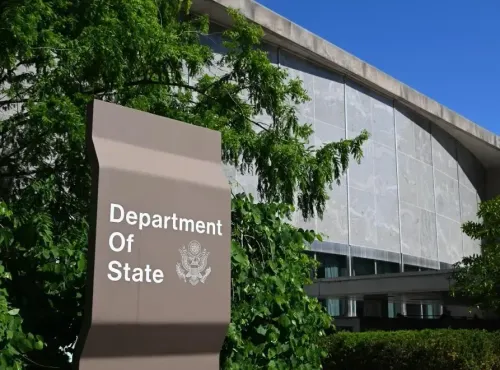
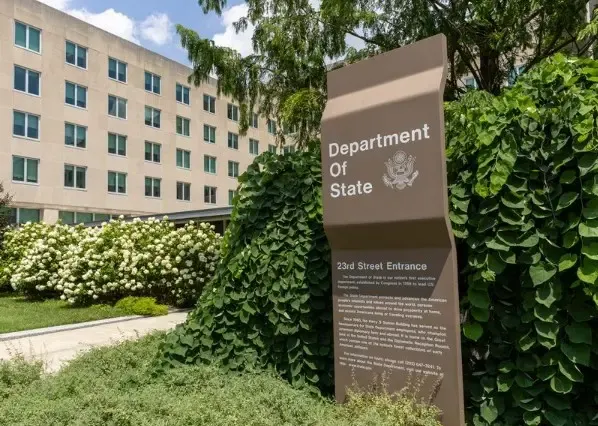
The United States and Pacific Island nations have agreed to sharply intensify cooperation against international drug cartels, online fraud networks, and cryptocurrency-based money laundering, with Washington committing more than $44 million to bolster law enforcement and maritime security across the strategically critical Pacific region. The joint commitment, formalised through a communiqué released by the US State Department on Monday, 27 October 2025, outlines a sweeping set of programmes targeting transnational criminal organisations operating across the Pacific, Southeast Asia, and the Americas.
The Conference That Launched the Agreement
The pact emerged from the inaugural US-Pacific Islands Conference of Police Ministers, held in Los Angeles on 21 and 22 October. The meeting brought together senior law enforcement officials from Pacific Island countries, Australia, New Zealand, France, the Philippines, and Ecuador, alongside American security agencies. The conference was jointly hosted by the United States and Palau, and co-chaired by US Coast Guard Commandant Admiral Kevin Lunday and Palau's Minister of Justice Jennifer Olegeriil.
Cybercrime and Cryptocurrency Laundering in the Crosshairs
A central focus of the agreement is the escalating threat from organised cybercrime networks that span international borders. The communiqué warned that online scam operations have evolved into large criminal enterprises, exploiting digital infrastructure to defraud victims and funnel illicit proceeds through international financial systems. Participating governments said criminal organisations are increasingly leveraging cryptocurrency transactions, underground financial networks, and gaps in national enforcement capacity. 'We will increase information sharing on scam operations, criminal infrastructure, and cryptocurrency laundering,' the joint statement read. To back this commitment, the United States has pledged $5 million through the Pacific Alliance for Combating Illicit Finance and Cybercrime programme, aimed at strengthening national cybercrime units and financial intelligence agencies across the region.
Drug Trafficking and Maritime Interdiction
The communiqué raised alarm over the growing footprint of drug trafficking networks operating between the Americas and the Pacific Islands. Methamphetamine, cocaine, and synthetic drugs were identified as key substances threatening regional communities. Notably, the statement flagged the use of semi-submersible vessels by trafficking organisations, including cases involving waters around Fiji, the Marshall Islands, and the Solomon Islands. Washington has earmarked $4 million for the Regional Interdiction Partnership for Trafficking Intelligence, Disruption, and Enforcement (RIPTIDE), which will work alongside INTERPOL and the World Customs Organisation to link drug seizure intelligence with financial investigations into trafficking networks.
Building Maritime Security Architecture
Beyond cybercrime, the agreement sets out a substantial maritime security architecture for the Pacific. The United States has committed $7 million to establish a regional maritime law enforcement training and coordination centre in Palau, which will train officers in vessel boarding, evidence collection, and maritime surveillance. An additional nearly $5.5 million has been announced for a regional maritime awareness network, covering surveillance equipment, communications systems, and upgrades to patrol vessels operated by Pacific countries. The US Coast Guard will also expand cooperation arrangements enabling Pacific law enforcement officers to operate aboard American vessels while enforcing their own domestic laws.
What the Broader Package Includes
Beyond maritime and cyber-focused funding, Washington has allocated an additional $5 million to strengthen police investigations through an FBI-supported programme covering drug trafficking, corruption, money laundering, and cybercrime. The package also includes improved border screening capabilities, investigator training, and equipment to detect illicit cargo. The participating governments emphasised that all programmes would respect national sovereignty and operate in accordance with each country's domestic laws. This is the first such ministerial-level gathering between the US and Pacific Island police chiefs, signalling a deepened American strategic engagement in a region where geopolitical competition has intensified considerably in recent years.
Point of View
But for the institutional architecture it attempts to build — a standing police ministerial forum, a maritime training hub in Palau, and dedicated crypto-laundering intelligence channels. This is Washington treating the Pacific less as a diplomatic afterthought and more as a contested security theatre, at a moment when Chinese influence in the region has grown measurably. The inclusion of Ecuador and the Philippines alongside Pacific Island states also signals that the US views Pacific crime networks as part of a wider transnational system, not a localised problem. Whether funding translates into sustained operational capacity will depend on execution — and on whether smaller Pacific nations can absorb and institutionalise the training without becoming dependent on continued American financing.
NationPress
27 Oct 2026
Frequently Asked Questions
What did the US commit to in its Pacific crime-fighting agreement?
The United States committed more than $44 million to strengthen law enforcement and maritime security across the Pacific, covering cybercrime, drug trafficking interdiction, cryptocurrency laundering, and maritime surveillance. The commitments were formalised in a joint communiqué released by the US State Department on 27 October 2025.
What was the US-Pacific Islands Conference of Police Ministers?
It was the inaugural ministerial-level gathering of police chiefs from the United States, Pacific Island nations, Australia, New Zealand, France, the Philippines, and Ecuador, held in Los Angeles on 21 and 22 October. The conference was co-hosted by the US and Palau, and co-chaired by US Coast Guard Commandant Admiral Kevin Lunday and Palau's Minister of Justice Jennifer Olegeriil.
How will the US tackle cryptocurrency laundering in the Pacific?
$5 million has been allocated through the Pacific Alliance for Combating Illicit Finance and Cybercrime programme, focused on building the investigative capacity of national cybercrime units and financial intelligence agencies. Participating governments pledged to increase information sharing on scam operations, criminal infrastructure, and cryptocurrency laundering channels.
What is RIPTIDE and what does it do?
RIPTIDE — the Regional Interdiction Partnership for Trafficking Intelligence, Disruption, and Enforcement — is a $4 million initiative that connects drug seizure intelligence with financial investigations into trafficking networks, working through INTERPOL and the World Customs Organisation. It was designed to target drug trafficking operations, including semi-submersible vessels reported in waters near Fiji, the Marshall Islands, and the Solomon Islands.
Why is the Pacific region strategically significant in this context?
The Pacific spans vast sea routes that criminal organisations exploit for drug trafficking and money laundering, with networks linking the Americas to Southeast Asia and Pacific Island states. The region's limited enforcement capacity and dispersed geography have historically made it attractive to transnational criminal groups, which is why the US is now investing in a dedicated maritime training centre in Palau and expanded Coast Guard cooperation arrangements.