US sanctions ICC as institution, warns 'Either end threats or we end ICC'
Synopsis
Washington has crossed a line it long threatened to cross — sanctioning the ICC as an institution, not just its officials. With a 180-day clock ticking and Secretary Rubio warning the court faces existential pressure, the next six months will test whether multilateral justice can survive a direct confrontation with the world's most powerful nation.
Key Takeaways
The United States sanctioned the International Criminal Court as an institution on 9 October 2026 under Executive Order 14203 .
Secretary of State Marco Rubio warned: 'Either the ICC will end its threats, or we will end the ICC.' A 180-day general licence permits certain ICC operations to continue, giving time for diplomatic engagement.
The US had previously sanctioned 17 individuals under the same order; Friday's action extends restrictions to the institution itself.
ICC President Tomoko Akane vowed the court would continue its work 'with independence and impartiality.' The ICC has 125 member states ; the US has never joined the court, established under the Rome Statute .
The United States on Friday, 9 October 2026 imposed sweeping sanctions on the International Criminal Court (ICC) as an institution, escalating Washington's confrontation with the global tribunal while granting a 180-day operational window to allow time for a diplomatic resolution. The move marks the first time the US has targeted the court itself — rather than specific individuals — under executive authority.
What the Sanctions Cover
The restrictions were imposed under Executive Order 14203, which authorises measures against the court and individuals tied to investigations or proceedings that Washington opposes. Under the new designation, the court's property and interests in property within US jurisdiction are frozen.
The State Department noted that the US had previously sanctioned 17 individuals under the same order; Friday's action extends those restrictions to the institution as a whole. The Treasury Department simultaneously issued several general licences permitting specified activities to continue — including a 180-day authorisation for operations necessary to keep the court functioning, along with separate carve-outs for IT services (including cloud computing and software), pension arrangements, and matters related to ICC detainees.
What Washington Said
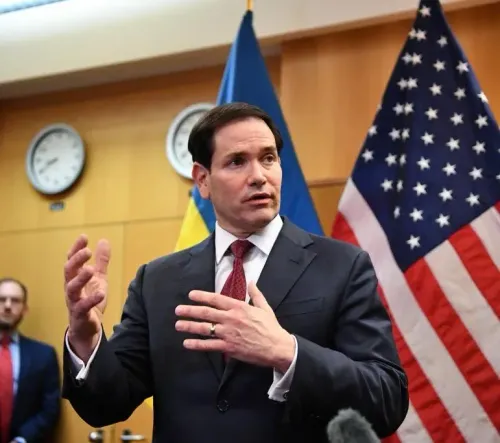
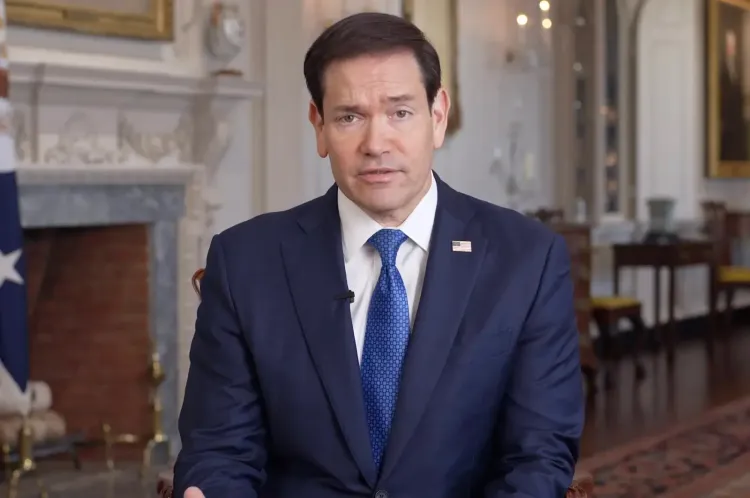
Secretary of State Marco Rubio announced the sanctions, making clear that the US would not recognise the ICC's jurisdiction over American citizens, military personnel, or political leaders. 'President Trump will never allow the International Criminal Court to prosecute Americans,' Rubio said in a statement.
'That is why, today, the United States is sanctioning the International Criminal Court. We will ban transactions with this rogue court, cutting off their resources and crippling its ability to operate,' he added. Rubio said Washington had previously delayed sanctioning the institution while pursuing diplomatic engagement, but warned that neither the ICC nor its member states had 'taken meaningful steps to address our concerns.' He issued a blunt ultimatum: 'Either the ICC will end its threats, or we will end the ICC.'
The ICC's Response
The ICC, based in The Hague, flatly rejected the sanctions, calling them an 'unprecedented attack on an independent judicial institution.' The court said the move was designed to obstruct its judicial work and intimidate those cooperating with it.
'This measure targets an independent judicial institution, created by treaty and entrusted by 125 States Parties with investigating and prosecuting genocide, crimes against humanity, war crimes, and the crime of aggression,' the court said in a statement. ICC President Tomoko Akane vowed the tribunal would press on regardless. 'The Court will continue to fully discharge its mandate, with independence and impartiality, acting only on the basis of the law and the evidence, for the sake of the countless victims of grave crimes,' Akane said.
Background and Context
The United States has never been a member of the ICC, which was established under the Rome Statute to prosecute genocide, crimes against humanity, war crimes, and aggression when national governments are unwilling or unable to act. Washington's antagonism toward the court is longstanding — the US 'unsigned' the Rome Statute under the George W. Bush administration — but the current measures represent a sharper, more formal escalation than any taken previously.
This comes amid a broader pattern of the Trump administration withdrawing from or challenging multilateral institutions, and follows earlier individual-level sanctions that targeted ICC investigators and officials. The 180-day grace period is framed by the State Department as an opportunity for member states to address American concerns before full restrictions take effect.
What Happens Next
The ICC has called on its 125 member states to ensure it retains the financial and operational resources to continue functioning. Rubio's warning of 'further measures' signals that Washington may move to tighten the screws if diplomatic channels fail within the six-month window. How European and other allied governments — many of them ICC members — respond to American pressure in the coming months will be a critical test of the court's long-term viability.
Point of View
But Rubio's language leaves little room for compromise: this is a deadline, not a dialogue. What mainstream coverage underplays is the signal this sends to authoritarian governments that have long chafed at the court's reach — Washington has now handed them a template for defiance. The real question is whether the ICC's 125 member states, many of them US allies, will absorb the financial and political cost of shielding the court, or quietly capitulate to avoid a bilateral confrontation with Washington.
NationPress
9 Oct 2026
Frequently Asked Questions
Why has the US sanctioned the International Criminal Court?
The US imposed sanctions on the ICC because Washington refuses to accept the court's jurisdiction over American citizens, military personnel, or political leaders. Secretary of State Marco Rubio said diplomatic efforts to address American concerns had produced no meaningful results from either the ICC or its member states.
What do the US sanctions on the ICC actually do?
Under Executive Order 14203, the ICC's property and interests within US jurisdiction are blocked, and transactions with the court are banned. However, the Treasury Department issued a 180-day general licence permitting certain operational activities to continue, along with carve-outs for IT services, pensions, and matters involving ICC detainees.
How has the ICC responded to US sanctions?
The ICC rejected the sanctions as an 'unprecedented attack on an independent judicial institution,' saying they were designed to obstruct its work and intimidate those cooperating with it. ICC President Tomoko Akane pledged the court would continue to discharge its mandate 'with independence and impartiality.'
Has the US sanctioned the ICC before?
Before Friday's action, the US had sanctioned 17 individuals under Executive Order 14203. Targeting the institution itself is a new and more sweeping step that represents a significant escalation from individual-level restrictions.
What happens after the 180-day grace period?
The State Department described the 180-day window as an opportunity for ICC member states to address American concerns. Secretary Rubio warned that further measures could follow if negotiations fail, suggesting Washington could tighten restrictions on the court's operations once the temporary licences expire.