PM Modi Chairs National Summit on Women and Child Development
Synopsis
PM Modi highlighted four key priorities at the National Departmental Summit on Women and Child Development — upgrading Anganwadis as community hubs, nutrition, women's safety, and linking women to ODOP and 'Vocal for Local' economic initiatives.
Key Takeaways
National Departmental Summit on Women and Child Development held on October 9, 2026 , with PM Modi sharing outcomes.
Government push to strengthen Anganwadis as community hubs , expanding their role beyond childcare.
Focus on healthcare and nutrition reinforces ongoing programmes like POSHAN Abhiyaan . ' Safety, dignity and empowerment of women ' framed as a combined priority — linking law, welfare, and socioeconomic standing.
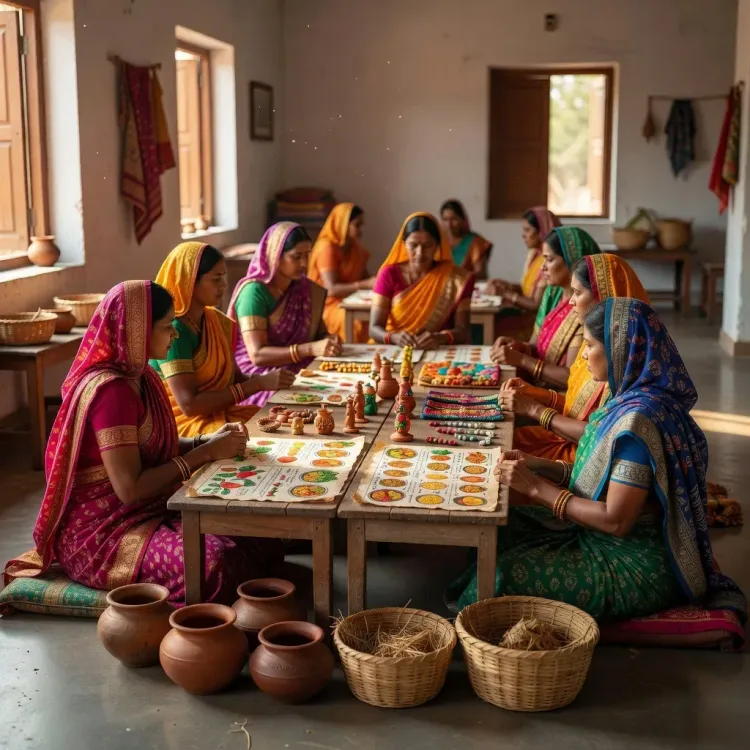
ODOP and ' Vocal for Local ' initiatives to be integrated with women-led enterprises and Self-Help Groups.
Summit format signals a multi-department coordination approach to break silos in women and child welfare delivery.
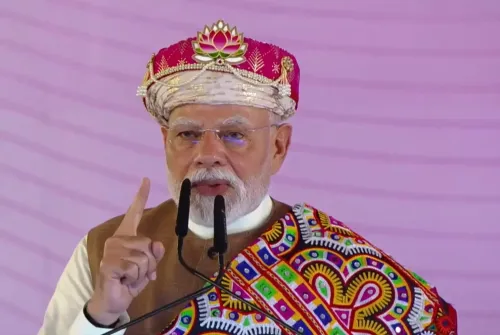
Four priorities, one summit, and a clear signal about where India's social welfare agenda is heading. Prime Minister Narendra Modi highlighted key outcomes from the National Departmental Summit on Women and Child Development on Friday, October 9, 2026, flagging a focused push on grassroots nutrition infrastructure, women's safety, and locally-led economic empowerment.
Anganwadis at the centre of a community reset
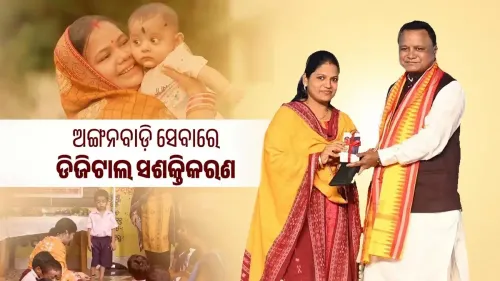
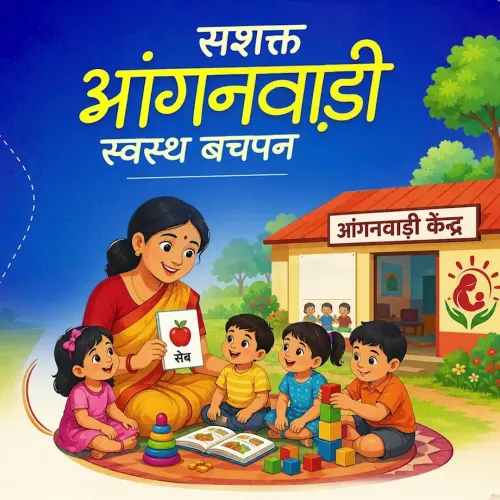
The summit placed particular emphasis on strengthening Anganwadis as community hubs — a signal that the government sees these frontline centres as far more than childcare stops. Anganwadis, part of the Integrated Child Development Services (ICDS) network, serve as the primary point of contact for maternal nutrition, early childhood development, and immunisation across rural and semi-urban India. Repositioning them as full community hubs would expand their mandate into adult women's health, local skilling, and crisis referral — a potentially significant upgrade to India's last-mile welfare infrastructure.
Healthcare, nutrition, and the safety of women
The summit's second and third focus areas — healthcare and nutrition, and safety, dignity, and empowerment of women — reflect persistent pressure points in India's human development indices. Malnutrition among children under five and anaemia among women of reproductive age remain challenges that national programmes like POSHAN Abhiyaan have targeted with varying degrees of success. The explicit mention of 'dignity' alongside safety is notable: it frames the agenda beyond law-and-order and into structural socioeconomic dignity for women.
'Vocal for Local' and ODOP: women as economic drivers
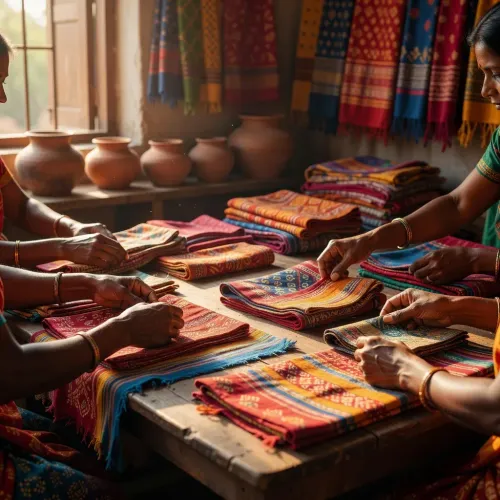
The summit also endorsed integrating 'Vocal for Local' and One District One Product (ODOP) initiatives with women-led enterprises. ODOP, which seeks to develop each district's signature product for scale and export, has increasingly positioned Self-Help Groups (SHGs) — overwhelmingly women-led — as core production and distribution units. Linking women's empowerment goals directly to these economic frameworks moves the policy needle from welfare to workforce participation and ownership. It is a convergence that the Ministry of Women and Child Development has been working toward in coordination with the Ministry of Commerce.
The summit's multi-ministry, multi-department format — described as an 'exchange of perspectives and best practices' — points to the government using horizontal coordination to break departmental silos in implementation. Whether the commitments translate into revised programme guidelines and budget allocations will be the real test of the summit's intent.
Point of View
Safety, community infrastructure, and economic participation — under a single convergence logic. The ODOP-SHG linkage is the most economically ambitious element, signalling a shift from welfare beneficiary to enterprise owner as the government's aspiration for women. However, Anganwadi-as-community-hub has been a recurring policy ambition across multiple administrations, and the gap between summit declarations and on-ground budget allocation remains the central accountability question. If the Ministry of Women and Child Development follows this summit with revised scheme guidelines, it will mark genuine intent; if not, the event sits in a long line of high-visibility conclaves that did not move the needle.
NationPress
9 Oct 2026
Frequently Asked Questions
What was the National Departmental Summit on Women and Child Development?
It was a high-level government summit held on October 9, 2026 , focused on aligning departmental strategies for women's welfare, child nutrition, Anganwadi infrastructure, and women's economic empowerment through initiatives like ODOP and 'Vocal for Local'.
What is the ODOP scheme and how does it relate to women's empowerment?
One District One Product (ODOP) is a government initiative that promotes each district's signature product for scaling and export. Women-led Self-Help Groups are key production units in the scheme, making it a vehicle for women's economic ownership.
What are Anganwadis and why does upgrading them matter?
Anganwadis are frontline welfare centres under the Integrated Child Development Services (ICDS) network, serving as primary touchpoints for maternal nutrition, early childhood development, and immunisation. Upgrading them as community hubs would significantly expand their role in women's health and skilling.
What is POSHAN Abhiyaan?
POSHAN Abhiyaan is India's flagship national nutrition mission aimed at reducing stunting, wasting, anaemia, and low birth weight, with Anganwadis serving as key delivery points for the programme.
What did PM Modi say about 'Vocal for Local' at the WCD summit?
PM Modi highlighted the need to encourage ' Vocal for Local ' and ODOP initiatives where women play a key role, positioning locally-made, women-led products as central to both economic empowerment and grassroots development goals.