US Senate passes Stop Stealing our Chips Act to curb semiconductor smuggling to China
Synopsis
The US Senate has unanimously backed a bipartisan bill that pays whistleblowers up to 30% of fines to expose chip smugglers — and the trigger is real: at least eight Chinese networks have each moved over $100 million in restricted semiconductors, some reaching PLA-linked entities. With AI raising the stakes, this is Washington's most targeted strike yet at the grey-market routes feeding China's tech ambitions.
Key Takeaways
The US Senate passed the Stop Stealing our Chips Act on 23 May , targeting illegal semiconductor exports to China .
Whistleblowers can earn 10–30% of fines from successful enforcement actions under the new Bureau of Industry and Security (BIS) programme.
BIS must establish a secure whistleblower platform within 120 days of enactment; credible reports must trigger investigations within 60 days .
At least eight Chinese smuggling networks have each conducted transactions exceeding $100 million , with some chips reaching People's Liberation Army -linked entities.
The bill now moves to the House of Representatives before going to President Donald Trump for signature.
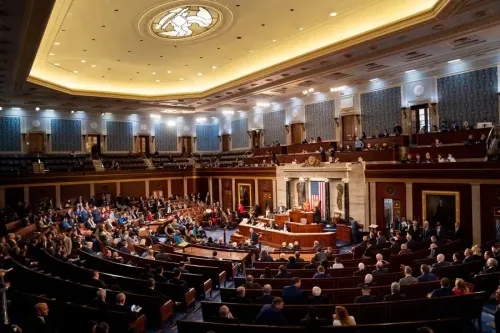
The US Senate has passed bipartisan legislation aimed at halting the illegal export of advanced American semiconductors to China, amid mounting concerns in Washington that diverted chips could bolster Chinese military capabilities and artificial intelligence development. The bill, titled the Stop Stealing our Chips Act, cleared the Senate on 23 May and now moves to the House of Representatives before heading to President Donald Trump for his signature.
What the Legislation Does
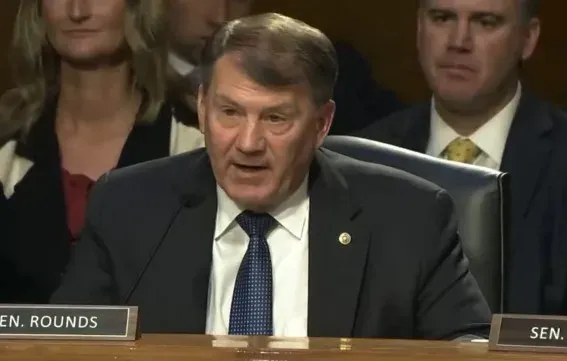
The bill was introduced by Republican Senator Mike Rounds and co-sponsored by Democratic Senator Mark Warner. At its core, the legislation creates a whistleblower incentive programme within the Bureau of Industry and Security (BIS), designed to encourage insiders to report illegal semiconductor export activity.
Under the proposal, whistleblowers who provide original information leading to successful enforcement actions would be eligible to receive between 10 and 30 per cent of fines collected from violators. The bill also establishes an 'Export Compliance Accountability Fund', financed through penalties levied on export control violations.
BIS would be required to set up a secure public submission platform for whistleblower reports within 120 days of enactment. Reports deemed credible must trigger formal investigations within 60 days, with whistleblowers receiving status updates every 30 days while probes remain active.
Protections Built Into the Bill
The legislation includes robust confidentiality guarantees and anti-retaliation provisions. Employers would be legally barred from dismissing, harassing, or discriminating against employees who lawfully flag export control violations. Federal employees acting within their official duties, and individuals linked to terrorism or sanctions lists, would be excluded from receiving whistleblower awards.
Scale of the Smuggling Problem
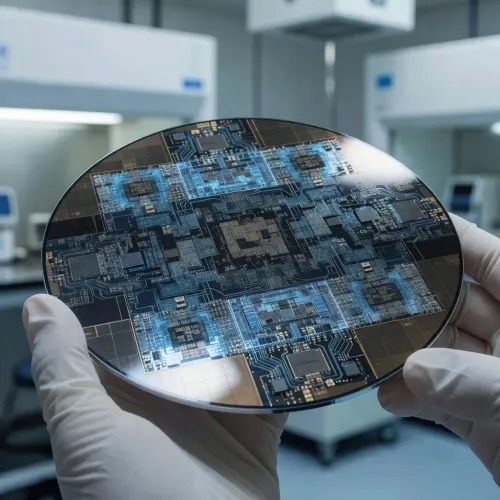
According to Senator Rounds' office, reports have identified at least eight Chinese smuggling networks conducting transactions exceeding $100 million each. Some restricted chips have reportedly reached sanctioned Chinese entities, including military research institutions and firms linked to the People's Liberation Army (PLA).
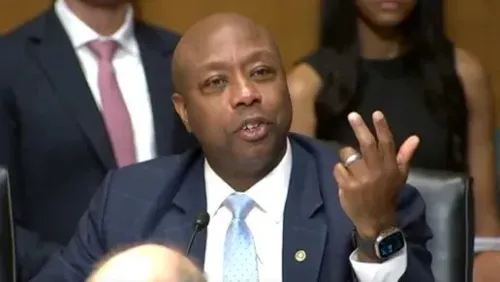
Rounds underscored the urgency of the threat: 'The United States has taken extensive measures to prevent American-made semiconductors from falling into the wrong hands, particularly China; however, China continues to smuggle these chips into their country,' he said. He added that the rapid acceleration of artificial intelligence had raised the national security stakes considerably: 'As the use of artificial intelligence continues to accelerate, this creates a grave national security concern.'
Bipartisan Support and What Comes Next
Senator Warner called the Senate vote a pivotal moment for US export control architecture. 'Today's Senate passage of the Stop Stealing our Chips Act is an important step toward strengthening our export control system and protecting America's national security,' he said, adding that stronger tools were needed to detect and disrupt illicit acquisition networks.
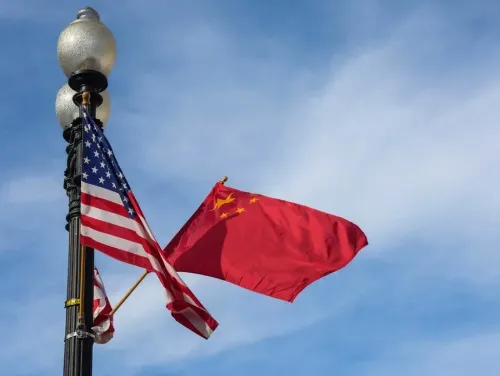
This comes amid a broader, years-long tightening of US semiconductor export controls as Washington and Beijing compete intensely over artificial intelligence, supercomputing, and military technologies. US officials have repeatedly argued that advanced chips — often designed by American companies and manufactured through global supply chains — can be rerouted through third-country networks to reach restricted Chinese entities. The bill's passage to the House marks a critical next step, with its ultimate fate resting on a floor vote and the President's signature.
Point of View
Yet eight smuggling networks — each moving over $100 million — have reportedly operated with relative impunity. The whistleblower mechanism is pragmatic precisely because traditional enforcement relies on agencies that lack the insider visibility to catch sophisticated grey-market routing. The real question is whether financial incentives will surface credible informants faster than smuggling networks adapt their supply chains — a race that the $100 million-per-network figure suggests China is currently winning.
NationPress
9 Oct 2026
Frequently Asked Questions
What is the Stop Stealing our Chips Act?
The Stop Stealing our Chips Act is a bipartisan US Senate bill that creates a whistleblower incentive programme within the Bureau of Industry and Security (BIS) to expose illegal exports of advanced American semiconductors to China. Whistleblowers can receive 10–30% of fines collected from successful enforcement actions.
Who sponsored the Stop Stealing our Chips Act?
The bill was introduced by Republican Senator Mike Rounds and co-sponsored by Democratic Senator Mark Warner, reflecting bipartisan concern over Chinese acquisition of restricted US semiconductor technology.
What happens next after the Senate vote?
The bill now moves to the House of Representatives for a floor vote. If passed there, it will be sent to President Donald Trump for his signature before becoming law.
How widespread is semiconductor smuggling to China?
According to Senator Rounds' office, at least eight Chinese smuggling networks have each conducted transactions exceeding $100 million in restricted chips. Some of those chips have reportedly reached sanctioned Chinese entities, including military research institutions and firms linked to the People's Liberation Army.
What protections do whistleblowers get under the bill?
The legislation guarantees confidentiality for whistleblowers and includes anti-retaliation protections. Employers are barred from firing, harassing, or discriminating against employees who report export control violations. Federal employees acting within their official duties and individuals on terrorism or sanctions lists are excluded from receiving awards.