How is the US Strengthening Its Defence Strategy Against China's Influence in the Indo-Pacific?
Synopsis
The US has unveiled a stringent defence strategy aimed at curbing China's influence in the Indo-Pacific. With a focus on Taiwan and the South China Sea, the strategy highlights the need for increased allied contributions and advanced military capabilities to ensure regional stability.
Key Takeaways
The US has adopted a robust defence strategy against China's influence.
Focus on Taiwan and the South China Sea for regional stability.
Allies are urged to increase defence spending and contributions.
Investment in advanced military technologies is a priority.
India is positioned as a key partner in Indo-Pacific security.
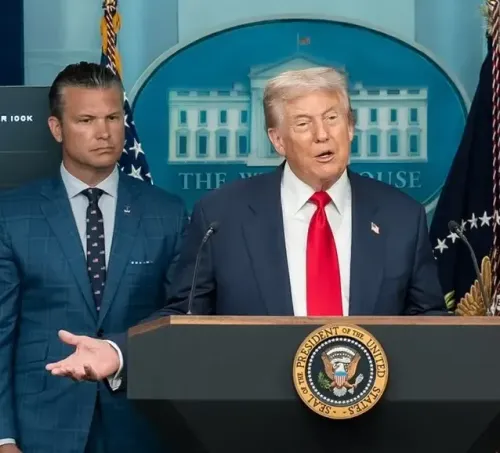
Washington, Dec 7 (NationPress) The United States has introduced a more robust defence strategy aimed at countering China's expanding military and economic influence in the Indo-Pacific region.
In the recently released National Security Strategy, the Trump administration describes the area as "one of the crucial economic and geopolitical battlegrounds" of the next century, stressing that the US must be ready to "deny aggression anywhere in the First Island Chain".
The strategy document, set to be published later this week, asserts that previous US policies towards Beijing were founded on "incorrect American assumptions about China". It contends that years of engagement have bolstered China at the expense of American workers and industries.
According to the report, "American elites, across four successive administrations from both political parties, were either willing enablers of China's strategy or were in denial".
The document outlines various practices that Washington plans to challenge, including "predatory, state-directed subsidies and industrial strategies", "unfair trading practices", and "massive intellectual property theft".
It also highlights threats to supply chains, particularly concerning minerals and rare earth elements, alongside mentions of Chinese exports of "fentanyl precursors that exacerbate America's opioid crisis".
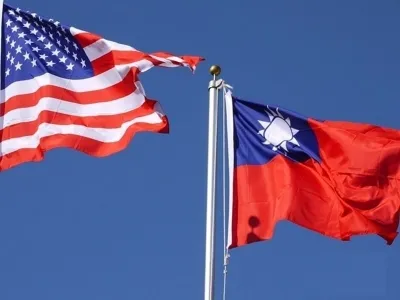
Defence strategies pay particular attention to Taiwan. The strategy notes that the island "offers direct access to the Second Island Chain and divides Northeast and Southeast Asia into two distinct theatres".
The administration reiterates the long-standing US stance that it "does not endorse any unilateral changes to the status quo in the Taiwan Strait".
The document warns that Chinese dominion over the South China Sea could enable a "potentially hostile power to impose a toll system" or to "close and open it at will". With one-third of global shipping passing through these waters, the strategy advocates for "robust measures" to ensure they remain accessible.
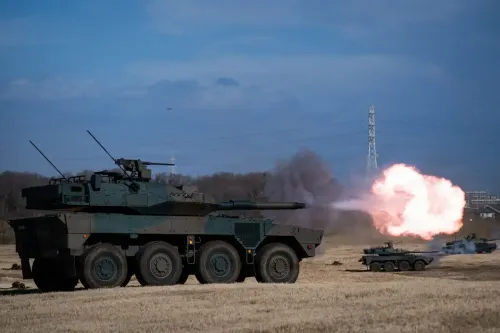
To maintain deterrence, the administration asserts that the US must uphold "a military balance that favors the United States and its allies in the region". It commits to increased investments in advanced capabilities, including AI, quantum computing, autonomous systems, and cutting-edge energy technologies.
The strategy also places greater responsibility on US allies. "Our allies must step up, increase spending, and crucially, enhance efforts for collective defence", it states. This involves granting more access to US forces, boosting defence budgets, and investing in deterrence-oriented capabilities.
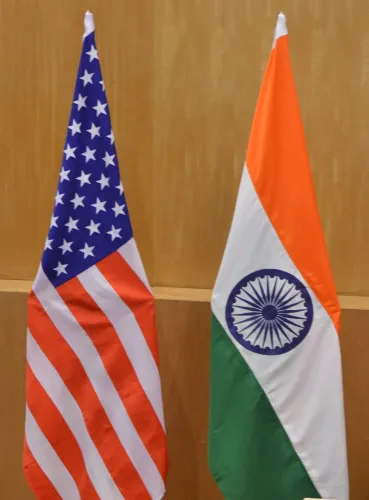
India has been identified as a vital partner. The strategy suggests that Washington "must continue to enhance commercial (and other) relations with India to motivate New Delhi to contribute to Indo-Pacific security", including deeper cooperation within the Quad.
The release of this document occurs amidst ongoing competition between Washington and Beijing in technology, trade, and maritime security. US officials have consistently regarded China as the primary challenge in military planning, with Taiwan and the South China Sea recognized as potential flashpoints that could influence the regional power dynamics for years to come.
The Trump administration's new strategy formalises this perspective.
Point of View
I believe this new defence strategy underscores the seriousness of the geopolitical landscape. The US's commitment to countering China's influence is crucial not only for regional allies but also for maintaining global stability. The call for increased collaboration with allies, especially India, is a strategic move that reflects a united front against potential threats.
NationPress
13 Oct 2026
Frequently Asked Questions
What is the US's new defence strategy focused on?
The US's new defence strategy is focused on countering China's military and economic influence in the Indo-Pacific region.
What is highlighted as a key area of concern in the strategy?
The strategy highlights Taiwan and the South China Sea as critical areas for maintaining regional balance and stability.
How does the strategy propose to engage allies?
The strategy calls for US allies to increase defence spending and enhance collective defence efforts.
What technologies does the US plan to invest in?
The US plans to invest in advanced capabilities, including artificial intelligence, quantum computing, and autonomous systems.
What role does India play in the US's defence strategy?
India is identified as a central partner, with the US aiming to strengthen commercial and defence relations to enhance Indo-Pacific security.