US Military Targets Major Iranian Bridge as Tensions Escalate
Synopsis
In a significant escalation of tensions, US forces have targeted a crucial bridge in Iran, prompting a stark warning from President Trump about further actions. The strike has resulted in casualties and raised questions about the ongoing conflict between the US and Iran.
Key Takeaways
US forces targeted a crucial highway bridge in Iran.
President Trump warned of further actions to follow.
Iranian officials declared readiness to defend their homeland.
Diplomatic talks between the US and Iran are currently stalled.
Casualties included civilians during the Nowruz holiday.
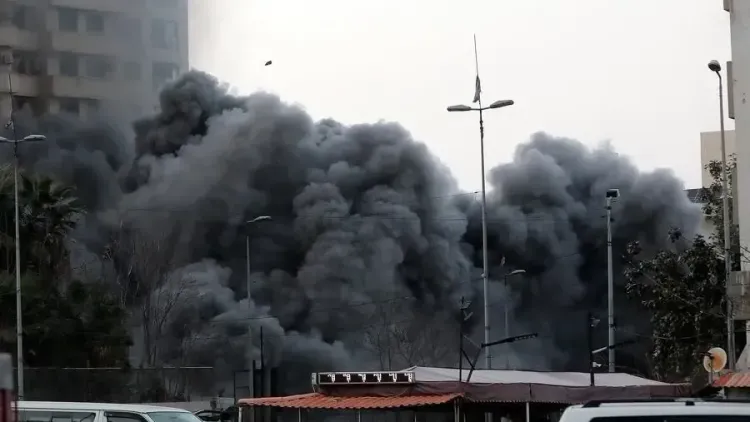
Washington, April 3 (NationPress) – US military forces have targeted a significant highway bridge in Iran, intensifying existing tensions as President Donald Trump cautioned that there would be "much more to follow" and encouraged Tehran to negotiate a deal.
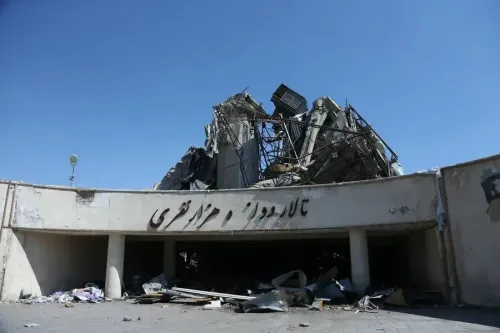
The assault struck the B1 bridge, which connects Tehran to the nearby city of Karaj. A military official from the US stated that the strike was aimed at disrupting a "planned military supply route" intended for Iran’s missile and drone operations.
According to Iranian state media, the bridge was not operational at the time of the attack and had not been utilized by military forces. Reports indicate that at least eight individuals have died and numerous others have been injured, including civilians who were outdoors celebrating the Nowruz holiday.
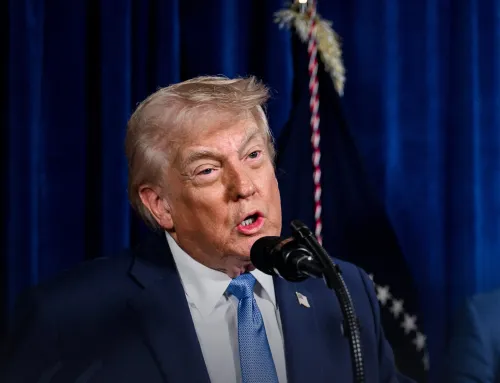
Trump praised the operation in a social media message, declaring, "The biggest bridge in Iran comes tumbling down, never to be used again — Much more to follow!" He also urged Iran to "MAKE A DEAL BEFORE IT IS TOO LATE."
US officials asserted that this operation is part of a larger strategy to disrupt Iran’s military logistics, specifically to inhibit the transportation of missile and drone components throughout the nation.
In response, Iranian leaders expressed a resolute stance. Parliament Speaker Mohammad Ghalibaf stated, "When it comes to defending our homeland, each and every one of us will become a soldier of this country," emphasizing that Iranians are "armed, ready, and standing."
Currently, Tehran has dismissed the possibility of engaging in talks with Washington, with a foreign ministry spokesman labeling negotiations as "impossible under current conditions."
This bridge strike coincided with additional assaults on infrastructure. Iranian officials reported that an airstrike targeted the Pasteur Institute of Iran, a vital public health establishment, which a health ministry representative described as a "direct assault on international health security."
The conflict has extended across the region, with Israel reporting successful interceptions of missiles originating from Iran. Additionally, the Houthis in Yemen have fired a missile towards Israel.
Efforts for diplomatic resolution remain stalled, as Russia, China, and France have blocked initiatives at the U.N. Security Council to authorize military action to reopen the Strait of Hormuz.
Point of View
This latest military action marks a pivotal moment in the ongoing conflict. With casualties reported and diplomatic efforts at a standstill, the implications for both nations and the broader region are significant and warrant close attention.
NationPress
24 Sept 2026
Frequently Asked Questions
What was the target of the US airstrike in Iran?
The US airstrike targeted the B1 highway bridge, which connects Tehran to Karaj, as part of an effort to disrupt Iran's military supply routes.
How did President Trump respond to the attack?
President Trump praised the airstrike on social media, stating that the bridge would never be used again and warned of further actions to come.
What was Iran's reaction to the airstrike?
Iranian officials expressed a defiant stance, emphasizing their readiness to defend the nation and dismissing the possibility of negotiations with the US.
What are the broader implications of this strike?
The strike is part of a larger strategy aimed at disrupting Iran's military logistics, which could escalate tensions further in the region.
Have there been any casualties reported from the airstrike?
Yes, reports indicate that at least eight individuals were killed and many others wounded, including civilians during the Nowruz holiday.