US Airstrikes Target Iranian Military Near Chabahar Free Trade Zone
Synopsis
US fighter jets have reportedly launched strikes on Iranian military positions near the Chabahar Free Trade Zone, intensifying the ongoing conflict in West Asia. As the situation escalates, both nations remain steadfast in their positions, signaling a prolonged confrontation ahead.
Key Takeaways
US fighter jets have struck Iranian military sites near the Chabahar Free Trade Zone.
The attacks follow significant escalation in tensions between the US and Iran.
Iranian officials have denied seeking a ceasefire.
Global energy markets remain under pressure due to potential shipping disruptions.
US officials predict a swift resolution to the conflict.
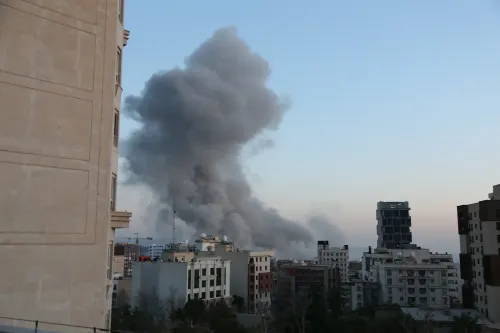
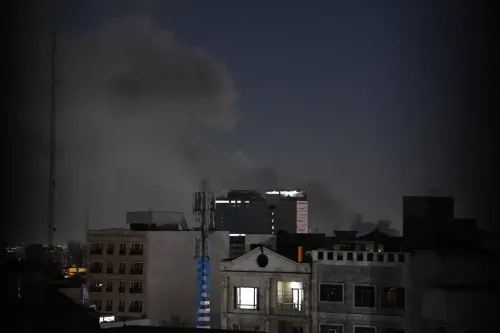
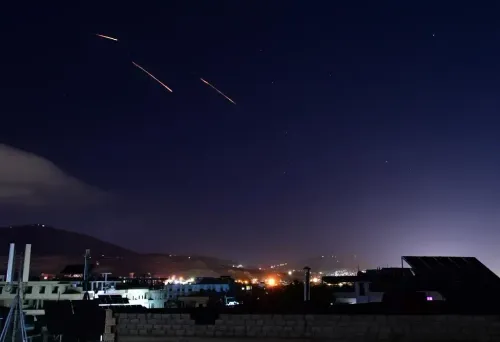
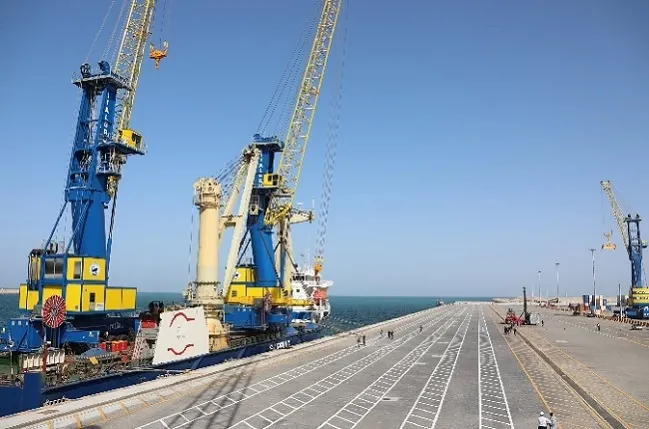
On March 16, reports indicate that US fighter jets have struck Iran's military installations close to the Chabahar Free Trade Zone.
According to Al Jazeera, citing Voice of America’s Persian service, explosions were audible in the vicinity of the Chabahar Free Trade Zone.
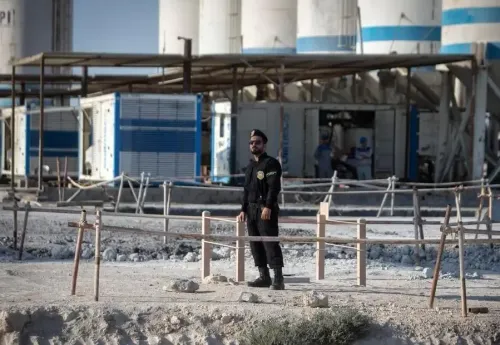
This free trade area is situated in Sistan and Baluchestan province of Iran, adjacent to the Pakistan border.
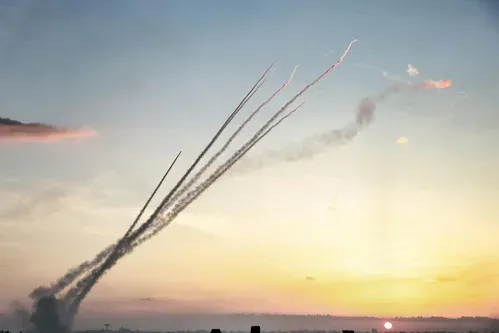
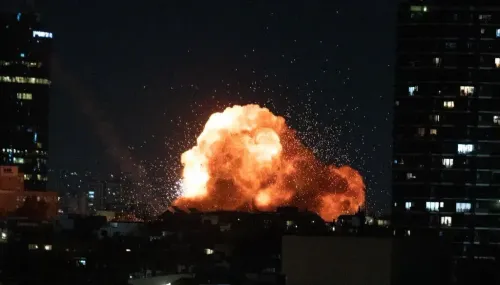
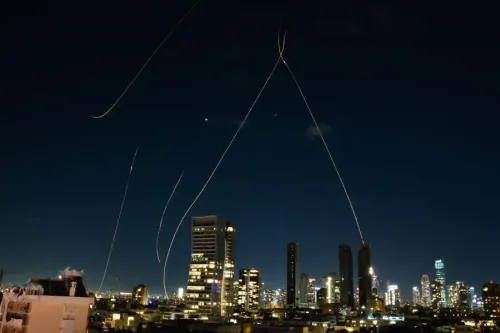
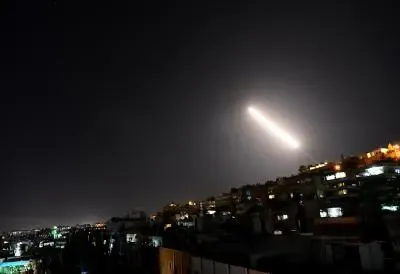
The airstrikes follow escalating tensions in West Asia, triggered by US-Israeli operations against Iran on February 28, which resulted in the deaths of Iran's Supreme Leader Ayatollah Ali Khamenei and other senior military personnel. In retaliation, Iran has launched attacks on US assets and civilian targets, such as airports, ports, and oil infrastructure throughout the Gulf region.
As the conflict approaches its third week, pressure on global energy markets persists due to near-total disruptions in shipping through the Strait of Hormuz. Senior figures in the Trump administration have suggested that the war with Iran might reach a conclusion in a matter of weeks.
During an appearance on ABC’s This Week, US Energy Secretary Chris Wright expressed confidence in the rapid progression of the military campaign.
“There are no guarantees in warfare,” Wright noted in his conversation with ABC News anchor Martha Raddatz. However, he anticipated a swift end to the conflict.
“I believe this situation will certainly resolve within the upcoming weeks, potentially even sooner,” Wright stated.
In contrast, Iran has dismissed claims of seeking a ceasefire, asserting its commitment to continue defending itself indefinitely.
In an interview on CBS’s Face the Nation, Iranian Foreign Minister Seyed Abbas Araghchi denied any requests for a ceasefire or negotiations with the US.
“No, we have never solicited a ceasefire, nor have we asked for negotiations,” Araghchi informed CBS moderator Margaret Brennan.
He emphasized Iran's readiness to respond militarily against what it perceives as US aggression.
“We will defend ourselves for as long as necessary,” Araghchi declared.
The foreign minister contended that the conflict was instigated by the US and accused President Donald Trump of opting for warfare.
“This war is a choice made by President Trump and the United States; we will persist in our defense,” he asserted.
Araghchi further rejected the notion that Tehran needs to negotiate for survival in the conflict.
“No, this is not a struggle for survival. We are stable and strong enough,” he concluded.
Point of View
The escalating conflict between the US and Iran underscores the complexities of geopolitical dynamics in West Asia. Both nations appear entrenched in their stances, raising concerns about the potential for further military engagement and its implications for regional stability and global energy markets.
NationPress
21 Sept 2026
Frequently Asked Questions
What triggered the recent US airstrikes on Iran?
The US airstrikes were triggered by escalating tensions following US-Israeli strikes on Iran that resulted in the deaths of key Iranian leaders.
What is the significance of the Chabahar Free Trade Zone?
The Chabahar Free Trade Zone is strategically located in Iran's Sistan and Baluchestan province, near the border with Pakistan, making it an important economic hub.
How has Iran responded to the US strikes?
Iran has rejected calls for a ceasefire, insisting on its right to defend itself and continue military operations against perceived US aggression.
What are the implications for global energy markets?
The ongoing conflict and disruptions in the Strait of Hormuz could significantly impact global energy markets, particularly oil supply.
What did US officials say about the duration of the conflict?
US officials, including Energy Secretary Chris Wright, have expressed optimism that the conflict could conclude within weeks.