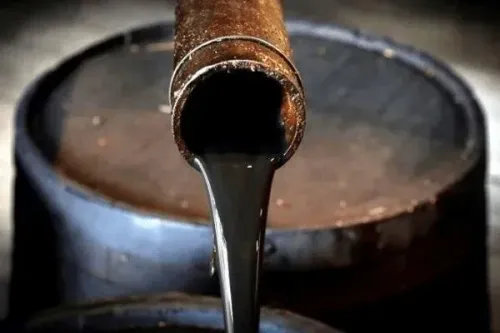
US eyes 65-billion-barrel Venezuela oil reserve via new deal
Synopsis
The US is moving to treat Venezuela’s vast crude reserves as a de facto American strategic asset — with private firms developing output and taxpayers collecting royalties. It is a striking geopolitical pivot that reframes sanctions-era adversarial policy as an energy partnership, even as Venezuela’s production constraints and the legal architecture of the deal remain unresolved.
Key Takeaways
Vance announced on 4 September that the US is pursuing a deal to create an effective 65-billion-barrel oil reserve through Venezuela.
Private American companies are expected to enter Venezuela and develop oil production under the arrangement.
US taxpayers will directly receive a share of royalties, according to Vance.
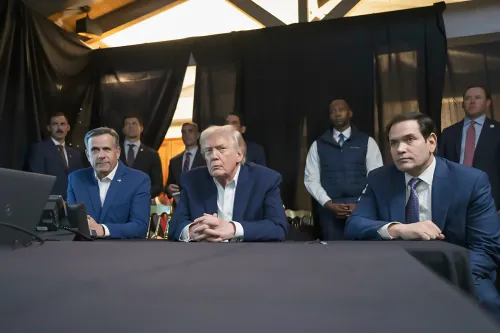
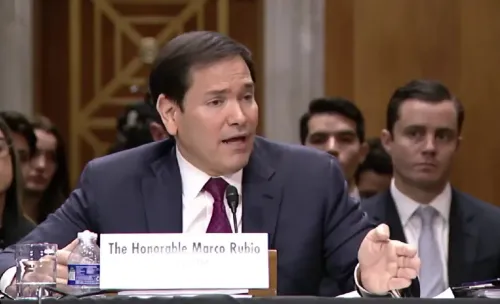
The deal was reportedly negotiated by Secretary of State Marco Rubio and Defence Secretary Pete Hegseth .
Vance cited Iranian attacks on commercial shipping as a key driver behind the push for new, dependable energy sources.
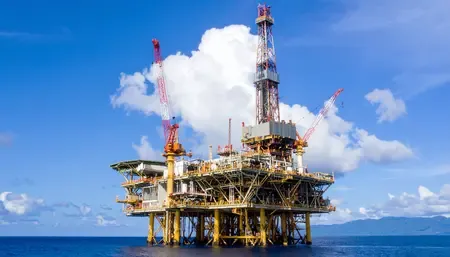
Venezuela holds some of the world’s largest proven crude reserves but has faced severe production constraints due to underinvestment, sanctions, and political instability.
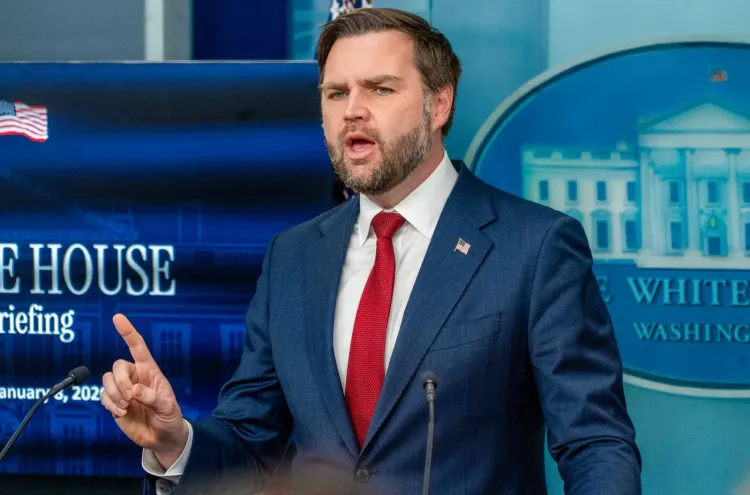
Vice-President J.D. Vance on 4 September announced that the United States is pursuing an arrangement with Venezuela to develop what he described as an effective 65-billion-barrel oil reserve, with American companies leading production and US taxpayers receiving a direct share of royalties. The disclosure, made at a White House press briefing, marks one of the most significant energy diplomacy moves of the current administration.
What the Deal Entails
Under the proposed arrangement, private American firms would enter Venezuela to develop its vast crude reserves, generating oil revenue that Vance said would benefit both Venezuelan citizens and US consumers. A portion of the royalties would flow directly to American taxpayers, according to Vance.
'We’re using, of course, that successful Venezuela operation and some of the friendships and some of the relationships that have developed in the wake of that operation, to create what is effectively a new 65 billion barrel of oil reserve for the United States of America,' Vance told reporters.
Who Negotiated the Agreement
Vance credited Secretary of State Marco Rubio, Defence Secretary Pete Hegseth, and other administration officials with brokering the deal. He framed the outcome as a direct consequence of diplomatic groundwork laid by the current administration's Venezuela policy.
'Thanks to the deal struck by Marco and Pete Hegseth and others in the administration, it actually sets us up to where the American people will directly receive some of the royalties as well,' he said.
The Energy Security Argument
Vance presented the agreement as a strategic response to global supply disruptions, citing Iranian attacks on commercial shipping as evidence that dependable energy sources are a national security imperative. He argued that expanded Venezuelan output would increase global oil supply, exerting downward pressure on fuel costs for American consumers.
'Obviously, that’s going to mean world oil markets get only more supply that will lower costs for Americans,' he said, adding that significant revenue would also reach the Venezuelan people.
Contrast With Biden-Era Reserve Policy
The Vice-President drew a pointed contrast with the previous administration’s handling of the US Strategic Petroleum Reserve, accusing the Biden administration of releasing stockpiles ahead of mid-term elections rather than in response to a genuine international emergency. He said those drawdowns left the reserve 'extraordinarily low.'
Venezuela’s Oil Potential and Its Constraints
Venezuela holds some of the world’s largest proven crude reserves. However, decades of underinvestment, deteriorating infrastructure, political instability, and US sanctions have severely curtailed actual production. Any meaningful ramp-up would require substantial capital inflows and, reportedly, a recalibration of the existing sanctions framework — details the administration has not yet made public. How quickly production could scale, and under what legal structure, remain open questions as of the briefing.
Point of View
Not geology, are the binding constraint, and the administration has not yet detailed what sanctions relief, if any, underpins this arrangement. The royalty-to-taxpayers promise is politically appealing but operationally opaque: no legal framework, revenue-sharing structure, or timeline has been disclosed. Mainstream coverage has focused on the headline number; the harder question is whether this is a genuine energy strategy or a diplomatic announcement dressed as an oil policy.
NationPress
19 Oct 2026
Frequently Asked Questions
What is the US-Venezuela 65-billion-barrel oil reserve deal?
It is a proposed arrangement announced by Vice-President J.D. Vance on 4 September under which American private companies would develop Venezuelan crude reserves, with the US effectively treating the output as a new 65-billion-barrel national oil reserve and directing a share of royalties to US taxpayers.
Who negotiated the Venezuela energy deal?
According to Vance, the deal was brokered by Secretary of State Marco Rubio , Defence Secretary Pete Hegseth , and other administration officials, building on diplomatic relationships established through prior US engagement with Venezuela.
How will US taxpayers benefit from the Venezuela oil deal?
Vance said American taxpayers will directly receive a portion of the royalties generated from Venezuelan oil production developed by US companies, though the specific legal or financial structure of that arrangement has not been publicly detailed.
Why is Venezuela significant for US energy strategy?
Venezuela holds some of the world’s largest proven crude oil reserves. Developing that output would, according to Vance, increase global oil supply and lower fuel costs for American consumers — a key energy security goal, particularly amid disruptions caused by Iranian attacks on commercial shipping.
How does this deal differ from Biden-era Strategic Petroleum Reserve policy?
Vance argued that the Biden administration depleted the US Strategic Petroleum Reserve for political reasons ahead of mid-term elections rather than in response to a genuine emergency. The Venezuela arrangement, he said, creates a new supply source without drawing down existing domestic reserves.