US Treasury's FinCEN blocks $2 billion in cyber fraud proceeds for 5,700 victims

Synopsis
FinCEN's Rapid Response Programme has clawed back nearly $2 billion in stolen funds for over 5,700 US victims since 2015 — yet Congress is split on whether America's financial surveillance machine is worth its compliance burden. With cyber-enabled losses hitting $21 billion in 2025, the stakes of that debate have never been higher.
Key Takeaways
FinCEN's Rapid Response Programme has intercepted nearly $2 billion in cyber fraud proceeds for more than 5,700 US individuals and businesses since 2015 .
FinCEN severed the Huione Group — accused of laundering at least $4 billion — from the US financial system, first acting in October 2025 and targeting successor entities last month.
Americans lost nearly $21 billion to cyber-enabled crimes in 2025 , up from $16 billion in 2024 , according to FBI data cited at the hearing.
Financial institutions file nearly 5 million suspicious activity reports and more than 21 million currency transaction reports annually under the Bank Secrecy Act .
FinCEN's whistleblower programme is being made fully operational, with a proposed rule on award criteria issued in April .
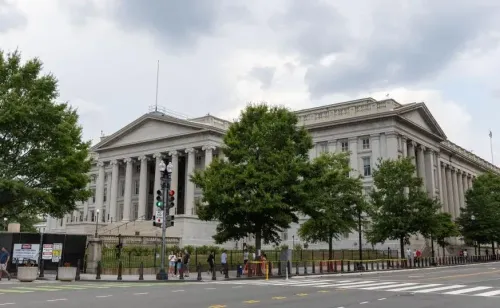
The US Treasury Department's financial intelligence unit has helped intercept nearly $2 billion in stolen funds tied to cyber-enabled fraud, protecting more than 5,700 American individuals and businesses, its director told a congressional panel on 22 July. The disclosure underscores the growing scale of financial crime targeting the United States even as lawmakers clashed over the costs and reach of the country's financial surveillance framework.
Rapid Response Programme: Scale and Reach
Andrea Gacki, director of the Financial Crimes Enforcement Network (FinCEN), told a House Financial Services subcommittee hearing that the agency's Rapid Response Programme — operational since 2015 — works alongside US law enforcement and international partners to recover money wired overseas and return it to defrauded victims.
'Since its inception in 2015, the Rapid Response Program has facilitated the interdiction of nearly $2 billion in stolen proceeds for over 5,700 US individuals and businesses,' Gacki said in her testimony.
The programme's decade-long track record positions it as one of the few mechanisms capable of clawing back cross-border fraud proceeds in near-real time — a capability that investigators say is critical given how quickly illicit funds move through international payment channels.
Huione Group and Major Enforcement Actions
Gacki also highlighted FinCEN's move to sever the Huione Group from the US financial system, describing the entity as responsible for laundering at least $4 billion in illicit proceeds. The agency first acted against the group in October 2025 and followed up last month with further action targeting its successor entities.
The Huione case illustrates a broader enforcement pattern: as FinCEN dismantles one node in a laundering network, successor structures emerge, requiring sustained regulatory pressure rather than one-off actions.
Fraud as a Leading Source of Illicit Finance
Gacki told lawmakers that fraud remains one of the largest generators of illicit proceeds in the United States. FinCEN has identified recurring patterns in schemes targeting government benefit programmes, healthcare, and other public entitlements. The agency has responded by alerting financial institutions, sharing analytical intelligence with law enforcement, and issuing guidance enabling real-time information-sharing on suspected fraud between institutions.
Separately, Gacki said FinCEN is working to make its whistleblower programme fully operational. Treasury Secretary Scott Bessent launched a dedicated website in February to receive confidential tips. A proposed rule issued in April laid out procedures, eligibility criteria, and confidentiality protections for award recipients. 'FinCEN is actively triaging incoming tips and directing them appropriately,' Gacki said, adding that payments will begin once the final rule establishes award criteria.
Congressional Divide Over Financial Surveillance
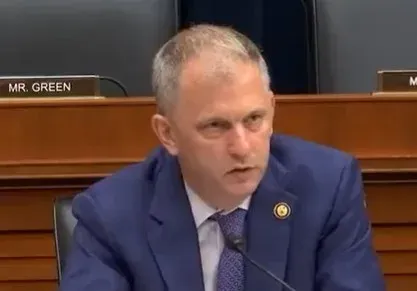
The hearing exposed a sharp partisan rift over the scope of US financial monitoring. Subcommittee Chairman Warren Davidson argued that the system — rooted in the Bank Secrecy Act — had grown disproportionate to its results, noting that financial institutions file nearly 5 million suspicious activity reports and more than 21 million currency transaction reports annually. 'In the half century since, it has grown into a bloated surveillance apparatus demanding endless reports without delivering proportional results,' Davidson said.
Democratic Representative Joyce Beatty pushed back sharply, warning that weakening safeguards would embolden criminals who are increasingly deploying cryptocurrency and artificial intelligence in their schemes. She cited FBI data showing Americans lost nearly $21 billion to cyber-enabled crimes in 2025, up from $16 billion in 2024 — a year-on-year surge of roughly 31%.
What Comes Next
FinCEN, established in 1990 as a bureau of the US Treasury, is expected to finalise its whistleblower award rules, which could generate a new pipeline of tips on financial crime. The agency's ability to expand the Rapid Response Programme and sustain enforcement against successor entities like those of the Huione Group will be closely watched by financial institutions and international regulators alike. With cyber-enabled financial losses accelerating, the pressure on FinCEN to deliver measurable outcomes — not just report volumes — is only set to intensify.
Point of View
But it sits awkwardly against the $21 billion that Americans lost to cyber-enabled crime in 2025 alone — meaning FinCEN's flagship programme has recovered roughly a decade's worth of interceptions against a single year of losses. The Davidson-Beatty clash is not merely procedural: it reflects a genuine tension between compliance fatigue in the financial sector and the accelerating sophistication of fraud networks using AI and crypto. The Huione Group case also raises a structural question — if successor entities can reconstitute quickly after enforcement action, is severing individual nodes sufficient, or does the US need a more disruptive, network-wide approach? FinCEN's whistleblower programme could be a force multiplier, but only if the final award rules are compelling enough to attract high-quality insiders.
NationPress
22 Jul 2026
Frequently Asked Questions
What is FinCEN's Rapid Response Programme?
The Rapid Response Programme is a FinCEN initiative, operational since 2015, that coordinates with US law enforcement and foreign partners to intercept and recover stolen funds sent overseas by cyber fraudsters. It has facilitated the recovery of nearly $2 billion for more than 5,700 US victims.
What is the Huione Group and why did FinCEN act against it?
The Huione Group is an entity that FinCEN identified as responsible for laundering at least $4 billion in illicit proceeds. FinCEN severed it from the US financial system in October 2025 and took further action against its successor entities last month.
How much did Americans lose to cyber-enabled crime in 2025?
According to FBI data cited at the congressional hearing, Americans lost nearly $21 billion to cyber-enabled crimes in 2025, up from $16 billion in 2024 — a year-on-year increase of roughly 31%.
What is the disagreement in Congress over financial surveillance?
Subcommittee Chairman Warren Davidson argued that the Bank Secrecy Act has created a disproportionate compliance burden, with institutions filing nearly 5 million suspicious activity reports and 21 million currency transaction reports annually without proportional results. Representative Joyce Beatty countered that weakening safeguards would expose Americans to greater risk as criminals increasingly use cryptocurrency and AI.
When will FinCEN's whistleblower programme begin making payments?
FinCEN is actively triaging incoming tips, but payments will begin only after the final rule — stemming from a proposed rule issued in April — establishes the criteria for granting awards. Treasury Secretary Scott Bessent launched a dedicated tip website in February.