White House Says Minnesota Fraud Schemes Are 'Done'
Synopsis
The White House declared on 28 May 2026 that fraud schemes in Minnesota exploiting American taxpayer funds are finished, signalling continued federal enforcement action following years of pandemic-relief fraud prosecutions, including the landmark Feeding Our Future case exceeding $250 million.
Key Takeaways
The White House posted on 28 May 2026 that Minnesota's fraud schemes targeting American taxpayers are 'done.' Minnesota was the site of one of the largest COVID-19 relief fraud cases in US history, involving over $250 million in misappropriated funds.
The nonprofit Feeding Our Future was at the centre of the major federal fraud prosecution in the state.
The DOJ COVID-19 Fraud Enforcement Task Force , created in 2022 , coordinated prosecutions spanning unemployment insurance, PPP loans, and nutrition assistance abuse.
Further DOJ announcements on recovered funds and additional indictments are anticipated.
The declaration signals the administration's intent to keep taxpayer-fund accountability as a central public messaging theme.
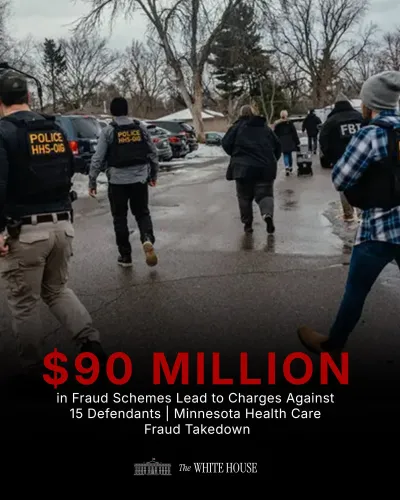
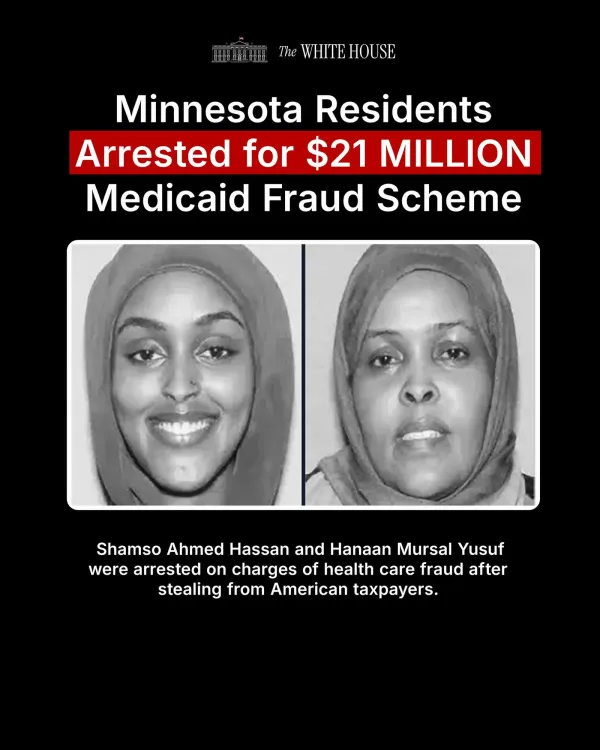
The White House declared on Thursday, 28 May 2026 that fraud schemes in Minnesota targeting American taxpayers have been shut down, posting a blunt announcement on X that signalled a federal crackdown on pandemic-era relief abuse.
Context
The post, issued from the official White House account, stated: 'Minnesota's fraud schemes are finished. The days of scamming American taxpayers are DONE.' The declaration follows years of federal investigation into large-scale misuse of government relief funds distributed through programmes created during the COVID-19 pandemic.
Minnesota became a focal point of national scrutiny after federal investigators uncovered what prosecutors described as one of the largest pandemic-relief fraud cases in United States history, centred on the misuse of nutrition assistance funds.
Policy Backdrop
The fraud investigations in Minnesota stem from the massive federal relief infrastructure built during the pandemic. The American Rescue Plan Act of 2021 expanded funding for nutrition, unemployment insurance, and small-business support — programmes that also attracted large-scale criminal exploitation.
A Minnesota nonprofit called Feeding Our Future was at the centre of a case exceeding $250 million in misappropriated federal funds, making it one of the most prominent COVID-19 fraud prosecutions in the country. The Department of Justice established a dedicated COVID-19 Fraud Enforcement Task Force in 2022 to coordinate prosecutions across states, with Minnesota cases forming a significant part of its caseload.
Federal investigations in the state also covered unemployment insurance fraud and abuse of Paycheck Protection Programme (PPP) loans, reflecting a nationwide wave of exploitation that prosecutors have spent years unwinding.
Stakeholders and Impact
American taxpayers are the primary stakeholders cited by the White House, framing the anti-fraud push as a direct defence of public funds. Minnesota nonprofits and social-service organisations operating legitimately in the state have faced reputational spillover from the high-profile cases.
The announcement is likely to reverberate among congressional Republicans and Democrats alike who have called for stronger programme-integrity rules. Advocacy groups working in food security and pandemic recovery have separately urged the federal government to distinguish between fraud and legitimate beneficiaries as enforcement intensifies.
What's Next
Further announcements from the Department of Justice on recovered funds or additional indictments are expected as task-force prosecutions continue. Congressional committees focused on government oversight may use the White House statement as a platform to advance legislation introducing permanent anti-fraud safeguards in federal relief programmes.
The White House's pointed language — using the word 'DONE' in capitals — suggests the administration intends to make taxpayer-fund accountability a sustained public messaging priority heading into the legislative calendar.
Point of View
Capitalised declaration is a deliberate piece of political communication — framing federal law enforcement success as a populist win for 'American taxpayers' rather than a bureaucratic prosecution milestone. By singling out Minnesota, the administration connects a string of high-profile fraud convictions to a broader narrative of government accountability that has bipartisan appeal. The aggressive tone mirrors a wider pattern of executive-branch announcements designed to pre-empt legislative criticism over pandemic-era spending oversight failures. Whether this signals new enforcement actions or simply marks the conclusion of existing prosecutions will become clear as DOJ disclosures follow.
NationPress
20 Oct 2026
Frequently Asked Questions
What fraud schemes in Minnesota is the White House referring to?
The White House statement refers to large-scale misuse of federal pandemic relief funds in Minnesota, most notably the Feeding Our Future case involving over $250 million in misappropriated nutrition-assistance money, alongside broader COVID-19 relief fraud involving PPP loans and unemployment insurance.
What is Feeding Our Future and why is it significant?
Feeding Our Future was a Minnesota nonprofit at the centre of one of the largest COVID-19 fraud prosecutions in US history, accused of facilitating the theft of more than $250 million in federal nutrition-assistance funds meant for children during the pandemic.
What is the DOJ COVID-19 Fraud Enforcement Task Force?
The Department of Justice established the COVID-19 Fraud Enforcement Task Force in 2022 to coordinate federal prosecutions of pandemic-relief fraud across the United States, covering programmes such as PPP loans, unemployment insurance, and nutrition assistance.
Does the White House announcement mean all Minnesota fraud cases are closed?
The White House post signals that major fraud schemes have been addressed, but further DOJ announcements on recovered funds and additional indictments are expected, suggesting enforcement activity may still be ongoing.
How much taxpayer money was lost to COVID relief fraud in Minnesota?
The Feeding Our Future case alone involved over $250 million in federal funds; total losses across all pandemic-relief fraud categories in Minnesota — including PPP loans and unemployment insurance — are part of a broader nationwide figure still being tallied by federal prosecutors.