USDA Highlights India and China in Agricultural Trade Strategy
Synopsis
The USDA is focusing its agricultural trade strategy on key markets like India and China, revealing new export opportunities amidst ongoing debates over tariffs and food aid policies. This approach aims to bolster US agricultural competitiveness and restore trade balance.
Key Takeaways
Focus on Major Markets: The USDA is prioritizing India and China for agricultural exports.
Trade Balance Goals: The aim is to restore the US agricultural trade balance to a surplus.
New Agreements: Negotiations are ongoing to secure better trade deals.
Domestic Consumption: Increasing US-grown food consumption is essential for farmers' benefits.
Food Aid Initiatives: The USDA is reallocating resources for international food aid programs.
Washington, March 5 (NationPress) The US agricultural trade strategy is increasingly focusing on significant markets like India and China, as stated by the top trade official of the Agriculture Department during a legislative session. He highlighted new avenues for exports, even as lawmakers debated tariffs, food aid policies, and the country's growing agricultural trade deficit.
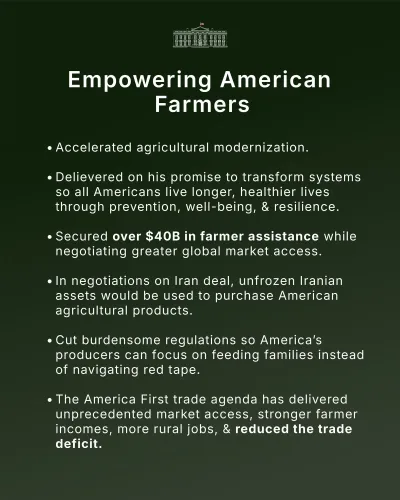
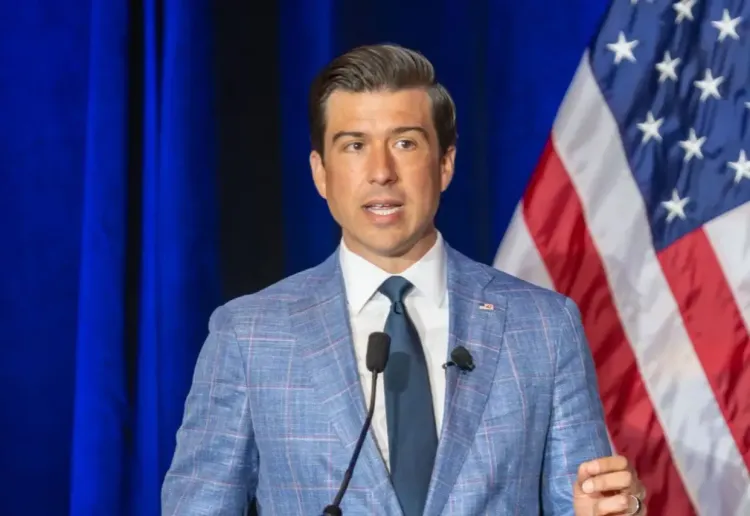
During a session with the House Appropriations subcommittee responsible for agriculture funding on Wednesday (local time), Undersecretary for Trade and Foreign Agricultural Affairs Luke Lindberg emphasized that the administration is adopting an "America First" trade approach, aimed at enhancing the competitiveness of US agriculture on a global scale.
"Our objective is straightforward: to restore equity and reciprocity in international markets and return the agricultural trade balance of America to a surplus," Lindberg articulated to the lawmakers.
He outlined a strategy built on three main pillars: securing improved trade agreements, strengthening buyer-seller relations, and ensuring accountability from trading partners.
Lindberg pointed to recent agreements and ongoing negotiations in Asia, with expanded market access in nations such as Japan, Vietnam, South Korea, and Taiwan. He further emphasized that China represents a crucial market for American agricultural exports.
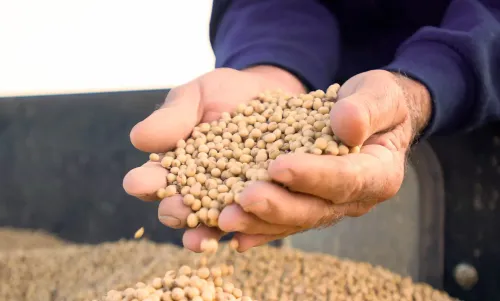
"This year, they have procured 12 million metric tonnes of US soybeans," he noted, adding that President Donald Trump is anticipated to engage with Chinese President Xi Jinping soon to reaffirm trade commitments.
Lawmakers also expressed interest in the emerging opportunities in India, particularly regarding tree nuts and specialty crops. India has a history of imposing steep tariffs on items like pecans, sometimes exceeding 100%.
When questioned about the status of a new agreement with India, Lindberg mentioned that discussions are still underway, being finalized by the Office of the US Trade Representative.
"I expect that pecans will be included in that comprehensive agreement alongside the broader tree nut industry," he stated.
Outside of Asia, Lindberg mentioned that the administration is exploring new trade opportunities in Central America and Europe, including a commitment from Guatemala to import 50 million gallons of US ethanol annually and increased access for American beef and agricultural products in various markets.
"These are concrete commitments," he remarked. "They translate into actual tariff reductions, purchase agreements, and reforms that lead to export growth."
However, the hearing also revealed significant partisan divides regarding the administration's broader agricultural trade and aid policies.
Democrats consistently criticized the tariffs established during the Trump administration, questioning whether they have negatively impacted farmers by increasing input costs and inciting retaliatory measures from trading partners.
Ranking member Sanford D. Bishop Jr. cautioned that the administration's trade policies have intensified pressures on American producers.
He also expressed concerns regarding the transfer of the longstanding Food for Peace program from the US Agency for International Development to the Agriculture Department.
This program provides US-grown food aid to at-risk populations globally. Under the new arrangement, the USDA has already announced plans to allocate $452 million to acquire 211,000 metric tons of American commodities for delivery to several countries through the World Food Programme.
At the same time, multiple lawmakers pressed Lindberg on plans to reduce imports and bolster domestic production.
Lindberg acknowledged the heavy import reliance in certain sectors. "We import roughly 75% of our seafood," he pointed out, suggesting that domestic producers could potentially fulfill a larger share of the market.
He predicted improvements in the agricultural trade balance, forecasting that the deficit might decrease to approximately $29 billion this year.
Lindberg contended that increasing exports while enhancing domestic consumption of US-produced food will ultimately benefit American farmers.
"Our goal is to produce more domestically, consume more of what we produce, and export more as well," he concluded.
Point of View
The administration aims to address the growing agricultural trade deficit while navigating partisan concerns over tariffs and food aid policies.
NationPress
24 Sept 2026
Frequently Asked Questions
What is the USDA's new agricultural trade strategy?
The USDA is focusing on major markets like India and China, aiming to enhance agricultural competitiveness and restore trade balance through better agreements and stronger relationships.
How is the USDA addressing concerns over tariffs?
The USDA acknowledges bipartisan concerns regarding tariffs and aims to ensure that trade policies do not negatively impact American farmers.
What are the key markets highlighted by the USDA?
The USDA emphasizes India and China as key markets for US agricultural exports, along with recent agreements in Asia and commitments from Central America.
What impact will the USDA's strategy have on farmers?
The strategy aims to increase exports while enhancing domestic consumption, which could ultimately benefit American farmers by improving their market conditions.
What is the Food for Peace program?
The Food for Peace program provides US-grown food aid to vulnerable populations globally, with recent funding announced by the USDA for international food assistance.