U.S. Officials Announce Strong Recovery in Farm Exports
Synopsis
U.S. trade and agriculture officials reveal a resurgence in American farm exports, backed by eight new trade agreements designed to restore market access and bolster the global standing of U.S. farmers. Discover how these developments impact the agricultural landscape.
Key Takeaways
U.S. farm exports are experiencing a robust recovery.
Eight new reciprocal trade agreements have been signed.
Market access for U.S. agriculture is being restored.
Key countries involved include Malaysia , Cambodia , Argentina , and Bangladesh .
Support from the Department of Agriculture includes significant funding for market promotion.
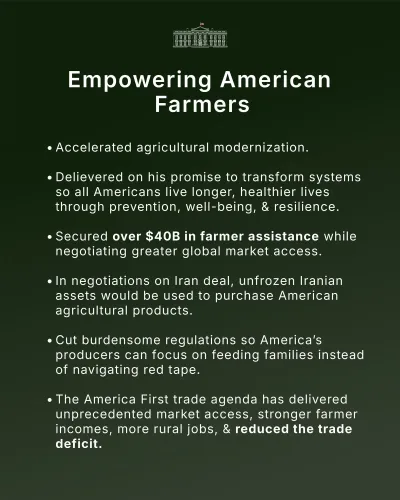
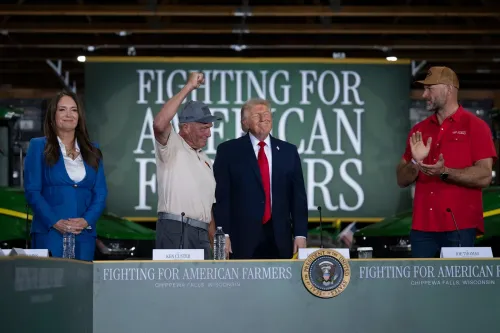
Washington, March 3 (NationPress) The leading trade and agriculture officials of the United States have announced that American farm exports are "back in business," asserting that a series of eight new reciprocal trade agreements, along with a robust export initiative, is revitalizing market access and placing U.S. farmers at the forefront of the global economy.
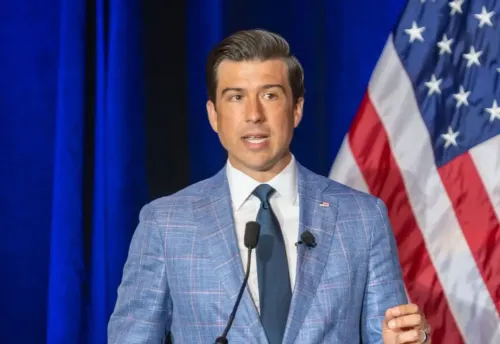
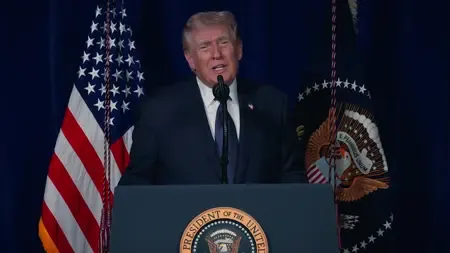
In an opinion piece published in The Hill, U.S. Trade Representative Jamieson Greer and Agriculture Secretary Brooke Rollins stated, "U.S. agriculture is thriving again, and the global market is responding positively," as they outlined a dual strategy implemented under President Donald Trump.
“When we engage with farmers and ranchers nationwide, their concerns about surviving another season are evident,” they noted. “Many are still grappling with the challenges posed during the four years of the Biden administration, struggling with planting, financing their operations, and retaining ownership of their land.”
They emphasized that “Joe Biden did not sign any new trade agreements during his four-year tenure, causing American agriculture to lose valuable market access worldwide,” which they believe made President Trump’s America First trade policy particularly timely.
As detailed in the op-ed, the Office of the U.S. Trade Representative has finalized “eight reciprocal trade agreements thus far and is on track to finalize additional deals in 2026.” They indicated that the leverage gained through tariffs has served as “a wake-up call for trading partners,” who “must ensure fair treatment for American farmers and ranchers.”
Among the completed deals are agreements with Malaysia and Cambodia, which have “opened up markets for a variety of U.S. agricultural products, including beef, pork, poultry, and rice.” Furthermore, a separate agreement with the United Kingdom has created significant opportunities for U.S. beef and $700 million worth of ethanol exports.
In Central America, El Salvador has signed an agreement to “eliminate unnecessary fumigation and certification requirements for U.S. grains,” while Guatemala has committed to purchasing “a minimum of 50 million gallons annually” of U.S. ethanol under a reciprocal trade agreement.
Additionally, agreements were reached with Argentina and Bangladesh in February, with Argentina offering “duty-free access for a wide range of U.S. agricultural products,” and Bangladesh committing to purchasing U.S. soybeans, soybean meal, and wheat valued at over $2 billion.
A partnership with Taiwan features “preferential market access and the lowering or removal of tariffs on nearly all U.S. agricultural products,” alongside commitments to protect U.S. market access for cheese and meat producers reliant on common product names.
The Department of Agriculture is supporting this trade initiative through export promotion efforts. Last year, it invested “over $250 million in market promotion” and facilitated 10 trade missions, which included “seven agribusiness missions and three Trade Reciprocity missions for U.S. Manufacturers and Producers.”
“For America’s farmers, trade is not merely a theoretical policy. It distinguishes between surplus and adversity, stability and uncertainty,” the officials remarked, stressing that “President Trump is dedicated to prioritizing Farmers by opening new markets, revitalizing rural prosperity, and ensuring that when American producers compete, they succeed.”
Agriculture remains fundamental to U.S. trade policy, with farm exports being vital to the overall trade of goods. The United States ranks among the globe's leading exporters of corn, soybeans, wheat, meat, and ethanol, and access to international markets directly influences farm revenues and rural employment.
Point of View
Emphasizing a renewed focus on global market access. This approach aims to support farmers who have faced challenges in recent years, reflecting a commitment to revitalizing rural economies.
NationPress
29 Sept 2026
Frequently Asked Questions
What recent agreements have been made to boost U.S. farm exports?
Eight new reciprocal trade agreements have been signed, including deals with Malaysia, Cambodia, Argentina, and Bangladesh, aimed at improving market access for U.S. agricultural products.
How has the Biden administration impacted U.S. agriculture?
The Biden administration did not sign any new trade agreements during its four years, which led to a loss of market access for American agriculture, according to U.S. trade officials.
What role does agriculture play in U.S. trade?
Agriculture is a crucial sector in U.S. trade policy, with significant exports of corn, soybeans, wheat, meat, and ethanol, directly impacting farm incomes and rural employment.
What is the significance of the new trade policies?
The new trade policies aim to restore market access and enhance the competitiveness of U.S. farmers in the global economy, emphasizing fairness in trade relations.
How is the Department of Agriculture supporting these initiatives?
The Department of Agriculture is investing over $250 million in market promotion and has organized numerous trade missions to facilitate the export of U.S. agricultural products.