USS George Washington rearms in Arabian Sea amid Iran strike fears
Synopsis
The USS George Washington is replenishing combat supplies in the Arabian Sea, border crossings into Iran are tightening from Iraq and Pakistan, and US intelligence has flagged its highest threat assessment since the conflict began — yet President Trump has still not issued a strike order, leaving the world watching a pressure campaign that could tip into war or a deal at any moment.
Key Takeaways
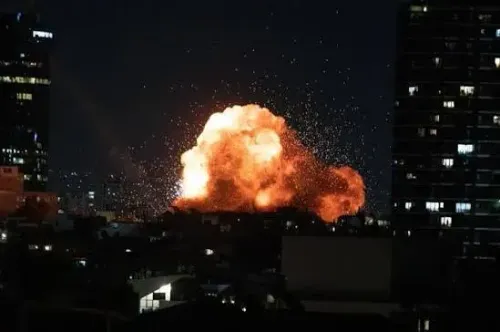
The USS George Washington conducted a major replenishment operation in the Arabian Sea , which reports describe as preparation for a potentially larger bombing campaign against Iran .
The Washington Post reported plans to position up to three aircraft carriers in the region by November , citing unnamed officials.
Iraq closed the Sheeb crossing and Pakistan restricted Iranian trucks at Gabd and Taftan , tightening Tehran’s land trade routes.
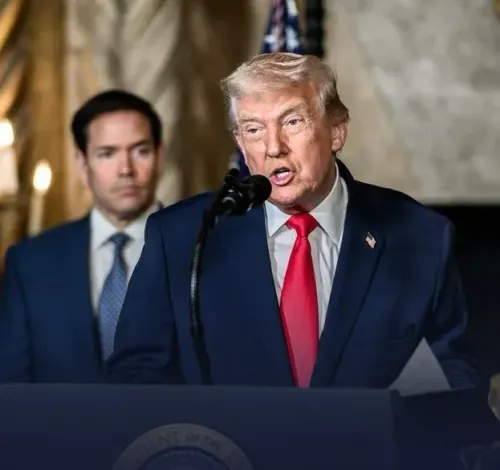
President Donald Trump , speaking on 25 October , left both military action and a diplomatic deal open, saying: ‘I may have to finish it off or maybe they’ll make a deal.’ A 23 October intelligence memo from DNI Jay Clayton to Secretary of State Marco Rubio assessed threats against Americans as their highest since the conflict began.
The conflict originated with US and Israeli strikes on Iran in February , followed by Iranian retaliatory attacks across the region.
A US aircraft carrier is replenishing combat supplies in the Arabian Sea amid reports of preparations for possible renewed strikes against Iran, while border restrictions at Iraqi and Pakistani crossings are deepening Tehran's economic isolation, according to reporting by The Wall Street Journal. Neither report establishes that President Donald Trump has issued an order for a fresh bombing campaign.
Carrier Operations and Military Positioning
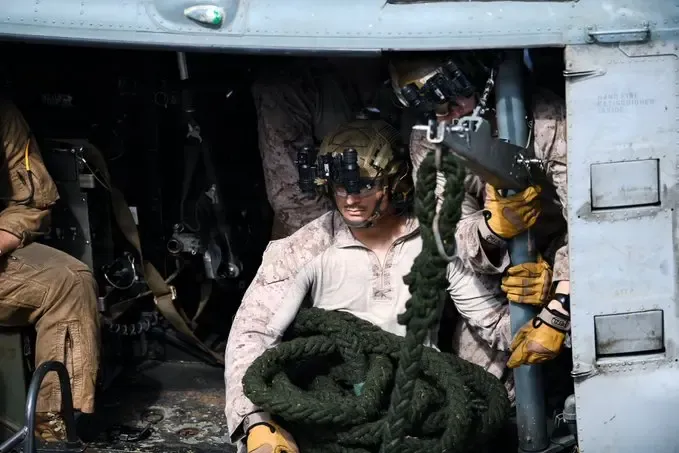
In a video report published on Saturday, 25 October, The Wall Street Journal's Shelby Holliday described night-time aircraft launches and recoveries aboard the USS George Washington in the Arabian Sea, followed by a significant replenishment operation. According to the report, aircraft from the carrier have been enforcing a blockade of Iranian ports and protecting commercial shipping through the Strait of Hormuz. The replenishment was characterised in the report as indicative of preparations for a potentially larger bombing campaign.
Separately, The Washington Post reported — citing unnamed officials — that the United States was positioning up to three aircraft carriers and escort vessels in the region by November. That report has not been independently verified.
Land Border Restrictions Squeeze Iran's Trade
On land, Iraq closed the Sheeb crossing on Wednesday, citing anti-smuggling enforcement, according to The Wall Street Journal. Pakistan separately restricted Iranian trucks at the Gabd and Taftan border crossings during the preceding weekend, citing security concerns. The Journal noted that these restrictions predated its Friday report and were not announced as new closures on Saturday. Together, they add to the economic pressure Tehran has faced since the United States established a blockade of Iranian ports earlier this year.
Trump Leaves Military and Diplomatic Options Open
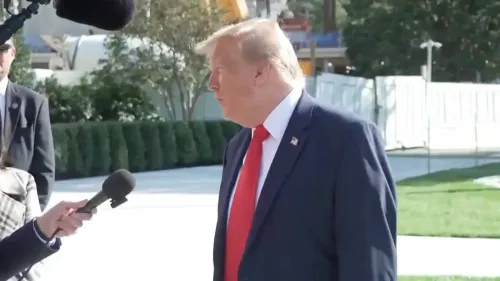
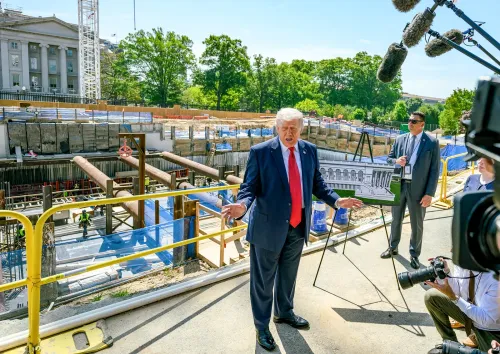
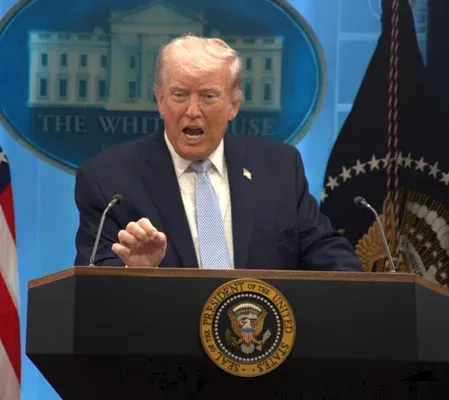
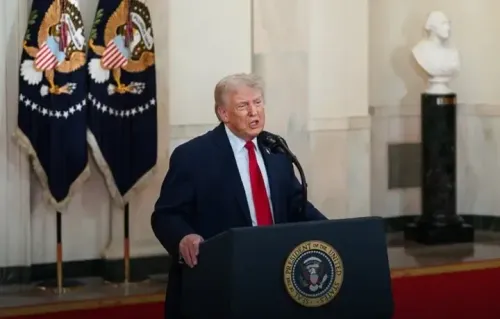
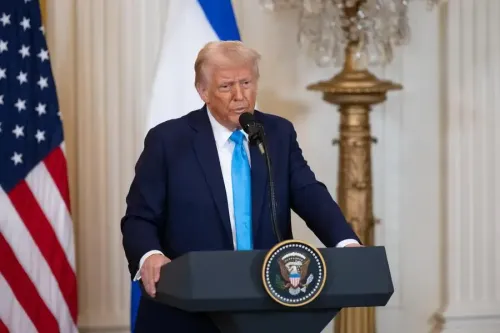
Speaking after casting an early vote in Palm Beach, Florida, on Saturday, President Trump again declined to commit to a specific course of action. “I may have to finish it off or maybe they’ll make a deal, but I’m not sure,” he said. Asked about the timing of a possible strike, Trump declined to disclose his thinking, saying an attack remained possible but so did an agreement — while questioning whether Iran would honour any deal reached. He announced neither a military timetable nor a negotiated settlement during the exchange.
US Intelligence Flags Elevated Threat Levels
The New York Times separately reported that US intelligence agencies assessed threats against Americans in the Middle East and several other countries as their highest since the conflict began, citing unnamed US officials. The report described potential targets in Europe and intelligence suggesting Iran might have operatives inside the United States. However, another official cautioned that Iran’s capacity to conduct overseas attacks was limited and fell short of its ambitions. Those assessments were not independently verified.
The warning was conveyed in an October 23 memo from Director of National Intelligence Jay Clayton to Secretary of State Marco Rubio. A US official had previously confirmed the memo and indicated that threats from Iran and Yemen’s Houthi forces were informing embassy staffing decisions. “When it comes to our staffing at embassies, we constantly evaluate new information about the security environment,” the official said.
Background: How the Conflict Reached This Point
The current standoff traces back to US and Israeli strikes on Iran in February, which were followed by Iranian retaliatory attacks across the region. Washington subsequently maintained a blockade of Iranian ports while diplomatic efforts continued in parallel. The combination of military pressure and economic isolation represents a dual-track strategy, though critics argue such an approach risks miscalculation on both sides. As of 25 October, no formal ceasefire or negotiated framework has been announced, and the situation remains fluid.
Point of View
A three-carrier positioning report, and simultaneous land-border closures suggests a coordinated pressure campaign rather than isolated incidents — yet Trump’s continued ambiguity is itself a strategic tool, keeping Tehran uncertain. What mainstream coverage underplays is the economic dimension: the Sheeb, Gabd, and Taftan restrictions, however quietly implemented, compound the port blockade into a near-comprehensive squeeze on Iranian commerce. The intelligence memo’s warning about potential Iranian operatives inside the United States raises the stakes further, but one unnamed official’s caveat — that Iran’s overseas attack capacity is limited — suggests the threat picture is contested even within the US government. The real risk is not a deliberate war but a miscalculation on either side while both parties publicly hold out the possibility of a deal.
NationPress
25 Oct 2026
Frequently Asked Questions
What is the USS George Washington doing in the Arabian Sea?
According to The Wall Street Journal, the USS George Washington has been conducting night-time aircraft operations enforcing a blockade of Iranian ports and protecting shipping in the Strait of Hormuz, followed by a major replenishment operation. The report characterised the resupply as preparation for a potentially larger bombing campaign against Iran, though no strike order has been confirmed.
Has President Trump ordered strikes on Iran?
No strike order has been reported or confirmed as of 25 October. Trump, speaking after voting early in Palm Beach, Florida, said ‘I may have to finish it off or maybe they’ll make a deal, but I’m not sure,’ leaving both military action and a diplomatic agreement as live possibilities.
Why have Iraq and Pakistan restricted border crossings with Iran?
Iraq closed the Sheeb crossing citing anti-smuggling enforcement, while Pakistan restricted Iranian trucks at the Gabd and Taftan crossings citing security concerns, according to The Wall Street Journal. These restrictions, which predated the Journal’s Friday report, add to the economic pressure Tehran has faced from the US-led port blockade in place since earlier this year.
What did the US intelligence memo say about threats from Iran?
A 23 October memo from Director of National Intelligence Jay Clayton to Secretary of State Marco Rubio assessed threats against Americans in the Middle East and several other countries as their highest since the conflict began, according to The New York Times. The report cited potential targets in Europe and intelligence suggesting Iran may have operatives inside the United States, though one official cautioned that Iran’s overseas attack capability was limited.
How did the current US-Iran conflict begin?
The conflict began with US and Israeli strikes on Iran in February, which were followed by Iranian retaliatory attacks across the region. Washington subsequently established a blockade of Iranian ports while diplomatic efforts continued in parallel, leading to the current standoff.