Uyghur activists urge Canada to challenge China on Xinjiang abuses during Wang Yi visit
Synopsis
As China's top diplomat lands in Ottawa for the first bilateral visit in nearly a decade, Uyghur activists are drawing a hard line: no diplomatic reset without accountability. The URAP's warning — that Canada risks complicity in what it calls a genocide by signing agreements with Beijing — puts Prime Minister Carney in an uncomfortable spotlight before any joint statement is even drafted.
Key Takeaways
Chinese Foreign Minister Wang Yi arrived in Ottawa on 28 May for a three-day visit — the first by a Chinese FM to Canada in nearly a decade.
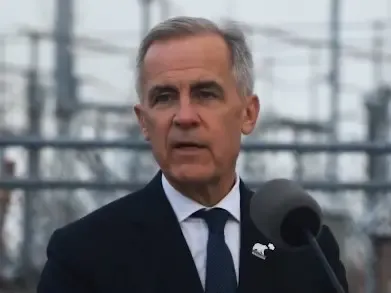
The Uyghur Rights Advocacy Project (URAP) urged PM Mark Carney and FM Anita Anand to publicly raise mass detention, forced labour, and transnational repression against Uyghurs in Xinjiang .
URAP warned that advancing strategic agreements with Beijing without human rights conditions risks undermining Canada's own commitments.
The group raised concerns over reportedly undisclosed RCMP –China law enforcement cooperation agreements lacking parliamentary scrutiny.
URAP renewed calls for Beijing to release Huseyin Celil , a Uyghur-Canadian imprisoned in China since 2006 .
The group also flagged risks of expanded visa-free travel enabling transnational repression of diaspora communities in Canada.
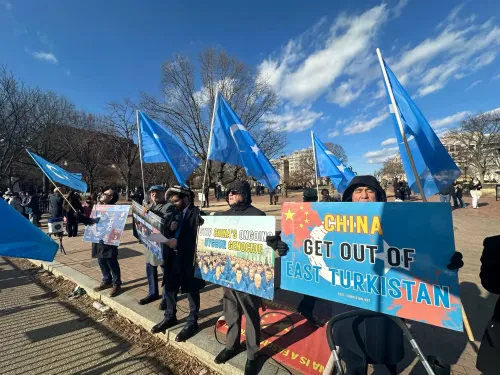
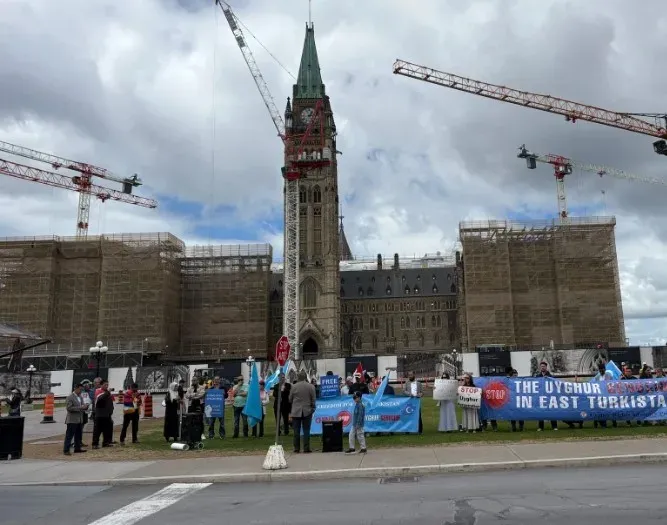
As Chinese Foreign Minister Wang Yi arrived in Ottawa for high-level bilateral talks, the Canada-based Uyghur Rights Advocacy Project (URAP) on 29 May called on the Canadian government to publicly confront China's human rights record in Xinjiang and reject any diplomatic reset that sidelines accountability.
The Visit and Its Context
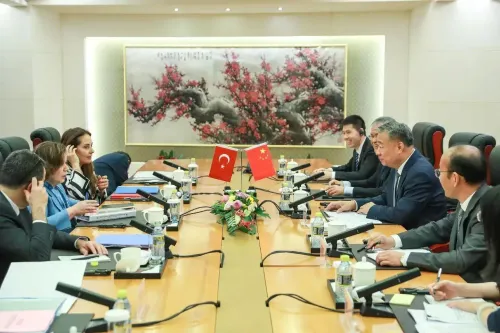
Wang Yi's three-day visit — from 28 to 30 May — is reportedly aimed at deepening bilateral cooperation through trade and strategic agreements. It is the first visit by a Chinese Foreign Minister to Canada in nearly a decade, and arrives at a moment when both governments are said to be exploring renewed economic engagement.
The URAP urged Canadian Prime Minister Mark Carney and Foreign Minister Anita Anand to raise specific concerns directly with Wang Yi, including the mass detention and surveillance of Uyghurs in East Turkistan — also known as the Xinjiang Uyghur Autonomous Region — as well as ongoing forced labour and supply-chain abuses.
Key Demands from URAP
The advocacy group warned that advancing memoranda of understanding and broader strategic partnership agreements with Beijing while what it describes as a 'genocide' and 'transnational repression' against Uyghurs continues would risk undermining Canada's own human rights commitments.
URAP also raised concerns over reportedly undisclosed Canada–China law enforcement cooperation agreements and Royal Canadian Mounted Police (RCMP) memoranda of understanding involving information sharing, investigative assistance, and coordination with Chinese public security authorities. Critics cited by the group argue such arrangements lack transparency and parliamentary scrutiny, and may expose vulnerable diaspora communities to further risk.
The Case of Huseyin Celil
The group renewed calls for Canada to press Beijing on the case of Huseyin Celil, a Uyghur-Canadian citizen who has remained imprisoned in China since 2006 after being detained during a visit to Uzbekistan and subsequently transferred to Chinese custody. His family and supporters have long criticised Beijing for refusing to recognise his Canadian citizenship and denying meaningful consular access.
'The continued imprisonment of Huseyin Celil is a painful reminder that Canadian citizens are not protected when the government prioritises diplomatic convenience over human rights,' said URAP Executive Director Mehmet Tohti.
Concerns Over Visa-Free Travel and Transnational Repression
URAP also raised alarm over expanded visa-free travel arrangements with China, arguing that closer mobility and diplomatic normalisation should not proceed while Beijing continues to persecute Uyghurs, silence dissidents, and intimidate diaspora communities abroad.
'Greater openness with China could increase opportunities for transnational repression, including surveillance, coercion, and intimidation of activists and community members living in Canada and other democratic countries, and therefore should be approached with strong safeguards and clear human rights conditions,' the group stated.
'We cannot normalise relations with the Chinese government while Uyghurs remain imprisoned, families are separated, and survivors of repression continue to seek justice. Economic cooperation must never come at the expense of human rights,' Tohti added.
What Comes Next
The outcome of Wang Yi's talks with Canadian officials is expected to signal how much weight Ottawa assigns to human rights conditions in its recalibrated relationship with Beijing. Rights groups and diaspora communities will be watching closely for any joint statements or agreements that emerge before the visit concludes on 30 May.
Point of View
The leverage to attach human rights conditions largely disappears. The Huseyin Celil case is a particularly sharp test — a Canadian citizen imprisoned for nearly two decades with Beijing refusing consular access is not a peripheral grievance but a direct affront to Canadian sovereignty. Ottawa's willingness, or reluctance, to raise these issues publicly during the visit will reveal whether its human rights rhetoric is policy or performance.
NationPress
19 Sept 2026
Frequently Asked Questions
Why is Chinese Foreign Minister Wang Yi visiting Canada?
Wang Yi is in Ottawa from 28 to 30 May for high-level bilateral talks reportedly aimed at deepening trade and strategic cooperation between Canada and China. It is the first visit by a Chinese Foreign Minister to Canada in nearly a decade.
What is the Uyghur Rights Advocacy Project asking Canada to do?
URAP is urging Prime Minister Mark Carney and Foreign Minister Anita Anand to publicly raise the mass detention of Uyghurs in Xinjiang, forced labour in supply chains, and Beijing's transnational repression of diaspora communities during their meetings with Wang Yi. The group also wants Canada to withhold new agreements until human rights conditions are met.
Who is Huseyin Celil and why does his case matter?
Huseyin Celil is a Uyghur-Canadian citizen who has been imprisoned in China since 2006, after being detained in Uzbekistan and transferred to Chinese custody. His case is significant because Beijing has refused to recognise his Canadian citizenship and denied meaningful consular access, raising direct questions about Canada's ability to protect its own citizens.
What concerns has URAP raised about RCMP agreements with China?
URAP has flagged reportedly undisclosed memoranda of understanding between the Royal Canadian Mounted Police and Chinese public security authorities covering information sharing, investigative assistance, and coordination. Critics cited by the group argue these agreements lack transparency and parliamentary oversight, and could expose vulnerable diaspora communities to risk.
Why is URAP concerned about expanded visa-free travel with China?
The group argues that greater mobility and diplomatic normalisation with Beijing could create new channels for transnational repression — including surveillance, coercion, and intimidation — targeting Uyghur activists and diaspora members living in Canada and other democracies. URAP says any such arrangements must come with strong safeguards and clear human rights conditions.