Tibet activist Zhang Yi detained for showing Dalai Lama photo amid new law

Synopsis
A Wuhan activist with a three-decade history of dissent was arrested in Lhasa on the very first day China's new ethnic unity law came into force — reportedly for showing a photo of the Dalai Lama. Rights groups say the timing is no accident: Beijing may be using the law to signal a new threshold of severity in Tibet.
Key Takeaways
Zhang Yi , a Wuhan-born activist, was arrested on 1 July 2025 in Lhasa after allegedly showing a photo of the Dalai Lama on his phone at Sera Monastery .
His detention was escalated from 15-day administrative to criminal detention on 18 July , with an alleged charge of 'incitement'; no formal notice has been issued.
The arrest coincided with the first day of enforcement of China's National Ethnic Unity and Progress Promotion Law .
Zhang has a documented history of persecution dating to the 1989 Tiananmen crackdown , including imprisonment and reported torture at Hongshan Prison .
Ryan Fioresi of the International Campaign for Tibet has called the new law a legal framework for forced assimilation, urging governments to press Beijing to resume talks with the Dalai Lama .
Wuhan-born activist Zhang Yi was arrested on 1 July 2025 in Lhasa, Tibet, reportedly after showing a photograph of Tibetan spiritual leader Dalai Lama on his phone to a local monk — an act that triggered immediate police intervention. The detention has drawn sharp concern from Tibetan human rights defenders, who note that the arrest coincided with the first day of enforcement of China's National Ethnic Unity and Progress Promotion Law.
How the Arrest Unfolded
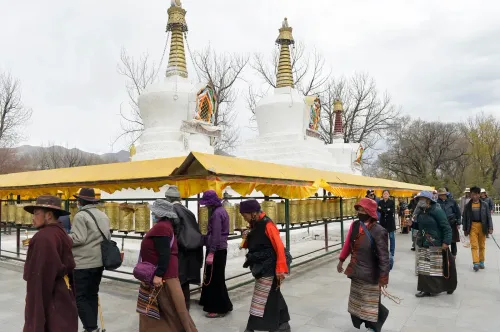
Zhang had travelled to Lhasa with his younger brother after the two secured permission — through repeated requests — to visit Xinjiang and Tibet. During a visit to Sera Monastery in Lhasa, the brothers attempted to borrow a prayer mat from a Tibetan worshipper. Unable to communicate verbally, Zhang showed a picture of the Dalai Lama on his phone. Police intervened shortly afterwards and detained both men.
Zhang's brother was released after providing a statement. Zhang himself was initially held under 15-day administrative detention. On 18 July, his family received a call informing them that his status had been escalated to criminal detention on an alleged charge of 'incitement.' No formal written notice has been issued, and his precise place of detention remains unknown, according to reports citing the religious-freedom publication Bitter Winter.
Who Is Zhang Yi
Born in Wuhan in 1968, Zhang was a law student at Wuhan University during the 1989 pro-democracy protests and emerged as one of the city's student leaders. Following the crackdown, he was sentenced to two years in prison for 'gathering crowds to disrupt traffic' and served his term at Hongshan Prison, where he was reportedly tortured — leaving him permanently deaf in one ear.
After his release, Zhang continued to voice dissenting views and publicly marked the Tiananmen Square massacre anniversary each year, prompting local authorities to designate him a 'key individual' for stability monitoring. In 2018, he was placed under administrative detention after sharing an image of the 'symbolic tomb' of Nobel laureate Liu Xiaobo online and helping organise commemorative events. Later that same year, he was reportedly intercepted and beaten by police officers from multiple jurisdictions after refusing to comply with 'stability maintenance' demands.
The New Law's Shadow
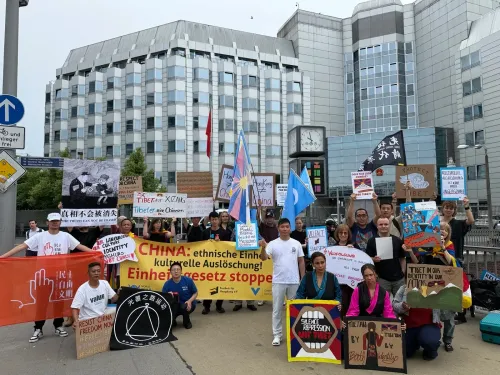
Rights observers argue that the timing of Zhang's arrest — on the very first day of the National Ethnic Unity and Progress Promotion Law's enforcement — may not be coincidental. According to the Bitter Winter report, the opaque handling of the case suggests that local authorities may have used the occasion to demonstrate the severity of the new legislation.
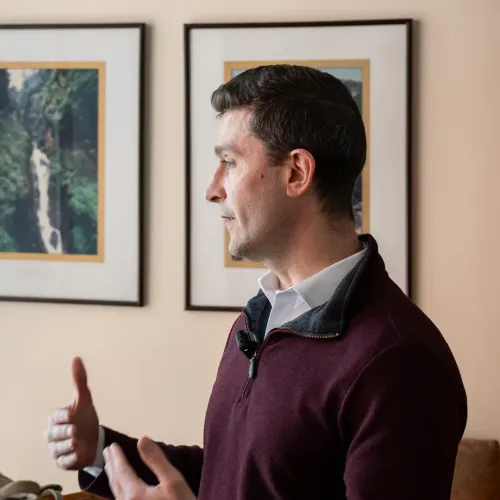
Ryan Fioresi, Executive Director of the International Campaign for Tibet (ICT), has described the law as providing legal cover for Beijing's forced assimilation policies in Tibet. 'The Chinese government just implemented on July 1st the Ethnic Unity and Progress Law, which codifies many of Beijing's forced assimilation policies into Chinese law,' Fioresi said. He added that 'many of the stipulations in the Ethnic Unity and Progress Law contravene China's own constitution and its international human rights commitments.'
International Calls for Action
Fioresi characterised the situation inside Tibet as 'quite grim,' stating that 'the human rights abuses are escalating from the Chinese government.' He urged the United States and other governments to press Beijing to resume negotiations with the Dalai Lama or his representatives. The ICT has also called on governments, the United Nations, and interfaith leaders to speak out against what it describes as China's effort to erase Tibetan identity.
With no formal notice issued and Zhang's location undisclosed, his family and rights groups are watching closely for any further escalation — particularly given his decades-long record as a target of Chinese state surveillance.
Point of View
Domestically and internationally, of what enforcement will look like. What makes this case significant is not just the individual but the pattern: a law that rights groups say contradicts China's own constitution is now being road-tested on a man with a 35-year surveillance file. The absence of any formal detention notice is itself a tactic — it maximises uncertainty for the family while insulating authorities from procedural scrutiny. The international community's response, so far largely limited to statements, has done little to alter Beijing's calculus in Tibet.
NationPress
23 Oct 2026
Frequently Asked Questions
Why was Zhang Yi arrested in Tibet?
Zhang Yi was reportedly arrested on 1 July 2025 at Sera Monastery in Lhasa after showing a photograph of the Dalai Lama on his phone to a Tibetan worshipper. Police intervened immediately and detained both Zhang and his brother, though his brother was later released.
What is China's National Ethnic Unity and Progress Promotion Law?
It is a Chinese law that came into force on 1 July 2025, which rights groups say codifies Beijing's forced assimilation policies in Tibet and other minority regions into statute. The International Campaign for Tibet argues that several of its provisions contradict China's own constitution and international human rights obligations.
What is Zhang Yi's background?
Zhang Yi, born in Wuhan in 1968, was a student leader at Wuhan University during the 1989 pro-democracy protests. He was subsequently imprisoned for two years and reportedly tortured at Hongshan Prison, leaving him permanently deaf in one ear. He has since faced repeated detentions and beatings for marking Tiananmen anniversaries and other acts of dissent.
What charges does Zhang Yi face?
As of 18 July, Zhang Yi is reportedly held under criminal detention on an alleged charge of 'incitement.' No formal written notice has been issued to his family, and his place of detention remains unknown, according to reports.
What are rights groups demanding?
The International Campaign for Tibet has urged the United States and other governments to press Beijing to resume negotiations with the Dalai Lama or his representatives. The organisation has also called on the United Nations and interfaith leaders to speak out against what it describes as China's systematic effort to erase Tibetan identity.