Tibetan youth rally in Gangtok protests China's Ethnic Unity Law
Synopsis
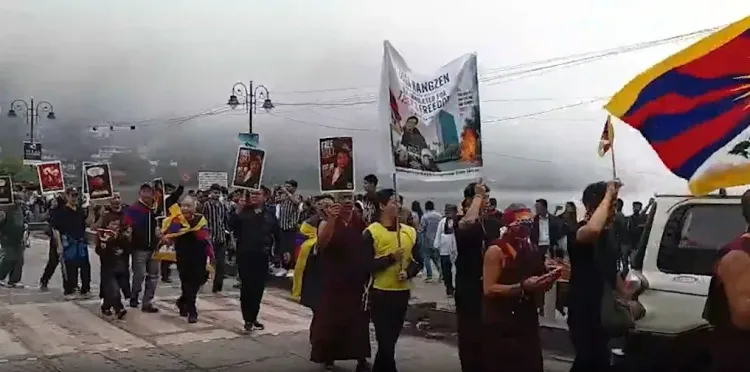
Tibetan youth took to the streets of Gangtok on 8 August as part of a global TYC-led protest chain, targeting China's 'Ethnic Unity Law' — legislation they allege is designed to erase Tibet's distinct identity. The rally, which included a tribute to self-immolation martyr Lobga Rangzen, signals a coordinated escalation in the diaspora's international advocacy push.
Key Takeaways
The Regional Tibetan Youth Congress (RTYC) held a peaceful rally in Gangtok, Sikkim on 8 August as part of a global Tibetan Youth Congress (TYC) protest campaign.
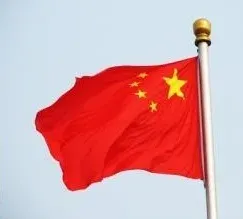
Protesters opposed China's 'Ethnic Unity Law' , alleging it accelerates forced assimilation and threatens Tibetan language, religion, and cultural identity.
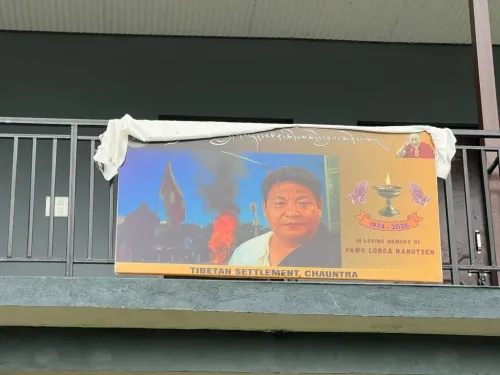
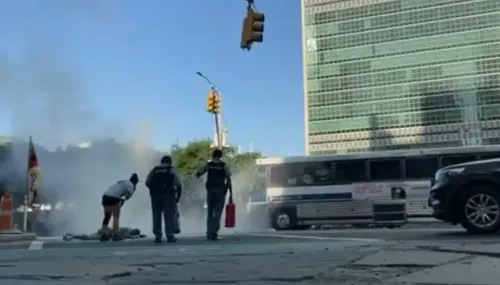
The rally included a tribute to Martyr Lobga Rangzen , who reportedly self-immolated before the UN Headquarters to highlight Tibet's situation.
Demonstrators demanded the release of political prisoners in Tibet and called for international accountability over alleged human rights violations.
The Gangtok rally was part of a global series of demonstrations by Tibetan groups urging greater UN and government attention to Tibet.
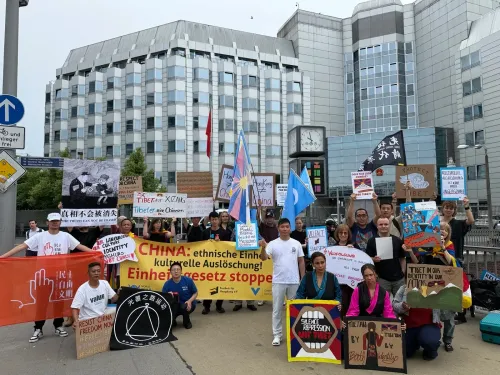
Members of the Regional Tibetan Youth Congress (RTYC) staged a peaceful demonstration in Gangtok, Sikkim, on Saturday, 8 August, as part of a coordinated global protest campaign led by the Tibetan Youth Congress (TYC) against China's controversial 'Ethnic Unity Law'. The rally brought together RTYC members and local supporters who raised slogans and carried banners highlighting what they described as deepening political and cultural repression in Tibet.
Tribute to Martyr Lobga Rangzen
A solemn moment during the rally was the tribute paid to Martyr Lobga Rangzen, who, according to the organisers, self-immolated in front of the United Nations Headquarters to draw global attention to the Tibetan cause. Participants reiterated demands for justice, freedom, and sustained international focus on Tibet, invoking Rangzen's sacrifice as a symbol of the movement's resolve.
Concerns Over the 'Ethnic Unity Law'
Protesters alleged that China's 'Ethnic Unity Law' could accelerate the forced assimilation of ethnic communities living under Chinese rule. They claimed the legislation poses a direct threat to the preservation of Tibetans' distinct national identity, language, religious practices, and cultural heritage. The RTYC urged the United Nations and the broader international community to recognise what they termed a continuing human rights crisis in Tibet.
Demands for Accountability and Release of Political Prisoners
Beyond opposing the law, demonstrators called for accountability over alleged political repression and demanded the release of political prisoners held in Tibet. They appealed to governments and international organisations to maintain vigilance over developments in the region and to uphold Tibetans' fundamental rights and freedoms.
Part of a Global Chain of Protests
The Gangtok demonstration was one node in a wider series of rallies organised by Tibetan groups across multiple countries, all aimed at amplifying concerns over China's policies in Tibet and building international support for the Tibetan cause. Organisers emphasised that the peaceful, democratic character of the protests reflects the movement's commitment to non-violent advocacy. Participants asserted that the global campaign for Tibetan identity and political rights remains unified and called on the international community to sustain its engagement.
Point of View
Which is precisely why diaspora groups are escalating street-level visibility. The tribute to Lobga Rangzen underscores a pattern: self-immolation as political testimony has become a recurring motif in Tibetan advocacy, yet it rarely translates into binding UN action. The real test for the TYC's global protest chain is whether coordinated demonstrations can convert moral sympathy into diplomatic leverage — something the movement has struggled to achieve for decades.
NationPress
23 Sept 2026
Frequently Asked Questions
What is China's 'Ethnic Unity Law' and why are Tibetans protesting it?
China's 'Ethnic Unity Law' is legislation that Tibetan groups allege is designed to accelerate the assimilation of ethnic minorities, threatening their distinct language, religion, and cultural identity. Protesters argue it deepens political and cultural repression in Tibet and have called on the international community to oppose it.
Where and when did the Gangtok Tibetan rally take place?
The rally was held in Gangtok, the capital of Sikkim, on Saturday, 8 August, organised by the Regional Tibetan Youth Congress (RTYC) as part of a global protest chain led by the Tibetan Youth Congress (TYC).
Who is Martyr Lobga Rangzen?
According to the rally organisers, Lobga Rangzen self-immolated in front of the United Nations Headquarters to draw international attention to the situation in Tibet. Participants paid tribute to him during the Gangtok demonstration and invoked his sacrifice in their demands for justice and freedom.
What did the protesters demand?
Demonstrators demanded that the United Nations and governments worldwide take greater cognisance of what they described as a human rights crisis in Tibet, called for the release of political prisoners, and urged accountability for alleged political repression.
Is this protest limited to India?
No. The Gangtok rally was part of a wider global series of demonstrations organised by Tibetan groups across multiple countries, all coordinated under the Tibetan Youth Congress to highlight concerns over China's policies in Tibet.