Tibetan activist Lobga Rangzen dies after self-immolation outside UN headquarters
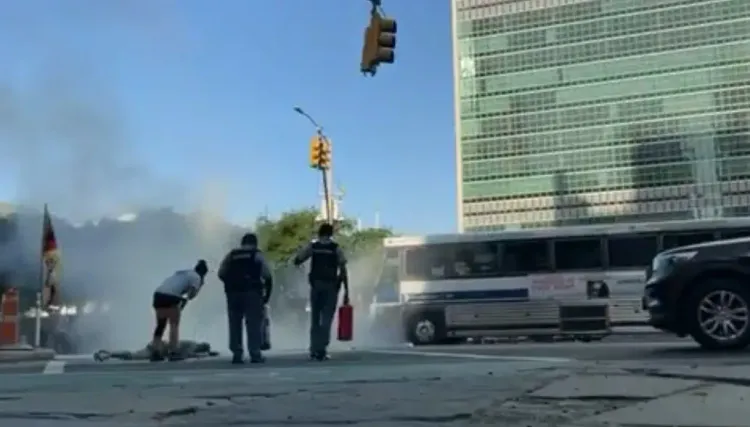
Synopsis
Tibetan activist Lobga Rangzen set himself on fire outside the United Nations in New York — one day after Beijing's new ethnic assimilation law took effect. His final Facebook post called on Tibetans to unite in their struggle. The act, carried out at the world's most visible diplomatic address, is a stark indictment of the international community's response to Tibet's human rights crisis.
Key Takeaways
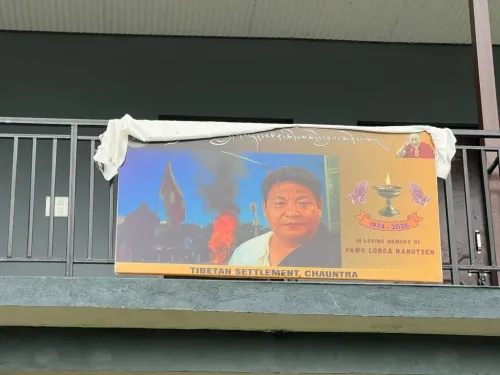
Lobga Rangzen , a Tibetan activist, died after self-immolating outside the United Nations headquarters in New York on Thursday evening .
He succumbed to burn injuries at Bellevue Hospital in New York.
The incident occurred one day after China's Promoting Ethnic Unity and Progress Law came into force.
Before the act, Rangzen livestreamed a message calling for Tibetan independence and posted a final statement on Facebook warning that China's policies threaten Tibetan identity, language, and culture.
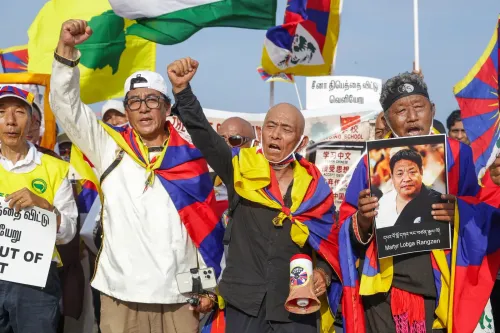
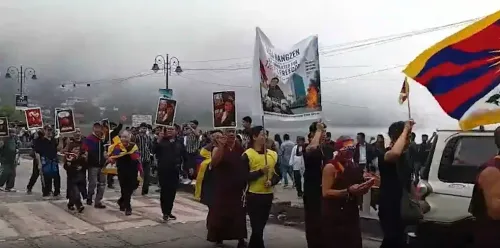
Tencho Gyatso , President of the International Campaign for Tibet (ICT) , called on the international community to hold China accountable for 'policies of repression and forced assimilation.' Tibetan communities staged protests in the US and Belgium against the new Chinese law on the day it took effect.
Tibetan activist Lobga Rangzen died on Thursday evening after self-immolating outside the United Nations headquarters in New York, succumbing to his burn injuries at Bellevue Hospital. The act of protest came just one day after China's controversial 'Promoting Ethnic Unity and Progress Law' came into force — a legislation that UN experts have warned risks 'entrenching forced assimilation and encouraging transnational repression.'
The Final Act
Moments before the incident, Rangzen livestreamed a message on social media calling for Tibetan independence and unity. He also posted a final statement on his Facebook account, warning that China's policies threaten 'the very survival of Tibetan identity, language, and culture,' and urging all Tibetans to remain united in their struggle.
He was subsequently rushed to Bellevue Hospital, where he later succumbed to his injuries.
International Campaign for Tibet Responds
Tencho Gyatso, President of the International Campaign for Tibet (ICT), expressed profound grief over the incident. 'We are deeply saddened by the passing of Lobga, also known as Lobga Rangzen, following his self-immolation at the UN headquarters in New York on Thursday evening,' Gyatso stated. She described Rangzen as 'a tireless advocate for Tibet who devoted himself to peacefully raising awareness of the human rights crisis in Tibet,' adding that 'he will be remembered for his unwavering commitment to justice and the Tibetan cause.'
Gyatso further called on the international community to act: 'It is imperative that the international community heed the message behind his profound despair by addressing the worsening human rights situation in Tibet and holding the Chinese government accountable for its policies of repression and forced assimilation.'
The Law That Triggered Global Protests
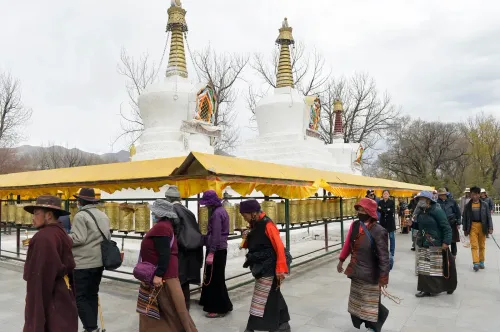
China's Promoting Ethnic Unity and Progress Law took effect on Wednesday, drawing immediate condemnation from Tibetan communities worldwide. Demonstrations were held across multiple countries, including the United States and Belgium, in protest against the legislation.
Gyatso characterised the law as 'a dangerous escalation in China's campaign of forced assimilation and a tool of identity erasure.' UN experts have similarly flagged the legislation, warning it could institutionalise policies that erode ethnic minority identities within China.
Broader Context: A Pattern of Protest
Self-immolation has been a recurring, if rare, form of protest among Tibetan activists over decades, typically deployed as an extreme act of political desperation when conventional channels of dissent are perceived as exhausted. Rangzen's act — carried out in front of the UN's own headquarters — was a deliberate appeal to the international community at its symbolic centre.
This comes amid growing concern from human rights organisations that Beijing's legislative agenda is accelerating its assimilation drive in Tibet, leaving diaspora communities and activists with diminishing avenues for peaceful redress. The timing, one day after the new law's implementation, underscores the depth of that despair.
What Happens Next
Advocacy groups are expected to intensify calls for a formal UN review of China's ethnic minority policies in the wake of Rangzen's death. The ICT has urged governments and international bodies to move beyond expressions of condolence toward concrete accountability measures against Beijing.
Point of View
One day after Beijing's new assimilation law, was deliberate and legible. What is harder to ignore is the venue: the United Nations, whose own experts had already warned the law risked 'transnational repression.' The international community's response to those warnings was, evidently, insufficient to forestall this outcome. The question now is whether Rangzen's death prompts a formal UN mechanism — a special session, a rapporteur investigation — or whether it joins a long record of condolences that produced no accountability.
NationPress
2 Oct 2026
Frequently Asked Questions
Who was Lobga Rangzen?
Lobga Rangzen was a Tibetan activist and vocal advocate for Tibetan independence and human rights. He was known for peacefully raising awareness of the human rights situation in Tibet and was described by the International Campaign for Tibet as tireless in his commitment to the Tibetan cause.
Why did Lobga Rangzen self-immolate outside the UN?
Rangzen self-immolated outside the United Nations headquarters in New York one day after China's Promoting Ethnic Unity and Progress Law came into force. In his final Facebook post, he warned that China's policies threaten the survival of Tibetan identity, language, and culture, and called on Tibetans to unite in their struggle.
What is China's Promoting Ethnic Unity and Progress Law?
It is a Chinese legislation that came into effect on Wednesday and has drawn widespread international criticism. UN experts have warned it risks entrenching forced assimilation and encouraging transnational repression of ethnic minorities, including Tibetans.
What did the International Campaign for Tibet say?
ICT President Tencho Gyatso expressed deep grief over Rangzen's death and urged the international community to address the worsening human rights situation in Tibet. She called on governments and international bodies to hold China accountable for its 'policies of repression and forced assimilation.'
Where were protests held against the new Chinese law?
Tibetan communities staged demonstrations across multiple countries on Wednesday, the day the law came into effect, including in the United States and Belgium.