Tibetan activist dies after self-immolation outside UN HQ in New York
Synopsis
Tibetan activist Lobga Rangzen's death outside UN headquarters — timed one day after China's new ethnic assimilation law took effect — was not random. Rights groups say it was a calculated, final appeal to an international community that has repeatedly looked away from Tibet. The question now is whether the UN will treat it as such.
Key Takeaways
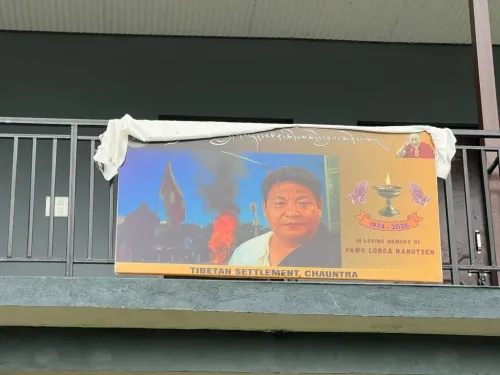
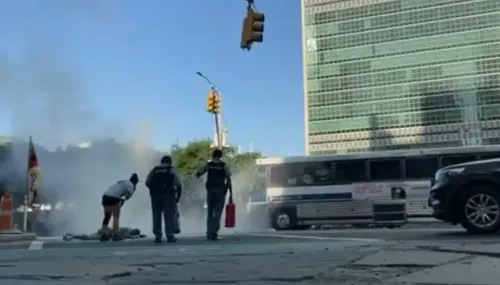
Lobga Rangzen , a Tibetan activist, died on 2 July 2025 after self-immolating outside the UN headquarters in New York .
The act occurred one day after China's 'Promoting Ethnic Unity and Progress Law' came into force — legislation UN experts say risks entrenching forced assimilation.
Before the incident, Rangzen livestreamed a message on Facebook calling for Tibetan independence and unity; he later died at Bellevue Hospital .
Khedroob Thondup , nephew of the Dalai Lama , described self-immolation as the 'last available megaphone' for Tibetans whose every avenue of peaceful dissent is reportedly blocked.
Tencho Gyatso , President of the International Campaign for Tibet (ICT) , called on the global community to hold China accountable for 'policies of repression and forced assimilation.'
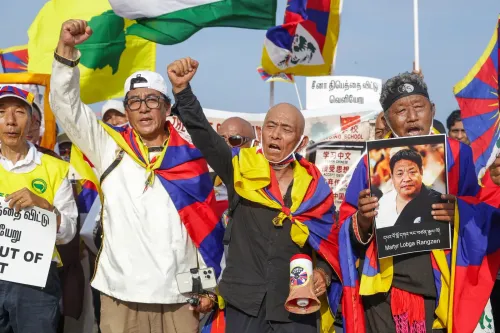
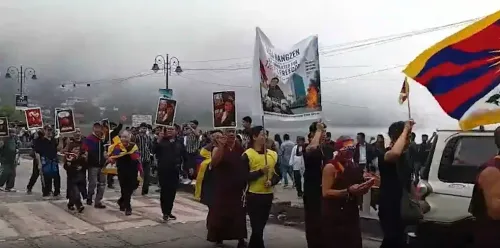
Tibetan activist Lobga Rangzen died on 2 July 2025 after setting himself on fire outside the United Nations headquarters in New York, in what observers and rights groups describe as a desperate appeal to the international community over Tibet's worsening human rights situation. The act came one day after China's new 'Promoting Ethnic Unity and Progress Law' came into force — legislation that UN experts have warned risks 'entrenching forced assimilation and encouraging transnational repression.'
The Final Act and What Led to It
Moments before the incident, Rangzen livestreamed a message on his Facebook account, calling for Tibetan independence and unity. He subsequently succumbed to his burn injuries at Bellevue Hospital in New York. Rights advocates have described the act not as an isolated tragedy, but as a direct symbolic confrontation staged before the very institution mandated to defend human rights.
Khedroob Thondup, nephew of Tibetan spiritual leader the Dalai Lama, wrote in the European Times that self-immolation among Tibetans 'is not born of fanaticism but of suffocated voices.' He argued that inside Tibet, every avenue of peaceful dissent has been blocked — monasteries are surveilled, language is policed, and even acts of mourning are reportedly criminalised. 'To burn oneself alive is to turn one's body into the last available megaphone,' he wrote.
China's Policies Under Scrutiny
According to the report, China's policies towards Tibetans remain 'repressive and absurd' in their attempt to erase identity while claiming to protect it. Children are reportedly compelled to attend boarding schools where Tibetan language and culture are diluted. Monks are allegedly forced into 'patriotic education' sessions described as being against their religious vows. Tibetans living abroad also face intimidation, with Chinese authorities reportedly monitoring their activities and punishing their relatives inside China for overseas activism.
The new Promoting Ethnic Unity and Progress Law, which took effect on 1 July 2025, has drawn widespread international criticism. UN experts have specifically warned that the legislation risks institutionalising forced assimilation and enabling cross-border repression of diaspora communities.
Rights Groups Demand Accountability
Tencho Gyatso, President of the International Campaign for Tibet (ICT), expressed grief over Rangzen's death and called on the global community to address the deteriorating human rights situation in Tibet. 'Lobga was a tireless advocate for Tibet who devoted himself to peacefully raising awareness of the human rights crisis in Tibet, and he will be remembered for his unwavering commitment to justice and the Tibetan cause,' Gyatso stated.
She added that Rangzen's final statement warned that China's policies 'threaten the very survival of Tibetan identity, language, and culture' and urged Tibetans worldwide to remain united. 'It is imperative that the international community heed the message behind his profound despair by addressing the worsening human rights situation in Tibet and holding the Chinese government accountable for its policies of repression and forced assimilation,' she said.
A Pattern of Protest the World Has Largely Ignored
Self-immolation has been documented as a recurring form of protest among Tibetans over several decades. Rights advocates argue that the frequency of such acts reflects the absence of any viable channel for peaceful dissent within Tibet. Thondup wrote that the UN protest 'was a direct appeal to the conscience of the world — a demand that Tibet's plight not be relegated to footnotes in diplomatic communiques.'
He warned that if the UN and its member states fail to respond, 'they risk complicity in the erasure of a people.' As global attention remains divided, rights groups say Rangzen's death underscores the urgency of placing Tibet's human rights situation squarely on the international agenda.
Point of View
Yet it has received a fraction of the diplomatic energy that comparable crises in other regions command. The UN's credibility on human rights is partly measured by how it responds when someone literally dies on its doorstep. So far, the institutional response has been muted, which is precisely what rights groups fear will become the pattern.
NationPress
9 Oct 2026
Frequently Asked Questions
Who was Lobga Rangzen and what happened outside the UN?
Lobga Rangzen was a Tibetan activist who set himself on fire outside the United Nations headquarters in New York on 2 July 2025, dying later from his burn injuries at Bellevue Hospital. Before the act, he livestreamed a message on Facebook calling for Tibetan independence and unity.
Why did the self-immolation happen one day after China's new law?
China's 'Promoting Ethnic Unity and Progress Law' came into force on 1 July 2025, the day before Rangzen's act. Rights advocates and the International Campaign for Tibet have directly linked the timing, arguing the protest was a response to legislation that UN experts warn risks entrenching forced assimilation of Tibetans.
What is China's 'Promoting Ethnic Unity and Progress Law'?
It is a Chinese law that took effect on 1 July 2025, which critics and UN experts say risks institutionalising forced cultural assimilation of minority groups, including Tibetans, and enabling transnational repression of diaspora communities abroad.
What have rights groups demanded following Rangzen's death?
The International Campaign for Tibet (ICT), led by President Tencho Gyatso, has called on the global community to address the worsening human rights situation in Tibet and hold the Chinese government accountable for what it describes as 'policies of repression and forced assimilation.'
How common is self-immolation as a form of protest among Tibetans?
Self-immolation has been documented as a recurring form of protest among Tibetans over several decades. Rights advocates argue it reflects the absence of any viable channel for peaceful dissent inside Tibet, where monasteries are reportedly surveilled, language policed, and even mourning criminalised.