Are Western Nations Preparing for a New European Conflict?
Synopsis
In a striking warning, Russian FM Sergei Lavrov claims that the West is actively gearing up for a new conflict in Europe. As tensions rise, over 40 nations gather in Belarus to discuss the implications. Will this conference be a turning point for Eurasian security? Find out how the geopolitical landscape is shifting.
Key Takeaways
NATO expansion continues despite previous commitments.
The Ukraine conflict has severely impacted European security.
Increased militarization raises concerns among nations.
Russia emphasizes the need for an inclusive security framework .
The Minsk Conference aims to address ongoing global tensions.
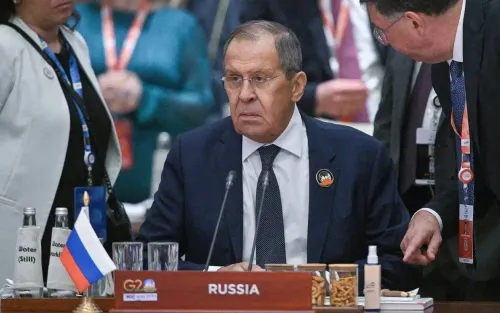
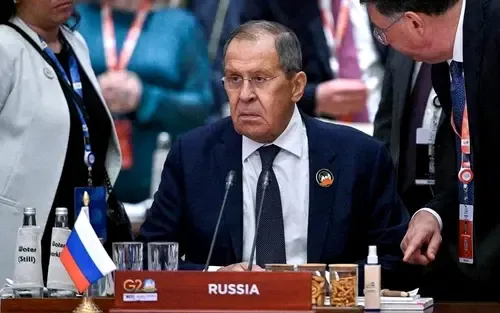
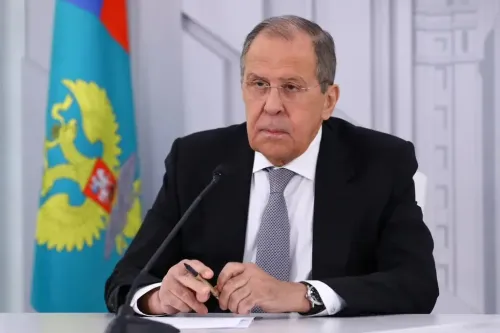
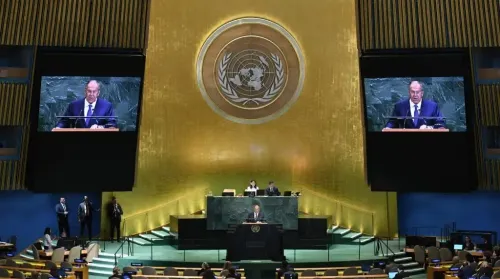
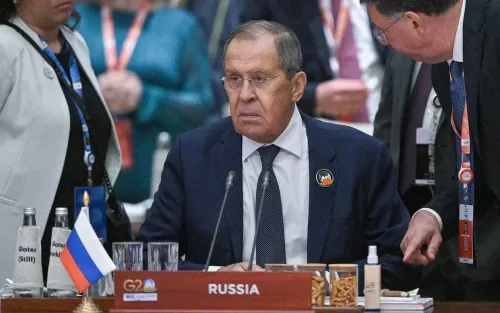
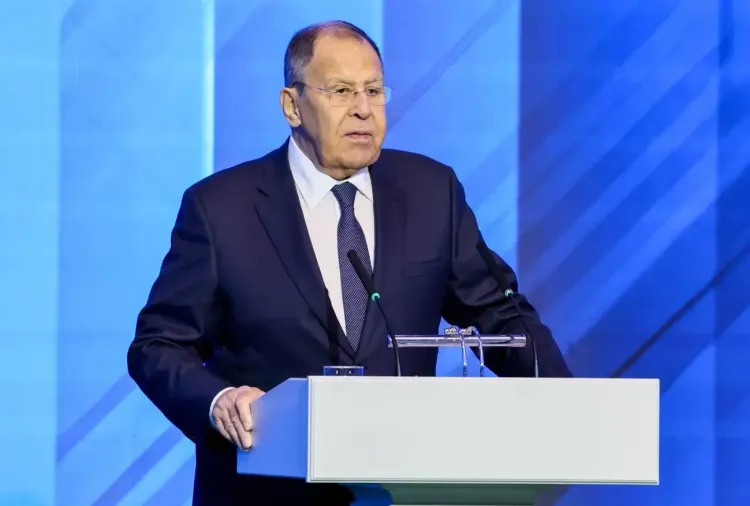
Minsk, Oct 28 (NationPress) Russian Foreign Minister Sergei Lavrov on Tuesday cautioned that Western nations are evidently preparing for a significant conflict in Europe.
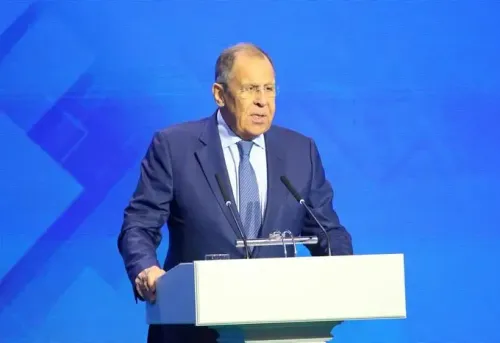
In his address at the 3rd Minsk International Conference on Eurasian Security, Lavrov accused Western countries of undermining arms control agreements while continuing the NATO eastward expansion despite prior commitments, as reported by the Xinhua News Agency.
Lavrov remarked that the ongoing conflict in Ukraine has dismantled the Euro-Atlantic security framework, transforming the European Union into a mere extension of NATO. He criticized the notion of a new European security system that intentionally excludes Russia and Belarus, specifically citing France's European Political Community as a prime example of such exclusionary practices.
Highlighting the rising militarization, Lavrov pointed to nuclear coordination between France and Britain, along with the military agreement between Germany and Britain, which may incorporate nuclear elements. He expressed alarm over increased defense budgets and extensive military drills aimed at eastern deployments. Furthermore, he raised concerns regarding NATO's heightened activities in the Arctic, which he believes jeopardize peaceful cooperation in that region.
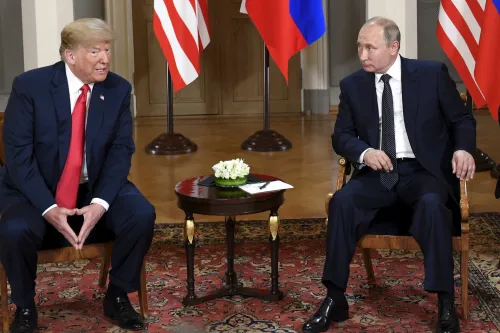
The minister accused European NATO members of perpetuating the Ukraine conflict by supplying arms and pressuring the United States against pursuing negotiated resolutions. He expressed hope that U.S. President Donald Trump would remain dedicated to addressing the crisis based on principles established during the Alaska summit.
Lavrov reaffirmed Russia's demand for an inclusive security framework that prevents any single power from dominating and fosters true multipolarity.
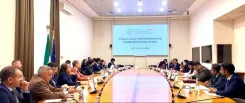
Delegates from over 40 countries and seven international organizations have convened in Belarus for the two-day 3rd Minsk International Conference on Eurasian Security that commenced on Tuesday.
In a statement, the Belarus Ministry of Foreign Affairs indicated, "The goal of the conference is to engage in a candid and inclusive discussion on the future of Eurasian security within the context of the current world order crisis, ongoing military and political conflicts among major global players, and the nearly complete absence of communication between them."
Point of View
It is crucial to approach this situation with a balanced perspective. There is a clear escalation in rhetoric and military mobilization from both sides, suggesting a precarious balance of power. Our focus remains on promoting dialogue and understanding rather than escalating tensions, ensuring that the interests of peace and security are prioritized.
NationPress
24 Oct 2026
Frequently Asked Questions
What did Lavrov say about NATO's expansion?
Lavrov accused NATO of continuing its eastward expansion despite earlier promises to limit it, contributing to rising tensions in Europe.
What are the implications of the Minsk Conference?
The conference aims to foster discussions on Eurasian security amidst current global tensions, with the participation of over 40 countries.
How has the Ukraine conflict affected European security?
The conflict has significantly disrupted the Euro-Atlantic security architecture, leading to increased militarization and rising tensions among nations.
What concerns were raised about NATO's activities?
Lavrov expressed concerns about NATO's increased military activities in the Arctic, which he believes threaten regional peace and cooperation.
What does Russia propose for European security?
Russia calls for an inclusive security framework that prevents the dominance of any single power and promotes genuine multipolarity.