White House Claims 18-Month Zero-Release Streak at US-Mexico Border
Synopsis
The White House declared an 18-month zero-release streak at the US-Mexico border on November 16, 2026, claiming immigration campaign promises have been fulfilled. The announcement extends a Republican policy lineage dating to the 2019 Migrant Protection Protocols and sets up a major benchmark ahead of Congressional funding debates.
Key Takeaways
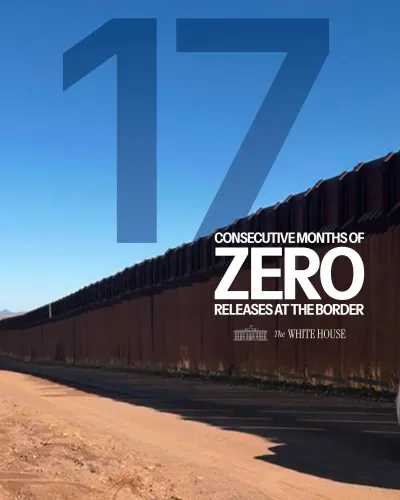
The White House announced on November 16, 2026 that the US-Mexico border has seen 18 consecutive months of zero migrant releases into the United States.
The claim signals the complete elimination of 'catch-and-release' practices at the approximately 2,000-mile southern border .
The policy has roots in the 2019 Migrant Protection Protocols (Remain in Mexico), which required asylum seekers to wait in Mexico for US immigration hearings.
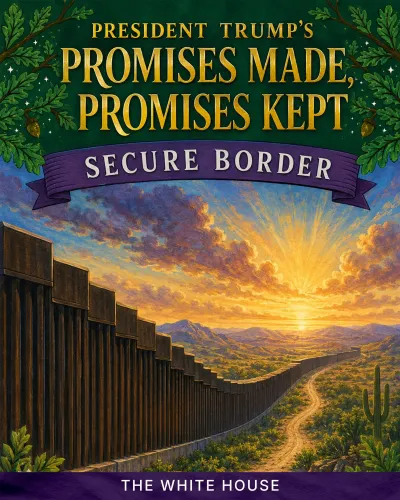
The White House framed the milestone under the slogan 'Promises Made, Promises Kept,' a recurring Republican messaging framework on border enforcement.
Congressional funding bills for border infrastructure and new executive actions on asylum processing remain key developments to watch in the months ahead.
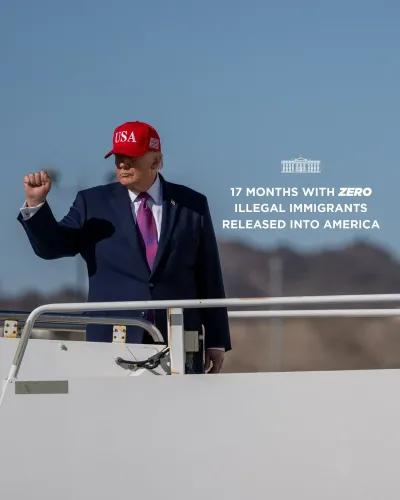
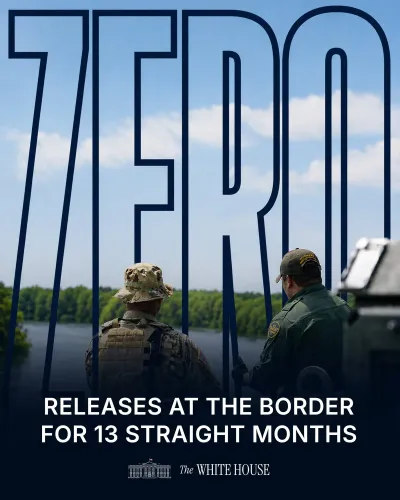
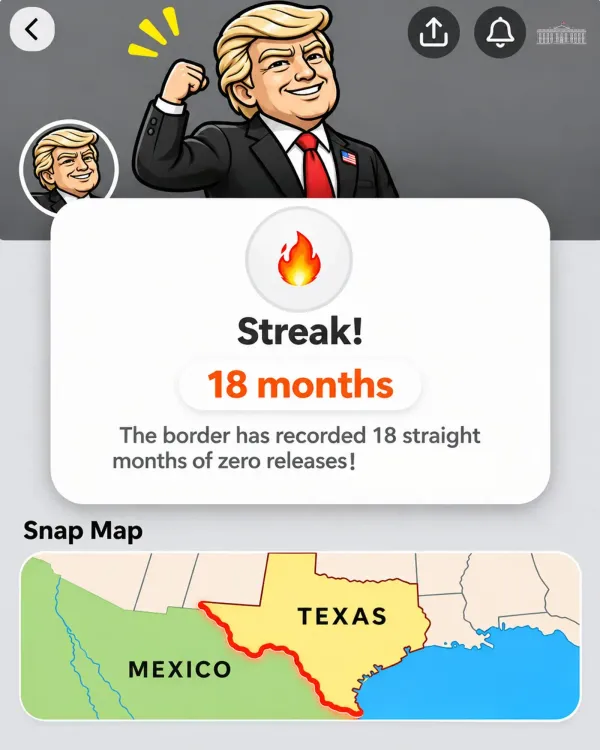
Eighteen months without a single migrant release at the southern border — that is the milestone the White House is claiming as of November 16, 2026, framing it in a triumphant post on X as proof that campaign promises on immigration have been kept.
What 'Zero-Release' Actually Means
The term refers to the elimination of so-called catch-and-release practices — the longstanding policy of temporarily freeing asylum seekers into the United States while their immigration cases worked through an overwhelmed court system. For years, border agents would apprehend migrants crossing the US-Mexico border, process them, and release them with a notice to appear before an immigration judge, often months or years later. The White House post signals that practice has been halted entirely for a year and a half.
The policy shift has deep roots. As far back as 2019, the first Trump term introduced the Migrant Protection Protocols — widely known as 'Remain in Mexico' — which required many asylum seekers to wait on the Mexican side of the border while their US hearings were scheduled. The current 18-month claim appears to be an extension of that hardline lineage, though the specific mechanisms in place as of late 2026 have not been independently verified.
Border Metrics as Political Currency
The White House's choice to announce this milestone publicly — with a fire emoji and the phrase 'Promises Made, Promises Kept' — is deliberate political architecture. Republican administrations have historically used border enforcement statistics as proof-of-mandate moments, turning immigration numbers into a direct referendum on executive competence. The pattern is familiar: a metric drops, the White House amplifies it, and the message feeds back into the base as confirmation that the administration is delivering.
Border agents and enforcement officials are the operational backbone of any such streak, but the human stakes on the other side of the ledger are significant. Asylum seekers — many fleeing violence or persecution — are the population most directly affected by the end of release practices. Critics of zero-release policies have long argued that keeping migrants in limbo, either in detention or in Mexico, creates its own humanitarian pressures.
What Comes Next at the Southern Border
The immediate policy landscape to watch involves Congressional funding bills for border infrastructure and any forthcoming executive actions on asylum processing. If the 18-month streak holds through the end of the year, it becomes a talking point that will almost certainly feature in any future legislative debate over immigration reform. The numbers, the framing, and the political stakes all converge at the same 2,000-mile line in the sand.
Eighteen months is a streak. Whether it holds — and at what cost — is the story still being written.
Point of View
The administration is building a durable talking point ahead of likely Congressional battles over immigration funding. The reference to 'Promises Made, Promises Kept' consciously echoes rhetoric from previous administrations, signalling continuity of ideological intent rather than a new policy direction. What the announcement leaves unaddressed — detention conditions, court backlogs, and the humanitarian dimension of extended enforcement — will define how hard the opposition pushes back.
NationPress
16 Nov 2026
Frequently Asked Questions
What does 'zero-release' at the US-Mexico border mean?
Zero-release refers to ending the practice of releasing asylum seekers and migrants into the United States while they await immigration court hearings. Under this policy, apprehended migrants are either detained or required to wait outside the US, with no temporary releases allowed.
What is the Migrant Protection Protocols or Remain in Mexico policy?
Launched in 2019 during the first Trump administration, the Migrant Protection Protocols required many asylum seekers to remain in Mexico while their US immigration cases were processed, rather than being released into the United States.
How long has the US-Mexico border zero-release policy been in effect?
The White House claims as of November 2026 the zero-release streak has lasted 18 consecutive months, though independent verification of this specific figure and its precise start date is not available.
What is the catch-and-release policy at the US border?
Catch-and-release was a practice where migrants apprehended at the border were processed and then released into the US with a notice to appear before an immigration judge. Republican administrations have worked to eliminate this practice, arguing it encouraged illegal crossings.
What are the next steps on US immigration policy after this announcement?
Key developments to watch include Congressional funding bills for border infrastructure and possible new executive actions on asylum processing, both of which could reshape or codify the current zero-release approach.