White House: No Country Can Be Great Without Fair Elections

Synopsis
The White House posted on July 17, 2026, that 'no country can be great without fair and honest elections.' The statement, broad and principled, echoes long-standing US bipartisan rhetoric on electoral integrity and carries weight both domestically and as a signal of America's democracy-promotion posture internationally.
Key Takeaways
The White House posted on July 17, 2026 , that 'no country can be great without fair and honest elections.' The statement is broad and does not reference a specific law, event, or country.
The Help America Vote Act of 2002 remains the foundational federal law on election administration in the United States .
Election infrastructure has been classified as critical national infrastructure by the Department of Homeland Security since 2017 .
The messaging is consistent with bipartisan US rhetoric on electoral integrity and aligns with international democracy-promotion efforts.
Analysts will watch for follow-up executive orders or legislative proposals that give the statement specific policy content.
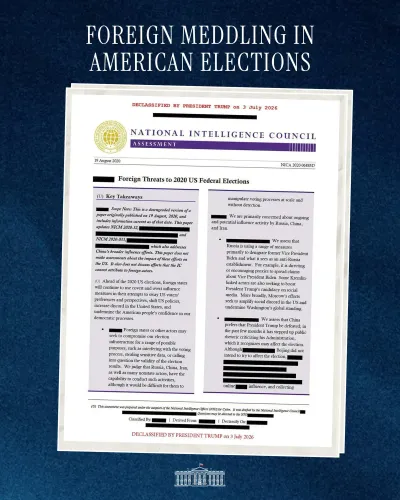
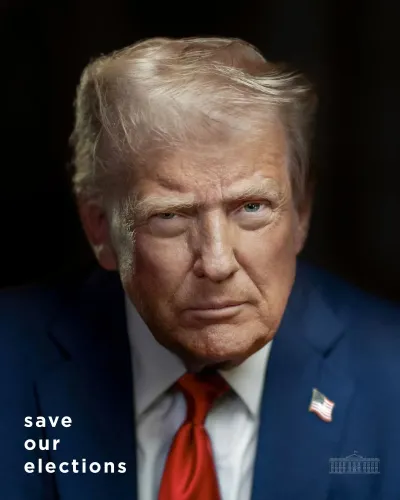
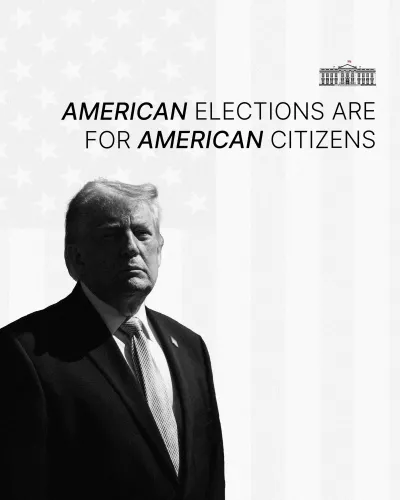
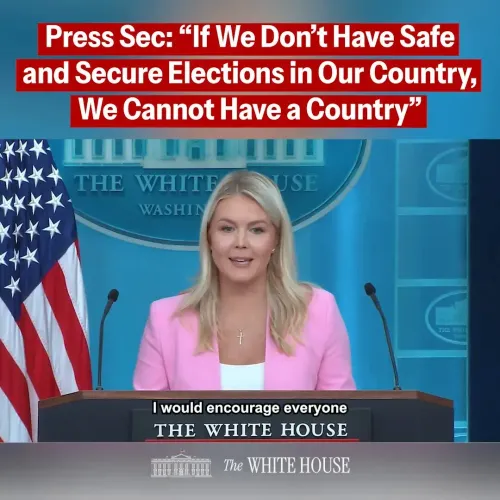
The White House, the official communications account of the Executive Office of the President of the United States, posted a pointed statement on Friday, July 17, 2026, asserting that electoral integrity is a prerequisite for national greatness. The message, brief but sweeping in scope, declared: 'No country can be great without fair and honest elections.'
Context
The statement arrives at a time when debates over voting rights, election security, and democratic legitimacy are active across multiple democracies worldwide. The White House did not reference a specific law, event, or country in the post, keeping the language broad and principled. Such framing is consistent with the Executive Office's role as a communicator of foundational American democratic values.
The post aligns with a long-standing tradition of US administrations invoking the sanctity of elections — both to address domestic audiences and to signal commitment to democratic norms on the international stage. The generic phrasing allows the message to resonate across partisan lines and geographic borders.
Policy Backdrop
The Help America Vote Act of 2002 (HAVA) remains the cornerstone federal statute governing election administration in the United States. Enacted in the aftermath of the disputed 2000 presidential election, it established minimum standards for voting systems, voter registration, and provisional balloting across all states. The law was a bipartisan acknowledgement that public trust in election outcomes is inseparable from the legitimacy of governance itself.
Subsequent administrations have layered additional executive orders and agency directives on top of HAVA, addressing cybersecurity threats to election infrastructure, foreign interference, and voter access. The Department of Homeland Security has classified election infrastructure as critical national infrastructure since 2017, underlining how central the issue has become to national security policy.
Stakeholders and Impact
American voters and state election officials are the most immediate audience for this kind of White House messaging. State officials, who administer elections independently under the US federal system, often look to presidential communications for signals about federal priorities and resource allocation. Civil society organisations focused on voter access and election integrity also parse such statements for policy direction.
Internationally, the statement carries weight as a signal of US foreign policy posture. India, the world's largest democracy, and other nations engaged in democratic consolidation or reform watch American rhetoric on elections closely. The US Agency for International Development (USAID) and the State Department routinely channel resources into democracy-promotion programmes abroad, and White House statements of this nature reinforce that diplomatic architecture.
What's Next
Observers will watch for follow-up executive statements, congressional hearings on pending voting legislation, or remarks at international forums on democratic governance that might give this broad declaration more specific policy content. Any forthcoming executive orders on election security or federal funding proposals for state election infrastructure would give the statement concrete legislative teeth.
The broader pattern suggests that the White House is positioning electoral integrity as a pillar of its domestic and international agenda heading into the latter half of 2026. Whether this translates into specific legislative pushes or diplomatic initiatives remains the key question for analysts and policymakers alike.
Point of View
Signalling to international partners, and pre-empting criticism on democratic governance. Its deliberate vagueness is a feature, not a bug: by avoiding reference to specific legislation or events, the statement is insulated from partisan pushback while still planting a rhetorical flag. In the context of global democratic backsliding and active debates over voting access in the US, such statements from the Executive Office carry outsized symbolic weight. The real test will be whether this rhetoric is followed by concrete policy action, which is what both domestic voters and international observers are waiting to see.
NationPress
15 Oct 2026
Frequently Asked Questions
What did the White House say about elections on July 17, 2026?
The White House posted that 'no country can be great without fair and honest elections,' issuing a broad statement on electoral integrity without referencing a specific event or legislation.
Why is the White House talking about fair elections?
The White House regularly issues statements affirming democratic values, particularly around election security and integrity, as part of both domestic governance and international democracy-promotion efforts.
What is the Help America Vote Act?
The Help America Vote Act of 2002 is the main federal law governing election administration in the United States, establishing minimum standards for voting systems and voter registration after the disputed 2000 presidential election.
How does the US protect its election infrastructure?
Since 2017 , the Department of Homeland Security has classified election infrastructure as critical national infrastructure, subjecting it to federal cybersecurity protections and support for state election officials.
What does the White House election statement mean for India?
While the statement is directed at a US audience, India and other democracies closely watch American rhetoric on elections, as it shapes US foreign policy priorities including democracy-promotion funding and diplomatic engagement.