HP CM Office: ₹350 Cr Samdo-Kaza Line for 24x7 Power in Spiti
Synopsis
The Chief Minister's Office of Himachal Pradesh has announced a ₹350 crore Samdo-Kaza transmission line to deliver 24x7 power to remote Spiti Valley, as residents of Rangrik village gathered in -5°C temperatures to mark the push.
Key Takeaways
The Chief Minister's Office of Himachal Pradesh announced on October 15, 2026 that the Samdo-Kaza transmission line project is actively progressing.
The project is estimated to cost ₹350 crore and is designed to ensure 24-hour electricity supply in remote Spiti Valley.
Residents of Rangrik village in Lahaul and Spiti district turned out in large numbers despite -5°C temperatures.
Lahaul and Spiti is one of India's highest-altitude tribal districts, where reliable winter power supply has historically been a major challenge.
Construction timelines, tendering, and commissioning milestones remain the key next steps to watch.
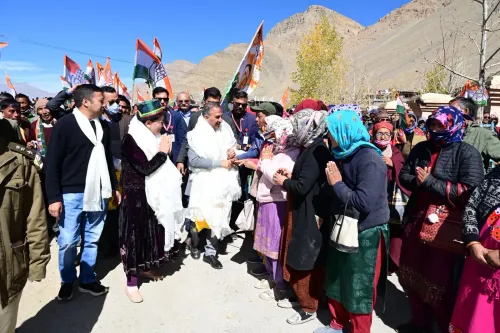
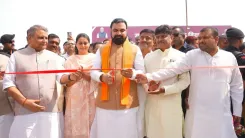
In -5°C cold, the residents of Rangrik village in Lahaul and Spiti district turned out in large numbers — and the Chief Minister's Office of Himachal Pradesh made clear on Thursday, October 15, 2026, exactly what they came to hear: a ₹350 crore transmission line is being built to finally deliver round-the-clock electricity to one of India's most remote high-altitude valleys.
The CMO's post announced that work on the Samdo-Kaza transmission line is moving forward, with the project specifically aimed at ensuring '24 ghante bijli ki uplabdhta' ('24-hour power availability') for communities in the Spiti Valley. The gathering at Rangrik in sub-zero temperatures, the office noted, was 'extremely heartening' — a signal of how urgently these communities want reliable power.
What the Samdo-Kaza line means for Spiti Valley
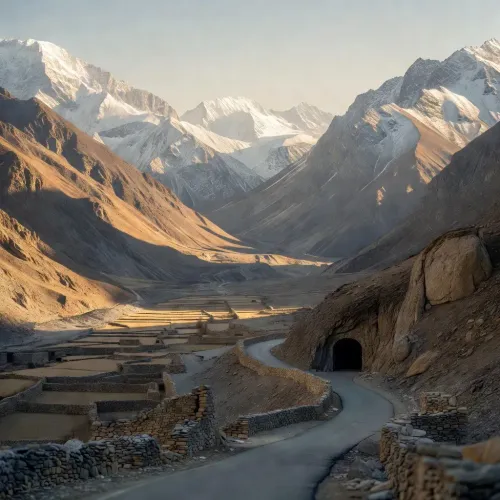
Lahaul and Spiti is among India's most geographically isolated tribal districts, perched at altitudes where winters routinely plunge temperatures well below freezing and roads remain cut off for months. Power supply in such terrain has historically been intermittent, dependent on small run-of-river hydro projects that struggle in winter when water levels drop. A dedicated high-capacity transmission line connecting Samdo to Kaza — the district headquarters of Spiti — would change that equation fundamentally.
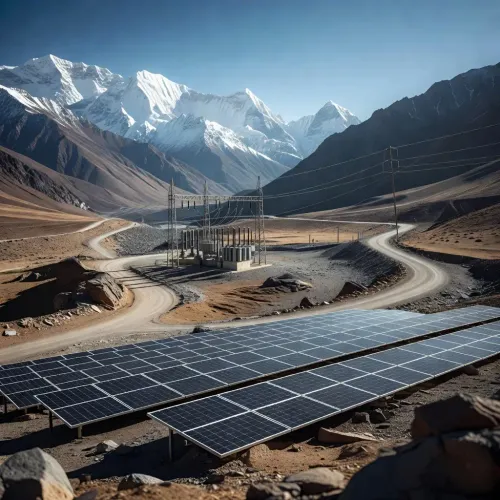
The ₹350 crore outlay signals a serious state commitment. Building transmission infrastructure at high altitude involves formidable engineering challenges: terrain, weather windows, and logistics all drive up costs and timelines. The announcement positions this as an active, ongoing push rather than a proposal on paper.
Rangrik's sub-zero turnout — and what it tells us
The CMO's note about the crowd at Rangrik village is more than ceremonial colour. In a district where public gatherings in October already mean braving bitter cold, a 'large number' of residents showing up is itself a statement of political and community urgency. Spiti's villages face some of the harshest living conditions in the country, and electricity — for heating, lighting, communication, and small enterprise — is not a convenience. It is survival infrastructure.
Himachal Pradesh has steadily worked to extend grid connectivity to its tribal and border districts, but the last mile in high-altitude valleys like Spiti remains the hardest. Projects like the Samdo-Kaza line represent the frontier of that effort.
The next milestones to watch: formal tendering, contractor appointment, and a construction timeline that accounts for the narrow working window each year before Spiti's winter shuts down access routes entirely.
Point of View
If it materialises on schedule, would represent one of the more substantial single-project investments in Spiti's grid history. Delivery timelines — always the Achilles heel for high-altitude projects — will determine whether this announcement becomes legacy or footnote.
NationPress
15 Oct 2026
Frequently Asked Questions
What is the Samdo-Kaza transmission line in Himachal Pradesh?
The Samdo-Kaza line is a proposed high-voltage transmission project in Himachal Pradesh's Lahaul and Spiti district, budgeted at ₹350 crore, designed to ensure 24-hour electricity supply to remote Spiti Valley communities.
Why does Spiti Valley face power supply problems?
Spiti Valley is one of India's most isolated high-altitude regions, where extreme winters, difficult terrain, and dependence on small run-of-river hydro projects have historically made reliable, year-round electricity supply very difficult.
Where is Rangrik village located?
Rangrik village is located in Lahaul and Spiti district of Himachal Pradesh, in the high-altitude Spiti Valley, where sub-zero temperatures are common in October.
How much will the Samdo-Kaza power line cost?
According to the Chief Minister's Office of Himachal Pradesh, the Samdo-Kaza transmission line is being developed at a cost of ₹350 crore.
What is Himachal Pradesh doing to improve electricity in tribal areas?
Himachal Pradesh has been investing in transmission and rural electrification projects in tribal and border districts like Lahaul and Spiti to achieve 24x7 power supply, with the Samdo-Kaza line being the latest major initiative.