HP CM launches 2 MW solar plant, BESS in Spiti Valley
Synopsis
Himachal Pradesh inaugurated a 2 MW grid-connected solar plant at Kaza and a 1 MWh Battery Energy Storage System at Rongtong in remote Spiti Valley on October 14, 2026, while breaking ground on road upgrades linking Chidang Tangti to Khar Teling and Tanjit to Hikkim.
Key Takeaways
A 2 MW grid-connected photovoltaic solar plant was inaugurated at Kaza , Spiti Valley, on October 14, 2026 .
A 1 MWh Battery Energy Storage System (BESS) was simultaneously commissioned at Rongtong , pairing generation with dispatchable storage.
A bhumi pujan was performed for road upgrades on the Chidang Tangti–Khar Teling and Tanjit–Hikkim stretches in upper Spiti.
The projects target tribal cold-desert communities in Lahaul and Spiti, one of India's most energy-isolated districts.
Himachal Pradesh is advancing solar-plus-storage models in high-altitude regions aligned with India's broader non-fossil fuel capacity goals.
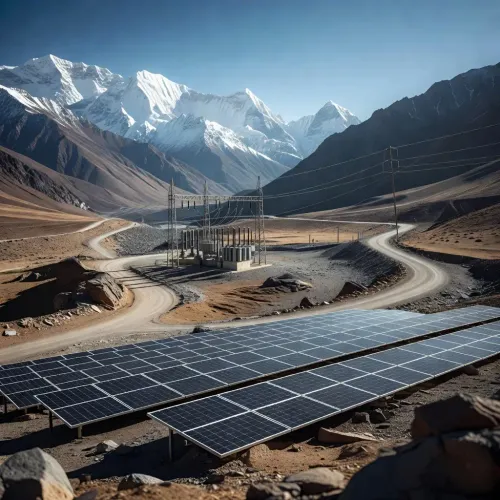
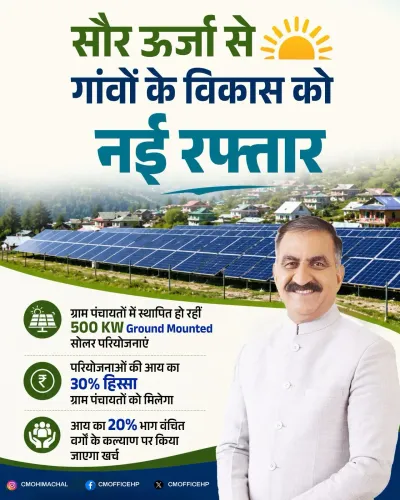
Deep in the cold desert of Lahaul and Spiti, where long winters and extreme altitude have historically made reliable electricity a luxury, Himachal Pradesh just switched on a new kind of power. The Chief Minister's Office of Himachal Pradesh announced on Wednesday, October 14, 2026 that a 2-megawatt grid-connected photovoltaic solar power plant at Kaza and a 1 megawatt-hour Battery Energy Storage System (BESS) at Rongtong were formally inaugurated — pairing generation with storage in one of India's most energy-isolated tribal regions.
The official post read: 'आज काजा में ग्रिड-कनेक्टेड फोटोवोल्टिक सौर ऊर्जा संयंत्र (2 मेगावाट) एवं रोंगटोंग में बैटरी ऊर्जा भंडारण प्रणाली (1 मेगावाट-घंटा) का लोकार्पण किया।' — 'Today, a grid-connected photovoltaic solar energy plant (2 MW) at Kaza and a Battery Energy Storage System (1 MWh) at Rongtong were inaugurated.'Solar-plus-storage arrives in Kaza and Rongtong
Kaza, the administrative headquarters of Spiti, sits above 3,800 metres and endures months of road-cut isolation every winter. That altitude is also a strength — clear skies and intense solar irradiance make the plateau one of the highest-quality solar resource zones in the country. The 2 MW grid-connected plant converts that resource into dependable daytime supply for local households, health posts, and government facilities.
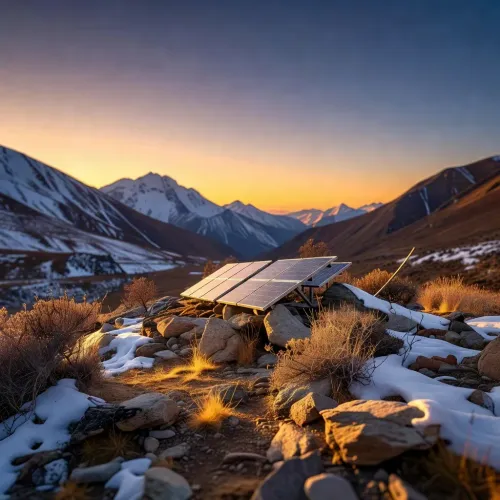
What makes the package notable is the pairing at Rongtong. A 1 MWh BESS — battery storage wired directly to the grid — addresses the single biggest weakness of solar in remote areas: what happens after sunset or during cloud cover. Storage-linked solar is still far from routine in India's hill states. Spiti now has both, operational together.
Bhumi pujan for roads linking Chidang-Tangti to Khar Teling and Tanjit to Hikkim
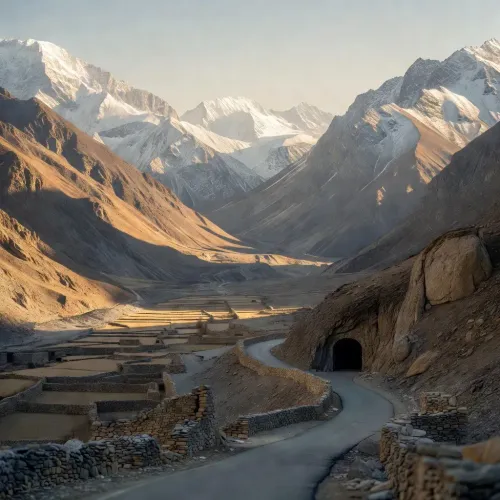
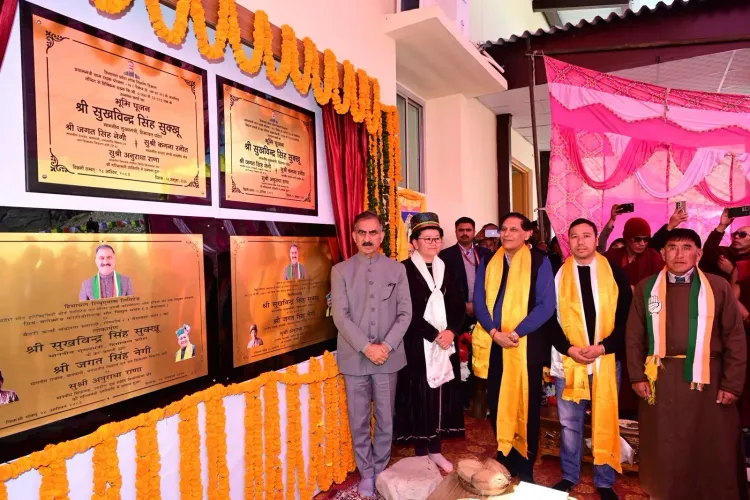
The energy inaugurations were accompanied by a bhumi pujan — a ground-breaking ceremony — for road upgrade work on two stretches: Chidang Tangti to Khar Teling and Tanjit to Hikkim. These are not arterial highways; they are the last-mile tracks that connect scattered hamlets in upper Spiti to the main spine of the valley.
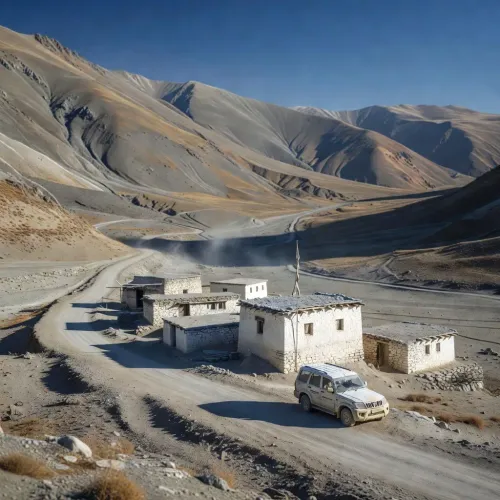
Hikkim is recognised as home to one of the world's highest post offices, and the villages along these alignments depend on passable roads for supply of food, medicine, and fuel before winter closures. The road upgrades represent a commitment to keeping those lifelines open and weather-resilient.
Spiti's place in Himachal's clean-energy push
Himachal Pradesh has steadily aligned state renewable energy policy with India's national non-fossil fuel targets, and tribal cold-desert districts have become a testing ground for solar-plus-storage models that could scale to similarly remote belts across the Himalayas. The combination of high solar irradiance, fragile grid connectivity, and dispersed population makes Lahaul and Spiti an instructive template — not just a beneficiary.
The rollout of additional capacity in the district, and the pace at which the announced road upgrades are completed before the next snowfall season, will be the metrics that translate today's inaugurations into lived change for Spiti's residents.
For a valley that has waited long for stable electricity and motorable roads, two ceremonies in one day is not a small thing. Whether the grid holds through winter will be the real test.
Point of View
Spiti's solar-plus-BESS model could become a replicable template for tribal cold-desert belts from Ladakh to Arunachal. The simultaneous bhumi pujan for connectivity roads underlines a political calculation as much as a developmental one — in isolated constituencies, roads and power arriving together maximise both impact and visibility. The real policy test comes over the next two winters: whether the BESS sustains supply during Spiti's long cloud-covered and snow-bound stretches will determine how aggressively the state scales this model district-wide.
NationPress
14 Oct 2026
Frequently Asked Questions
What is the capacity of the new solar plant at Kaza in Spiti Valley?
The newly inaugurated grid-connected photovoltaic solar power plant at Kaza has a capacity of 2 megawatts (MW) .
What is a Battery Energy Storage System and why was one installed at Rongtong?
A Battery Energy Storage System (BESS) stores electricity generated by solar panels and releases it when sunlight is unavailable. The 1 MWh BESS at Rongtong ensures that solar power remains available to Spiti Valley residents after dark or during cloudy periods, addressing the key reliability gap of solar energy in remote high-altitude areas.
Which roads were announced for upgrade in Spiti Valley on October 14?
The Himachal Pradesh government performed a bhumi pujan for upgrades on two road stretches: Chidang Tangti to Khar Teling and Tanjit to Hikkim in upper Spiti Valley.
Where is Kaza located and why is it significant for solar energy?
Kaza is the administrative headquarters of Lahaul and Spiti district in Himachal Pradesh, situated above 3,800 metres. Its high altitude delivers exceptional solar irradiance and clear skies for much of the year, making it a strong location for photovoltaic installations despite harsh winter conditions.
How does this project fit into Himachal Pradesh's renewable energy policy?
Himachal Pradesh has been advancing renewable energy installations aligned with India's national non-fossil fuel capacity targets. The Kaza solar plant and Rongtong BESS are part of a state-level pattern of deploying solar-plus-storage systems in remote tribal Himalayan districts to improve energy reliability.