White House Blames Illegal Immigration for US Housing Crisis

Synopsis
The White House amplified a Vice Presidential claim that allowing 20 million undocumented immigrants into the US directly caused the housing affordability crisis, framing border enforcement as a solution for American homebuyers. The figure and causal link remain contested.
Key Takeaways
The White House posted a quote attributed to the Vice President blaming US housing cost inflation on 20 million undocumented immigrants .
The administration frames strict border enforcement as a direct remedy for housing unaffordability for American citizens.
The 20 million figure is disputed; independent analysts estimate the undocumented population closer to 11 million.
Economists attribute the US housing crisis to multiple structural factors including zoning restrictions , high mortgage rates , and construction shortages — not immigration alone.
The claim sets up potential Congressional battles linking immigration enforcement funding to housing relief promises.
High-growth cities like Austin , Phoenix , and Miami remain the sharpest flashpoints for both housing and immigration political pressure.
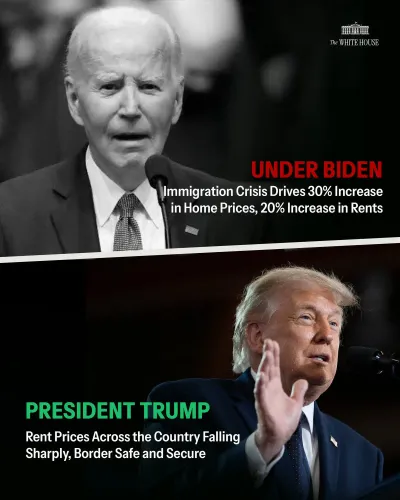
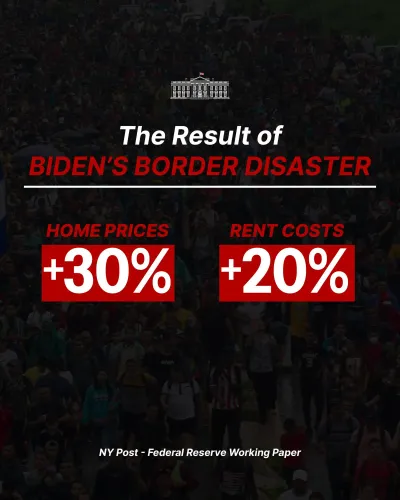
A sharp political claim landed from the highest levels of the US executive branch on Friday, October 30, 2026: housing costs in America have surged, the White House argues, because roughly 20 million undocumented immigrants were allowed into the country and competed for homes that should have gone to American citizens. The post, amplifying remarks attributed to the Vice President, frames the housing affordability crisis not as a supply-chain or interest-rate failure — but as an immigration failure.
The Claim at the Centre: Immigration Driving Home Prices
The White House post quotes the Vice President directly: 'The reason why housing exploded in the United States of America is in part because we allowed 20 million illegal aliens into our country to buy homes that ought by right go to American citizens.' The argument is causal and pointed — unauthorized immigrants are presented not merely as a border or law-enforcement issue, but as a direct economic competitor to American homebuyers in a market already stretched thin.
The framing is politically loaded. Housing affordability has ranked among the top domestic anxieties for American families for several consecutive years, with home prices and mortgage rates rising sharply since the early 2020s. By linking those pressures to immigration numbers, the administration is making a case that border enforcement is, in effect, housing policy.
How the Immigration-Housing Argument Has Built Over Time
This is not the first time US conservatives have connected unauthorized immigration to domestic resource strain. The rhetorical thread — that a large undocumented population competes with citizens for shelter, school seats, and public services — has run through Republican policy positioning for at least two decades. What is notable here is the specificity of the number cited (20 million) and the directness of the causal chain drawn: more undocumented residents equals higher home prices for citizens.
Economists have offered a more layered picture. Housing shortfalls in high-growth cities like Austin, Phoenix, and Miami are driven by a confluence of zoning restrictions, construction-labour shortages, elevated borrowing costs, and investor demand — not any single factor. The immigration contribution to housing demand, while real in aggregate population-growth terms, is contested in its scale relative to these structural constraints.
What the Politics of This Moment Mean for Homebuyers and Immigrants
For prospective homebuyers — especially first-time buyers and younger Americans — the White House message is a promise: enforce the border, free up housing. For immigrant communities, particularly the roughly 11 million undocumented people estimated by independent analysts to be in the US (the administration's figure of 20 million is disputed and cannot be independently verified), the language is a signal of continued policy pressure.
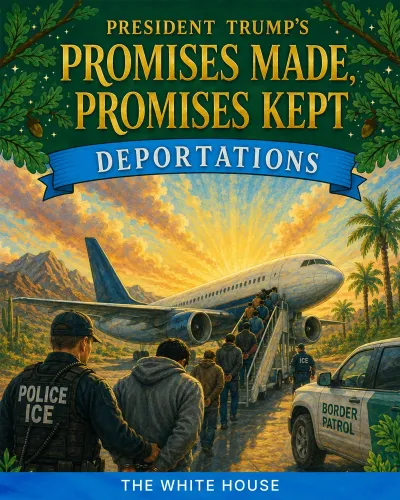
Congressional battles over immigration enforcement funding and housing supply legislation are the two arenas where this argument will next be tested. Whether the administration pursues deportation drives explicitly framed as housing relief — or whether Congress ties border-security appropriations to affordability promises — will determine how much policy weight this political claim actually carries.
The housing crisis is real. The fight over who caused it — and who can fix it — has now moved squarely to the centre of the immigration debate.
Point of View
The White House is attempting a political consolidation — turning two of America's most acute anxieties into a single, border-enforcement-shaped answer. It is a high-reward framing if voters accept the causal chain, and a high-risk one if economic analysts successfully complicate it. The move follows a durable conservative playbook of linking domestic resource scarcity to unauthorised migration, but the specificity of the housing focus in 2026 suggests the administration sees affordability, not just security, as its strongest electoral terrain. For India-watching audiences, the debate echoes familiar patterns where migration, urbanisation, and housing pressure intersect in ways that resist single-cause explanations.
NationPress
30 Oct 2026
Frequently Asked Questions
Did illegal immigrants really cause the US housing crisis?
The White House claims undocumented immigration is a key driver of rising US home prices, but economists point to multiple structural causes including zoning laws, high interest rates, and construction shortfalls. The immigration contribution to housing demand is real but disputed in its scale.
How many illegal immigrants are in the US according to the White House?
The White House post cites a figure of 20 million undocumented immigrants. Independent demographic estimates have generally placed the undocumented population closer to 11 million, and the 20 million figure is not verified by independent analysts.
What did the US Vice President say about housing and immigration?
The Vice President stated that housing costs 'exploded' in the US partly because the country 'allowed 20 million illegal aliens' in who competed for homes that should go to American citizens — framing border enforcement as a housing-affordability solution.
Why is the US housing market so expensive in 2026?
US home prices have been elevated due to a combination of high mortgage rates, limited housing supply, restrictive zoning, strong investor demand, and population growth pressures in Sun Belt cities. The White House now adds large-scale illegal immigration to that list.
What policy changes could follow the White House immigration-housing claim?
Analysts are watching for Congressional moves linking immigration enforcement funding to housing relief promises, as well as potential deportation initiatives framed explicitly as freeing up housing inventory for American citizens.