White House Calls Communism Greatest Threat to the US

Synopsis
The White House posted on X on 6 August 2026 declaring communism 'the greatest threat' to the United States, invoking Cold War ideological framing without naming a specific adversary or accompanying policy action.
Key Takeaways
The White House posted on 6 August 2026 that 'Communism is the greatest threat to our country.' No specific country or adversary was named in the post.
The statement echoes the Truman Doctrine of 1947 and Cold War-era containment framing.
States currently governed by communist parties include China, Cuba, North Korea, and Vietnam .
No accompanying policy action, executive order, or legislative measure was announced alongside the post.
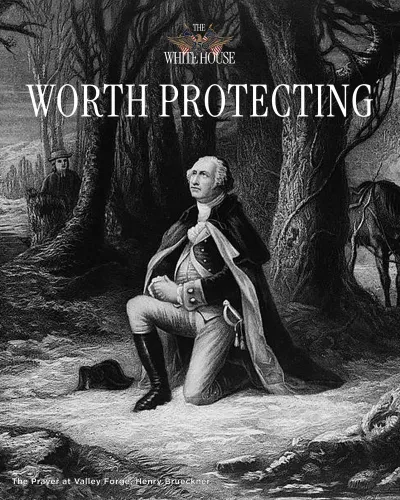
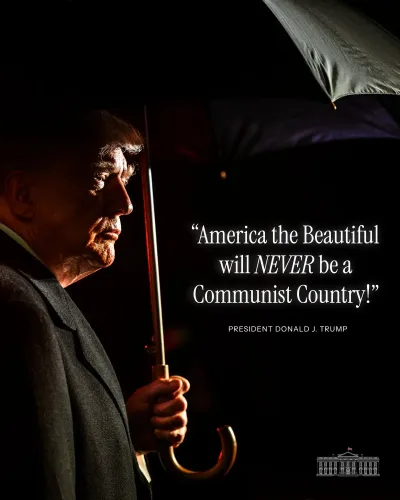
A blunt, three-word-short declaration from the highest office in the land — The White House posted on X on 6 August 2026 that 'Communism is the greatest threat to our country,' a statement that cuts through diplomatic language and plants a stark ideological flag.
A Cold War Phrase Returns to the Oval Office's Feed
The post carries no caveats, no named adversary, no policy rider. Just the assertion — direct and unambiguous. Yet the phrase does not arrive in a vacuum. US administrations have periodically invoked communism as a national security frame since the Truman Doctrine of 1947, when Washington committed to resisting the spread of Soviet-aligned governments. That Cold War architecture — containment, deterrence, ideological confrontation — shaped decades of American foreign policy. This post echoes that lineage with the brevity of a campaign slogan.Who Is in the Crosshairs?
The White House statement names no country. That ambiguity is itself a signal. China, Cuba, North Korea, and Vietnam are among the states governed today by communist parties, and any one of them — or all of them — could be the implied audience. When Washington speaks this broadly, allies and rivals alike read the subtext. The statement's reach is precisely its power, and its vagueness its limitation.What Comes After the Declaration
Words from the Executive Office of the President carry weight that a tweet's character count does not reveal. The question now is whether this post precedes a concrete policy move — sanctions, diplomatic repositioning, congressional legislation, or a formal national security directive. Statements this categorical rarely stand alone. Watch for follow-up executive action or a formal address that translates ideology into policy.Point of View
Giving the administration flexibility while energising a domestic political base. For US allies and rivals alike, the statement raises immediate questions about which bilateral relationships it is meant to reshape. Without a follow-on policy announcement, it reads as ideological positioning — but in Washington, positioning often precedes action.
NationPress
6 Aug 2026
Frequently Asked Questions
What did the White House say about communism?
The White House posted on X on 6 August 2026 that 'Communism is the greatest threat to our country,' with no further elaboration or named adversary.
Which countries does the US consider communist threats?
The White House post named no specific country. States currently governed by communist parties include China, Cuba, North Korea, and Vietnam , all of which have been subjects of US national security concern at various points.
Is this the first time the US government has called communism a threat?
No. US administrations have described communism as a national security threat since at least the Truman Doctrine of 1947 , which framed US foreign policy around containing Soviet-aligned communist expansion.
What policy actions could follow the White House communism statement?
No policy action was announced alongside the post. Analysts will watch for executive orders, sanctions, diplomatic repositioning, or congressional measures targeting states governed by communist parties.
Why does the White House post about communism matter for India?
India maintains active diplomatic and trade relationships with China, Cuba, and Vietnam . A hardened US ideological stance toward communist-governed states could affect the strategic calculus of those partnerships and India's positioning between Washington and Beijing.