White House Celebrates Soccer as US Hosts 2026 FIFA World Cup
Synopsis
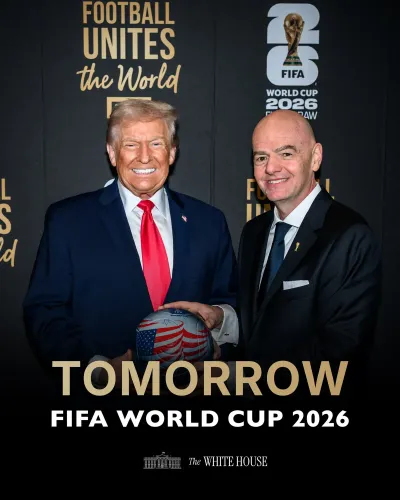
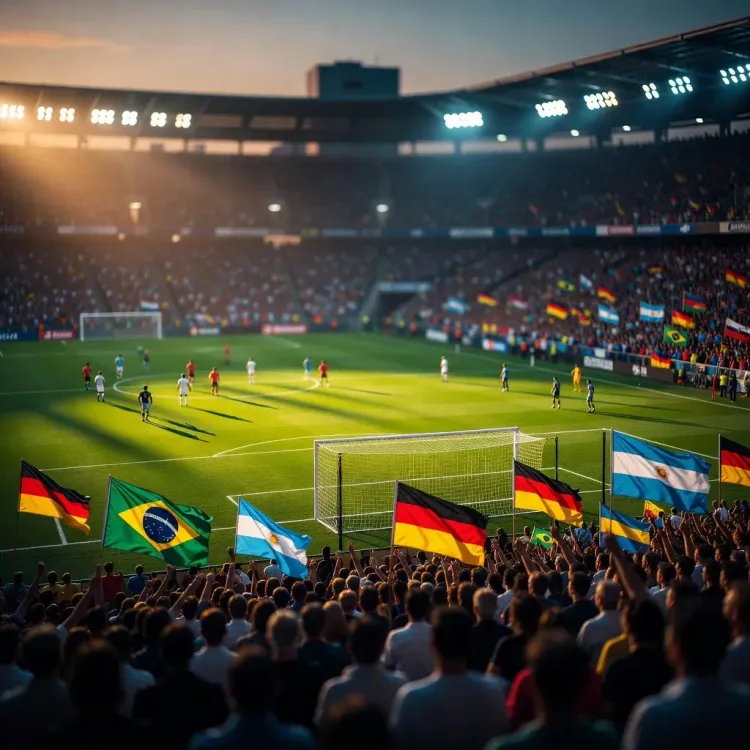
The White House marked the 2026 FIFA World Cup with a brief, emphatic soccer post on 19 June 2026. The United States is co-hosting the expanded 48-team tournament alongside Canada and Mexico — its first time hosting since 1994.
Key Takeaways
The White House posted a celebratory soccer message on 19 June 2026 amid the ongoing 2026 FIFA World Cup .
The United States is co-hosting the tournament with Canada and Mexico — the first edition expanded to 48 teams .
This is the first time the US has hosted the FIFA World Cup since 1994 .
The joint hosting bid was awarded by FIFA in 2018 .
The post reflects a broader pattern of the White House using major sporting events to project national identity and soft power.
The White House, the official communications account of the Executive Office of the President of the United States, posted a brief but emphatic celebration of soccer on Friday, 19 June 2026, signalling federal enthusiasm as the 2026 FIFA World Cup unfolds on American soil.
Context
The post — a single word, 'SOCCER!!!', accompanied by American flag and bald eagle emojis — reflects the charged national mood surrounding the tournament. The United States is co-hosting the 2026 FIFA World Cup alongside Canada and Mexico, marking the first edition of the tournament expanded to 48 teams. It is the first time the United States has hosted the event since 1994.
While the post does not reference a specific match result or milestone, its timing on 19 June 2026 places it squarely within the group-stage window of the tournament, a period of peak public engagement and national attention.
Policy Backdrop
The joint hosting bid by the United States, Canada, and Mexico was selected by FIFA in 2018, setting off years of infrastructure planning, stadium preparation, and federal coordination on logistics and security. The White House's celebratory messaging is consistent with a longstanding pattern of using major international sporting events to project national identity and soft power.
Since the 1994 World Cup, the United States has significantly deepened its relationship with the sport — expanding domestic leagues, growing youth participation, and investing in stadium infrastructure. The United States Soccer Federation, the national governing body responsible for both the men's and women's national teams, has been central to that growth.
Stakeholders and Impact
The tournament directly engages millions of soccer fans across the United States, as well as players, coaches, and administrators tied to the national programme. Co-hosting with Canada and Mexico has also brought a cross-border dimension to public enthusiasm, with matches distributed across stadiums in all three countries.
For the broader Indian audience, the 2026 World Cup carries significance as a global event drawing viewership from South Asia, where soccer fandom — particularly for European clubs and South American national sides — has surged in recent years. The United States' role as host nation adds a geopolitical and diplomatic layer to the tournament's global profile.
What's Next
Attention will now turn to the progress of the US Men's National Team through the tournament bracket, as well as any further federal-level engagement — including potential White House events tied to matches or medal rounds. Security coordination and logistical execution across host cities will remain under close watch as the tournament advances toward its knockout stages.
Point of View
Emoji-laden soccer post is a deliberate act of public diplomacy — aligning executive authority with mass national enthusiasm at a moment when the United States is under the global spotlight as a World Cup host. It follows a well-established playbook of using sporting spectacle to build domestic unity and international visibility. For a tournament co-hosted across three nations, such messaging also reinforces the soft-power dimension of sports hosting that Washington has cultivated since 1994. The post's brevity is itself a signal: no policy argument is needed when the stadium is already full.
NationPress
19 Sept 2026
Frequently Asked Questions
Why did the White House post about soccer on 19 June 2026?
The White House posted a celebratory soccer message on 19 June 2026 to mark the ongoing 2026 FIFA World Cup, which the United States is co-hosting alongside Canada and Mexico.
Where is the 2026 FIFA World Cup being held?
The 2026 FIFA World Cup is co-hosted by the United States, Canada, and Mexico, with matches spread across stadiums in all three countries.
How many teams are in the 2026 FIFA World Cup?
The 2026 FIFA World Cup is the first edition expanded to 48 teams, up from the previous format of 32.
When did the US last host the FIFA World Cup before 2026?
The United States last hosted the FIFA World Cup in 1994, more than three decades before the 2026 edition.
Who governs soccer in the United States?
The United States Soccer Federation is the national governing body responsible for the men's and women's national teams and overseeing domestic soccer leagues in the country.