White House Claims Trump Has 'Locked Down' US Border

Synopsis
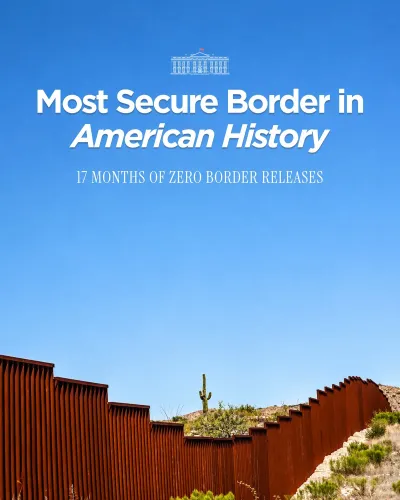
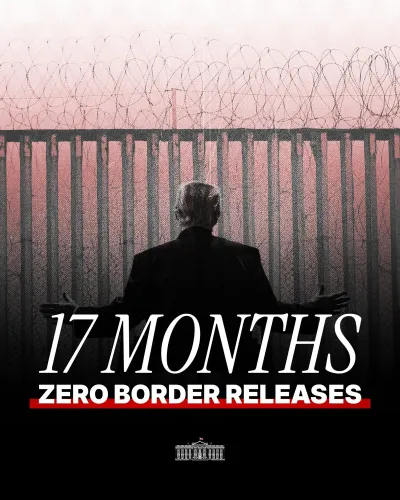
The White House declared on October 28, 2026 that the Trump administration has 'locked down' the US-Mexico border and cleared criminal illegal aliens from American streets, drawing a sharp contrast with the Biden era's record migrant encounters and reversed enforcement policies.
Key Takeaways
The White House posted on October 28, 2026 claiming the Trump administration has 'locked down the border' and removed criminal illegal immigrants.
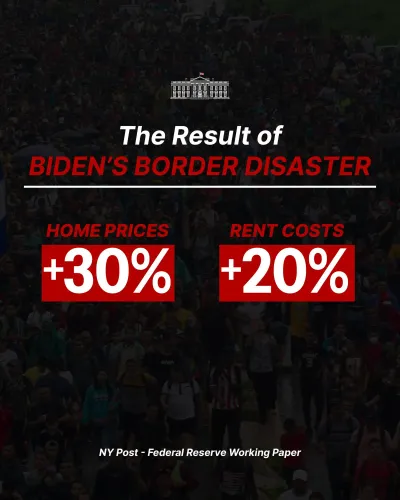
The post directly blames the Biden administration for allowing 'illegal alien criminals' to enter the US during its tenure.
Trump's first term (2017) saw border wall construction and the Remain in Mexico policy; Biden reversed both in 2021 .
Record migrant encounters under Biden became a central Republican campaign argument ahead of the 2024 election .
Trump's return after 2024 restored an enforcement-first model focused on interior removals and border controls.
Specific 2026 enforcement statistics backing the 'lockdown' claim have not been independently verified.
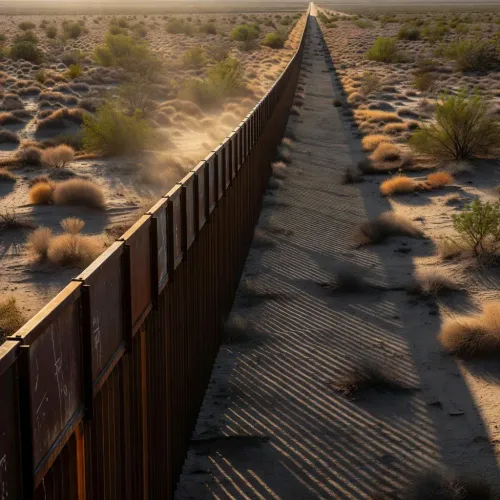
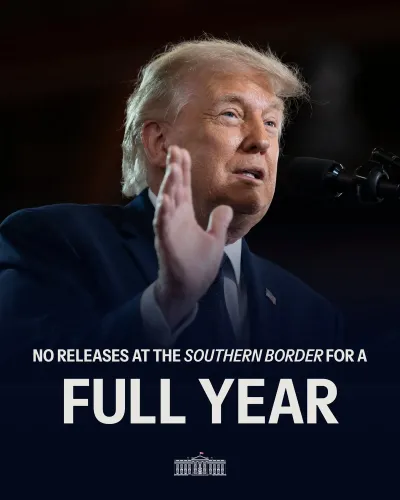
The debate over America's southern border has a new flashpoint. The White House posted on Wednesday, October 28, 2026, asserting that the Trump administration has 'locked down the border' and removed what it called 'the worst of the worst' from American streets — a direct and pointed contrast with the record of the preceding Biden administration.
A border policy defined by which party holds the White House
The U.S.-Mexico border has functioned as the sharpest ideological dividing line in American domestic politics for well over a decade. When Donald Trump first took office in 2017, his administration moved quickly on enforcement infrastructure — launching border wall construction and introducing the Migrant Protection Protocols, commonly called 'Remain in Mexico', which required asylum seekers to wait south of the border while their cases were processed.
When Joe Biden entered the White House in 2021, those policies were reversed almost immediately through executive orders. Wall construction was paused and the Remain in Mexico programme was terminated. What followed were record migrant encounter numbers at the southern border, a statistical reality that became a defining political liability for the Biden administration and a central campaign argument for Republicans heading into the 2024 election.
Trump's return and the enforcement pivot
The 2024 election outcome returned Trump to the presidency and, with it, a sharp swing back toward the enforcement-first model. The Trump administration's current posture — as articulated in Wednesday's White House post — emphasises interior removals of individuals with criminal records alongside physical border controls. The language of 'illegal alien criminals' and taking the 'worst of the worst off our streets' signals a deliberate framing around public-safety consequences, not just border-crossing statistics.
The White House post linked to additional data, though specific 2026 enforcement figures and the operational details of any declared 'lockdown' remain independently unverified from available sourcing.
What the oscillation means for border communities
For the communities that straddle the U.S.-Mexico border — on both sides — the whipsaw effect of changing administrations carries real, material consequences. Enforcement agencies recalibrate resources. Asylum processing pipelines open and close. Immigration courts face shifting caseloads. The pattern of stark policy reversals every four or eight years has become a structural feature of American border governance rather than an exception to it.
Analysts watching this space will now track monthly data from U.S. Customs and Border Protection (CBP) on southwest border encounters, as well as any new executive orders expanding expedited removal authorities or interior enforcement operations — the numbers that will test whether the administration's claims of a 'locked down' border hold up in the data.
The border remains a live story. The statistics, when they arrive, will be the verdict.
Point of View
Each administration will spend its early months undoing the last one's executive orders, and border communities will continue absorbing the turbulence. The real test of the 'lockdown' claim will come when CBP releases verifiable encounter and removal figures for 2026.
NationPress
29 Oct 2026
Frequently Asked Questions
What did the White House say about the US border in October 2026?
The White House posted on October 28, 2026 that the Trump administration has 'locked down the border' and removed criminal illegal immigrants from American streets, contrasting this with what it called the Biden administration's failure to control illegal alien criminals entering the country.
How did Trump's border policy differ from Biden's?
Trump's administration in 2017 built border wall sections and introduced the Remain in Mexico policy. Biden reversed both in 2021 through executive orders, leading to record migrant encounters. Trump's return after the 2024 election restored enforcement-first measures, including interior removals of individuals with criminal records.
What is the Remain in Mexico policy?
The Remain in Mexico policy, formally called the Migrant Protection Protocols, was introduced by the Trump administration in 2017. It required asylum seekers arriving at the US-Mexico border to wait in Mexico while their immigration cases were processed in US courts. Biden terminated it in 2021.
Is the US border actually 'locked down' in 2026?
The White House has claimed the border is 'locked down' under the Trump administration, but specific 2026 enforcement statistics and operational details have not been independently verified. Analysts are awaiting monthly CBP southwest border encounter data to assess the claim.
Why does US border policy keep changing with each president?
US border policy has swung sharply with each administration because it has largely been governed through executive orders rather than comprehensive legislation. Without a durable congressional fix, each president has the power to reverse their predecessor's border directives, creating a cycle of policy reversals that has characterised border governance for decades.