White House Releases Second Batch of UAP Files
Synopsis
The White House announced its second public release of Unidentified Anomalous Phenomena files on 22 May 2026, directing the public to the official Pentagon-linked portal. The move continues a structured declassification effort that began with the 2021 ODNI UAP assessment and the establishment of the All-domain Anomaly Resolution Office.
Key Takeaways
The White House announced a second release of Unidentified Anomalous Phenomena (UAP) files on 22 May 2026 .
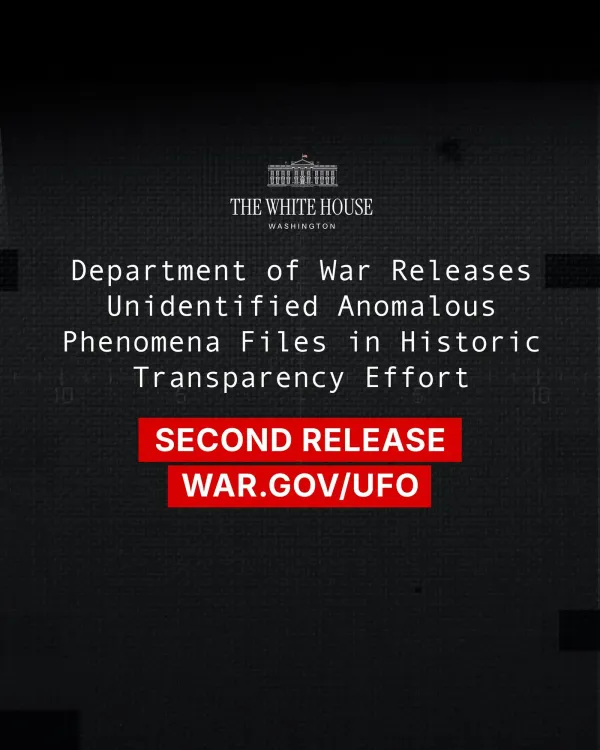
Documents are publicly accessible via the official government portal at WAR.GOV/UFO , hosted under the Department of Defense web domain.
The release follows the 2021 ODNI preliminary assessment that examined 144 military-reported UAP incidents — the first major unclassified government disclosure.
The All-domain Anomaly Resolution Office (AARO) , established within the Pentagon, oversees ongoing UAP investigation and annual congressional reporting.
The phased, structured nature of the releases reflects sustained congressional pressure for greater transparency on anomalous phenomena encountered by U.S. military personnel.
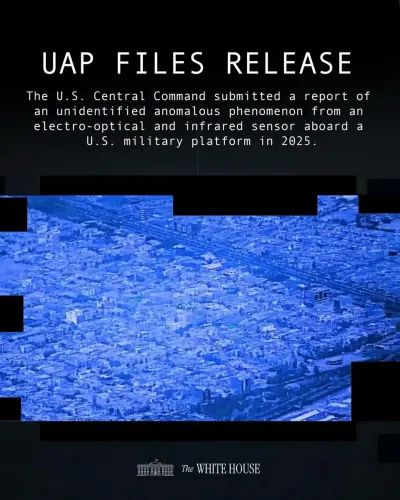
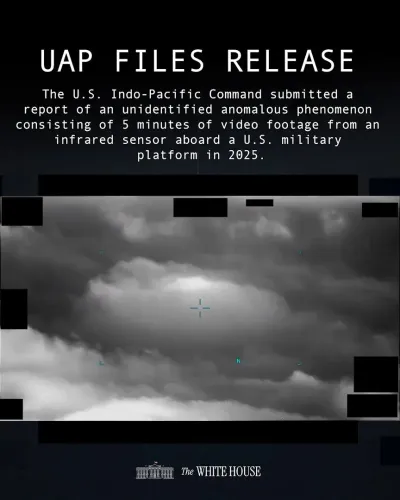
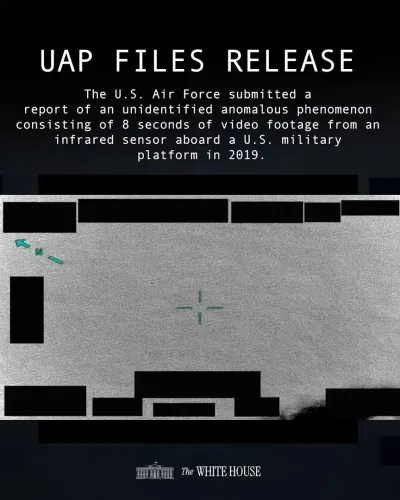
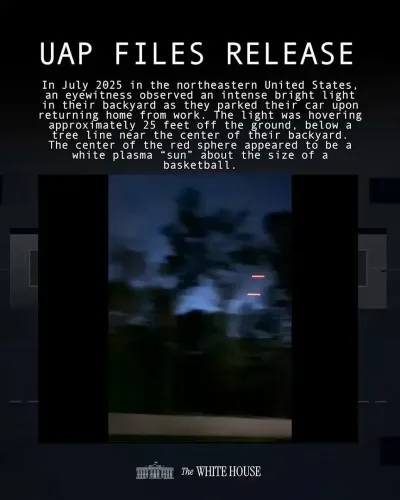
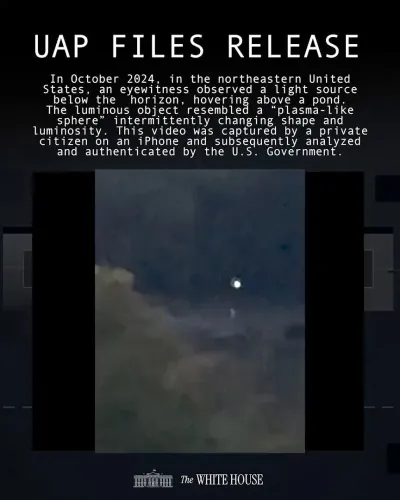
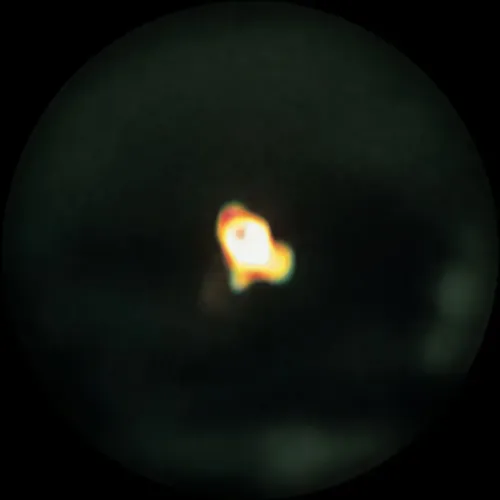
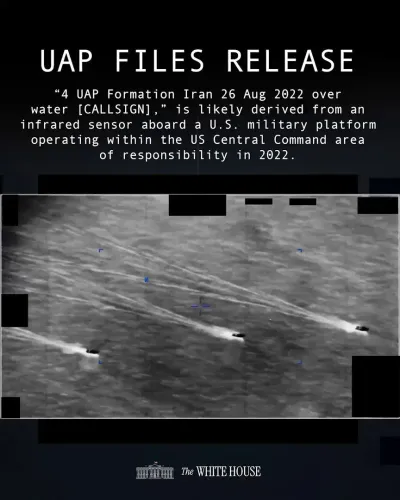
The White House announced a second release of declassified Unidentified Anomalous Phenomena (UAP) files on Friday, 22 May 2026, directing the public to the official government portal at WAR.GOV/UFO for access to the documents.
Context
The announcement marks at least the second formal public release of UAP-related government files, building on a years-long push for greater transparency around encounters reported by U.S. military personnel. The White House post described the tranche as the 'Second Release of Unidentified Anomalous Phenomena Files,' signalling a structured, phased declassification process rather than a one-off disclosure.
The release comes against the backdrop of sustained congressional pressure on the executive branch to open its UAP archives to public scrutiny. Lawmakers from both parties have argued that decades of restricted internal reporting have left the public and oversight bodies without adequate information.
Policy Backdrop
The formal government engagement with UAP began taking shape in 2020 when the Department of Defense established a dedicated UAP Task Force under Navy leadership. That was followed in 2021 by the Office of the Director of National Intelligence (ODNI) submitting a preliminary unclassified assessment to Congress examining 144 military-reported UAP incidents — the first major public government document of its kind.
The All-domain Anomaly Resolution Office (AARO), subsequently established within the Pentagon, was tasked with investigating and resolving UAP reports across military domains and providing annual reports to Congress. These successive institutional steps reflect an incremental declassification approach the U.S. government has applied to other sensitive national security topics since the 2010s.
The routing of the new release through a WAR.GOV subdomain — the official web presence of the Department of Defense — indicates the files originate from or are being hosted through official defence channels, lending institutional weight to the disclosure.
Stakeholders and Impact
The primary audience for these releases includes military aviators and service personnel who have reported UAP encounters and have long sought official acknowledgment of their experiences. Congressional oversight committees, which have mandated regular reporting from AARO, are also key stakeholders who will scrutinise the scope and completeness of what is disclosed.
The broader research community — including scientists, aerospace analysts, and independent investigators — stands to benefit from any raw data or incident records made available. For Indian observers, the releases carry relevance given India's own growing interest in airspace security and the global conversation around unidentified aerial objects, particularly following balloon and object incidents over multiple countries in recent years.
What's Next
Attention will now turn to the volume and classification level of the documents contained in this second release, and whether they include sensor data, pilot testimonies, or inter-agency assessments beyond what was disclosed in the 2021 ODNI preliminary report. Further AARO annual reports to Congress and any legislative proposals expanding UAP data access or whistleblower protections remain active areas to watch.
If the phased release pattern continues, a third tranche may follow, potentially covering domains beyond aerial phenomena — a scope already embedded in the term 'anomalous phenomena,' which extends to undersea and near-space environments.
Point of View
Institutionalised declassification arc — not a sudden break from precedent. By routing access through a DOD-linked domain and framing it as a numbered release, the executive branch is signalling a managed transparency process designed to satisfy congressional mandates while retaining control over the pace and depth of disclosure. For observers tracking U.S. national security policy, the key question is whether these releases constitute substantive data dumps or curated, low-sensitivity documents that fulfil the letter of transparency obligations without revealing operationally sensitive material. The global resonance of UAP disclosures — including in countries like India that are increasingly attentive to unidentified airspace incursions — ensures this story carries weight well beyond American domestic politics.
NationPress
7 Oct 2026
Frequently Asked Questions
What is the White House UAP file release in May 2026?
The White House announced on 22 May 2026 a second batch of declassified Unidentified Anomalous Phenomena files, made publicly available through the official government portal at WAR.GOV/UFO , continuing a structured government transparency effort around military UAP encounters.
What is AARO and what does it do?
The All-domain Anomaly Resolution Office (AARO) is a Pentagon body established to investigate and resolve UAP reports across military domains — air, sea, and near-space — and to provide annual reports to the U.S. Congress.
What was the first major US government UAP report?
The first significant unclassified government UAP document was the 2021 ODNI Preliminary Assessment , which examined 144 UAP incidents reported by U.S. military personnel and was submitted to Congress by the Office of the Director of National Intelligence.
Why is the US government releasing UFO files to the public?
Sustained pressure from congressional oversight bodies, along with legislative mandates requiring regular UAP reporting, has driven the executive branch to incrementally declassify and publicly release files related to unidentified anomalous phenomena encountered by military personnel.
Where can I access the US government UAP documents?
The White House directed the public to WAR.GOV/UFO , the official Department of Defense-linked portal, to access the second release of UAP files announced on 22 May 2026 .