White House Spotlights Healthcare Push With Self-Reply Link
Synopsis
The White House on June 2, 2026 amplified a healthcare message by posting a self-reply linking to a dedicated page on whitehouse.gov. The brief post carried no caption beyond the truncated URL and a single image, signalling a curated administration push on health policy with implications for patients, providers and Indian pharma exporters.
Key Takeaways
The White House posted a self-reply on June 2, 2026 linking to a healthcare page on whitehouse.gov .
The post contains no caption text beyond the truncated URL and is paired with one image.
It follows a long-standing pattern of the executive branch using social handles to funnel attention to curated policy pages.
Healthcare policy in the US traces back to the Affordable Care Act of 2010 and its marketplace framework.
Key stakeholders include American patients, healthcare providers, insurers and state health departments.
Indian pharma exporters and health professionals on US visas are indirect stakeholders in any policy shift.
The White House, the official communications arm of the Executive Office of the President of the United States, on Tuesday, June 2, 2026, amplified its own messaging on healthcare by posting a reply pointing followers to a page on whitehouse.gov. The brief post, sent from Washington DC, links to a section of the administration's website themed around healthcare and is accompanied by a single image.
The reply, addressed back to the @WhiteHouse handle itself, carries only a truncated URL — 'whitehouse.gov/greathealthca…' — and no accompanying caption. The self-reply format is commonly used on X to thread a follow-up resource onto a primary announcement, directing readers to a dedicated landing page for more detail.
Context
The post is part of a routine pattern in which the executive branch uses its verified social handles to funnel attention towards curated content on its official portal. Such links typically host fact sheets, executive orders, or policy explainers aimed at shaping the public conversation around an administration priority.
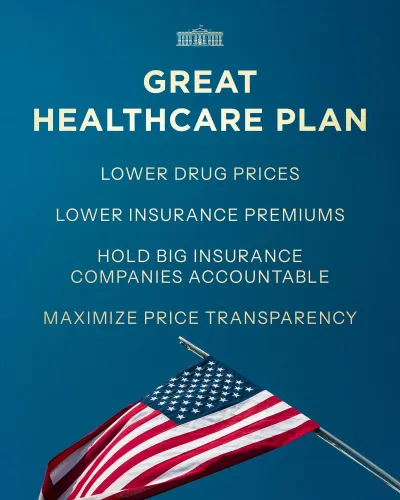
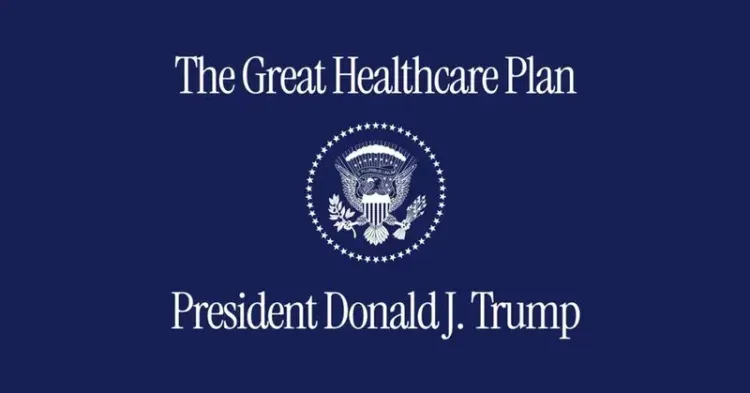
Because the message itself contains no policy text, the substance lies entirely on the linked page, which the post frames as relating to healthcare. The accompanying image, the only visual element, signals that the administration intends the link to be read as a headline communication rather than a low-profile update.
Policy backdrop
Healthcare has been a central axis of US domestic policy debate for more than a decade. The Affordable Care Act, signed into law in 2010, expanded insurance coverage and created the federal and state healthcare marketplaces that remain a reference point for every subsequent reform effort.
Successive administrations — across both parties — have leveraged whitehouse.gov as the authoritative venue to publish their preferred framing on insurance access, drug pricing, and coverage costs. Posts of this type typically promote administration achievements or flag proposed changes in the health sector for legislative and regulatory follow-through.
Stakeholders and impact
The immediate audiences for healthcare communications from the executive branch are American patients, healthcare providers, insurers, and state-level health departments that administer marketplace and Medicaid programmes. Industry groups and patient advocates closely parse such links for cues on rule-making, subsidy levels, and enrolment timelines.
For Indian readers, the relevance is twofold. The Indian pharmaceutical industry is a major supplier of generic medicines to the US market, and shifts in American drug-pricing or coverage policy can ripple through export contracts. Indian-origin health professionals and students on training visas also track US healthcare policy for its bearing on hospital hiring and residency placements.
What's next
Observers will be watching for any follow-on legislative proposals or regulatory actions tied to the linked page, including formal rule notices, agency guidance, or White House fact sheets that flesh out the framing teased in the post.
If the link previews a new scheme or executive action, it would typically be followed within days by a press briefing, an agency announcement, or a signing event. Absent that, the post will read as a reinforcement of an existing campaign rather than the launch of fresh policy — a distinction that will become clear once the underlying page is reviewed in full.
Point of View
Link-only post is a classic executive-branch traffic-routing manoeuvre rather than a substantive policy disclosure. It tells us the administration wants to keep healthcare front-and-centre in its public messaging, but the real signal sits on the linked page, not in the tweet. For India, the read-across is narrow but real — any movement on US drug pricing or coverage rules feeds directly into generics export contracts. Watch the follow-on agency notices, not the tweet itself.
NationPress
16 Oct 2026
Frequently Asked Questions
What did the White House post about healthcare on June 2, 2026?
The White House posted a self-reply on X linking to a healthcare-themed page on whitehouse.gov. The post carried no caption text beyond the truncated URL and was accompanied by a single image.
Why does the White House post links to its own website?
The executive branch routinely uses verified social handles to drive followers to curated policy content on whitehouse.gov. These pages typically host fact sheets, executive orders or explainers framing administration priorities.
How does US healthcare policy affect India?
Indian pharmaceutical companies are major suppliers of generic drugs to the US market, so any shift in American drug-pricing or coverage rules can affect export contracts. Indian-origin health professionals on US training visas also track such policy moves.
What is the Affordable Care Act?
The Affordable Care Act is a US healthcare law signed in 2010 that expanded insurance coverage and created federal and state healthcare marketplaces. It remains the reference framework for subsequent US health reform debates.
Where can the full White House healthcare message be read?
The full content sits on the linked page at whitehouse.gov, which the X post points to via a truncated URL. The post itself does not summarise the page's contents.