White House Pitches 'Great Healthcare Plan' Targeting Insurers
Synopsis
The White House has unveiled messaging around 'The Great Healthcare Plan', describing it as an initiative to hold big insurance corporations accountable while prioritising American patients. The 2 June 2026 post offered no specifics on provisions or timelines, but signals a sharpened consumer-protection stance in the long-running US debate over private insurer regulation.
Key Takeaways
The White House posted on 2 June 2026 promoting 'The Great Healthcare Plan'.
The message frames the President as prioritising 'PEOPLE over big insurance corporations' .
No specific provisions, funding mechanism or legislative vehicle were disclosed in the post.
The framing echoes the consumer-protection lineage of the Affordable Care Act of 2010 .
Attention now shifts to whether an executive action or congressional bill follows the announcement.
The White House, the official communications arm of the Executive Office of the President of the United States, on 2 June 2026 promoted what it described as a sweeping healthcare initiative, framing the President as a champion of consumers against large private insurers. The post, shared from Washington DC, positioned the unnamed administration's agenda as a direct confrontation with the US health insurance industry.
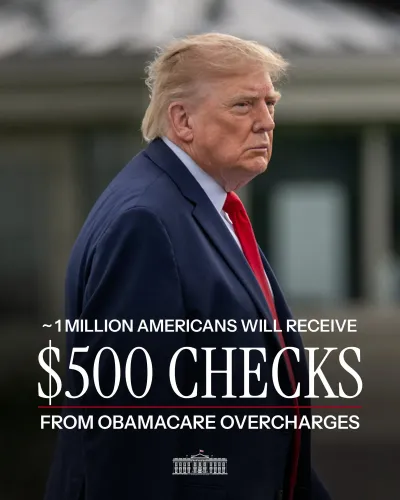
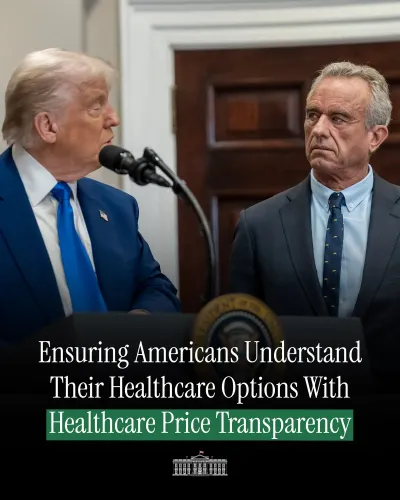
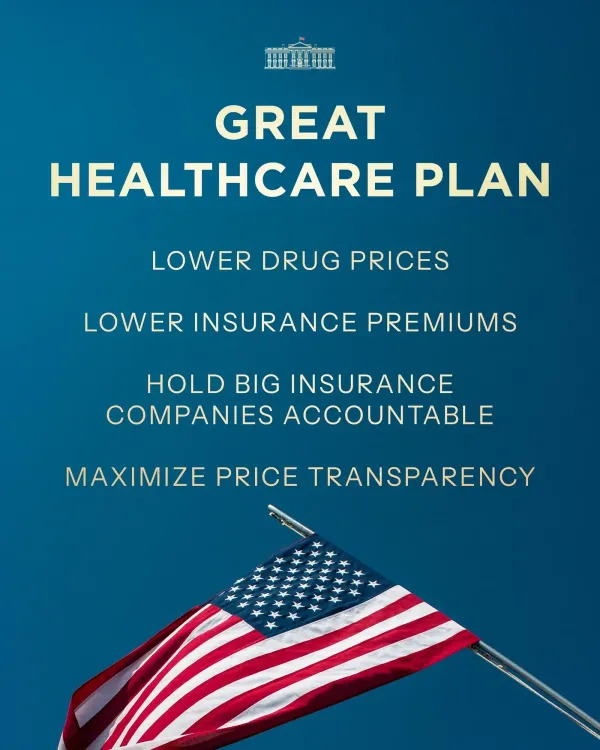
In its message, the White House wrote, 'Finally, a President that prioritizes PEOPLE over big insurance corporations. The Great Healthcare Plan holds big insurance companies accountable while fighting for Americans.' The post, accompanied by a single image, did not detail specific provisions, timelines or legislative vehicles for the plan it referenced.
Context
The post lands amid a long-running American debate over the role of private insurers in delivering healthcare. Successive US administrations have framed reform efforts around either expanding consumer protections or rolling back federal mandates, and the latest White House message slots into the consumer-protection framing.
The phrasing — pitting 'PEOPLE' against 'big insurance corporations' — echoes a populist register that US administrations across parties have used to build public support for regulatory action on premiums, claim denials and out-of-pocket costs.
Policy backdrop
The principal federal statute governing insurer conduct remains the Patient Protection and Affordable Care Act, signed into law in 2010. It barred denial of coverage for pre-existing conditions, set medical loss ratio thresholds requiring insurers to spend a minimum share of premiums on care, and expanded subsidised coverage through state and federal marketplaces.
Attempts to overhaul that framework include the American Health Care Act, introduced in 2017, which sought to repeal and replace major Affordable Care Act provisions but did not become law in its original form. The White House post does not specify how 'The Great Healthcare Plan' relates to, builds on, or departs from these earlier statutes.
Stakeholders and impact
The principal stakeholders in any such initiative are patients, healthcare consumers purchasing coverage on the individual market or through employers, and the private insurance companies that underwrite plans. Insurers have faced repeated federal and state scrutiny over premium increases, prior-authorisation practices and claim-denial rates.
For Indian readers, the messaging is significant for two reasons. First, several Indian-origin healthcare professionals and patients are directly affected by US insurance rules. Second, Indian IT and business process firms service a substantial share of US health-insurance back-office operations, and any tightening of accountability norms could reshape that outsourced workload.
The post did not name specific insurance companies, nor did it identify regulatory tools — whether executive order, rulemaking, or legislation — that the administration intends to deploy.
What's next
Attention will turn to whether the White House follows the social-media framing with a formal policy rollout, an executive action, or a legislative proposal sent to Congress. Any new insurance regulation bill would face committee scrutiny in both chambers and is likely to draw lobbying from industry groups and patient advocacy organisations.
The contours of 'The Great Healthcare Plan' — including its funding mechanism, coverage scope and enforcement architecture — remain undisclosed in the current communication. Until those details emerge, the post functions primarily as a political positioning statement, signalling the administration's intent to keep insurer accountability at the centre of its domestic agenda heading into the next legislative cycle.
Point of View
Deployed before policy detail is on the table. It sits within a fifteen-year US arc of alternating expansion and rollback of insurer obligations dating to the Affordable Care Act. For Indian observers, the more consequential signal is downstream — any sharpened claims-denial or prior-authorisation rules could reshape the BPO and tech workflows that Indian firms run for US insurers. Substance, not slogan, will determine whether this is a turning point or a talking point.
NationPress
17 Oct 2026
Frequently Asked Questions
What is 'The Great Healthcare Plan' announced by the White House?
It is an initiative referenced by the White House on 2 June 2026 that the administration says will hold large insurance companies accountable. The post did not disclose specific provisions, timelines or legislative details.
How does this relate to the Affordable Care Act?
The Affordable Care Act, signed in 2010, is the principal federal law governing insurer conduct in the US, including bans on denial for pre-existing conditions. The White House post did not specify how the new plan interacts with the ACA.
Does the plan affect Indians living in the United States?
Any change in US insurance regulation would affect all consumers in the US market, including Indian-origin residents enrolled in individual or employer plans. Specific impacts depend on provisions that have not yet been disclosed.
Will Indian IT firms servicing US insurers be impacted?
Potentially, yes. Indian IT and BPO companies handle significant claims-processing and back-office work for US insurers, so tighter accountability rules could alter workload patterns, though no concrete rules have been announced.
When will more details of the plan be released?
The White House post did not give a timeline. Further detail would typically come via an executive order, federal rulemaking, or a bill introduced in Congress.