White House Pushes Healthcare Price Transparency for Americans
Synopsis
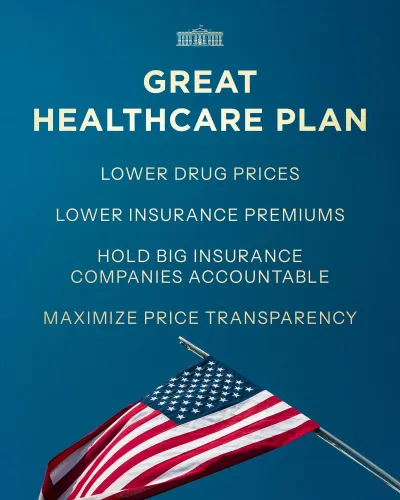
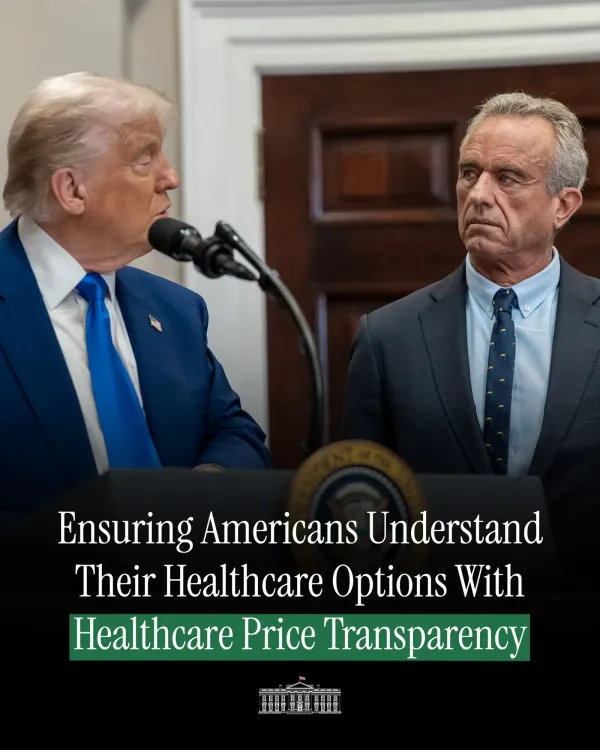
The Trump Administration has directed the Department of Health and Human Services to make healthcare pricing clear and useful for American patients, framing cost transparency as a core patient right under its 'Americans first' policy agenda.
Key Takeaways
The Trump Administration announced a healthcare price transparency push on 6 October 2026 .
HHS (Department of Health and Human Services) is the designated lead agency for delivering usable price data to patients.
The White House stated Americans 'should know exactly how much their healthcare options cost' before making decisions.
The initiative targets the usability gap — making pricing data accessible to ordinary patients, not just data analysts.
The push is framed as part of the administration's broader 'Americans first' policy identity.
Every time an American walks into a hospital or clinic, they face a system that has historically kept the true cost of care hidden until the bill arrives. The Trump Administration is moving to change that, directing the Department of Health and Human Services (HHS) to make healthcare price data clear, reliable, and genuinely useful for patients making real decisions.
What the Transparency Push Actually Means for Patients
The White House framed the initiative squarely around consumer empowerment: 'Americans should know exactly how much their healthcare options cost.' The directive places the burden on the system — not the patient — to surface pricing information before care is delivered, not after. HHS is the lead agency tasked with operationalising that commitment into usable, accessible data.
The principle is straightforward: if a patient can compare prices on a plane ticket or a hotel room, they should be able to do the same for a knee replacement or an MRI scan. Opacity in healthcare pricing has long been identified as a structural driver of inflated costs, and price transparency is one of the few healthcare reforms with bipartisan intuitive appeal — even if implementation details remain contested.
HHS at the Centre of the Delivery Mechanism
By naming @HHSGov explicitly, the White House is signalling accountability. The department has authority over hospital price disclosure rules, insurer machine-readable file requirements, and the enforcement mechanisms that determine whether transparency mandates have teeth or simply exist on paper. Making data 'useful' — the specific word chosen — implies going beyond raw data dumps that are technically compliant but practically impenetrable for ordinary consumers.
Critics of earlier transparency rules have argued that machine-readable files containing millions of negotiated rates serve data analysts far better than they serve a family trying to budget for surgery. The administration's framing suggests an intent to close that usability gap.
The 'Americans First' Policy Frame
The White House wrapped the announcement in the administration's signature 'Americans first' framing, positioning price transparency not as a regulatory exercise but as a patient-rights issue. That framing matters: it elevates healthcare cost visibility from a technocratic rule to a political commitment, raising the stakes for follow-through at HHS.
For Indian observers tracking US health policy — particularly professionals, students, and diaspora communities navigating the American insurance system — the push reflects a broader global reckoning with healthcare affordability that resonates well beyond US borders.
If HHS delivers on the usability promise, the sticker price of American healthcare may finally become something patients can read before they have to pay it.
Frequently Asked Questions
What is the Trump Administration's healthcare price transparency initiative?
It is a policy directive requiring HHS to make healthcare pricing information clear and practically useful for American patients, so they can know the cost of their care options before choosing treatment.
What role does HHS play in US healthcare price transparency?
The Department of Health and Human Services is the lead federal agency responsible for enforcing hospital price disclosure rules and ensuring insurers publish machine-readable pricing files, and is now tasked with improving the usability of that data for ordinary patients.
Why has US healthcare pricing historically been opaque?
Hospitals and insurers have negotiated rates privately, and final patient costs often depend on complex insurance calculations, making it difficult for individuals to know their out-of-pocket expenses before receiving care.
How does healthcare price transparency benefit patients?
When patients can compare prices across providers before choosing care, they can make informed decisions, potentially reducing out-of-pocket costs and encouraging competitive pricing among healthcare providers.
Does US healthcare price transparency policy affect Indian diaspora in America?
Yes — Indian-Americans and others navigating the US insurance system stand to benefit directly from clearer pricing data, which can help them plan and budget for medical procedures without unexpected billing surprises.