White House Touts $1.2B Philip Morris ZYN Plant in US
Synopsis
The White House announced that Philip Morris is investing $1.2 billion to open a US manufacturing plant for ZYN nicotine pouches, framing it as a 'Made in America' win. Plant location, employment figures, and timeline remain undisclosed.
Key Takeaways
The White House announced on July 28, 2026 that Philip Morris will open a $1.2 billion manufacturing plant in the United States .
The plant will produce ZYN nicotine pouches, a smokeless tobacco alternative owned by Philip Morris via its Swedish Match acquisition.
The announcement was framed under the 'Made in America' domestic-manufacturing push, a bipartisan policy priority since at least 2021 .
The specific plant location, projected jobs, and construction timeline have not yet been publicly disclosed.
The investment fits a broader trend of multinationals reshoring production capacity to the US amid policy incentives and supply-chain pressures.
The FDA is separately reviewing regulatory frameworks for nicotine pouches, which could intersect with domestic production decisions.
A $1.2 billion bet on American soil — that is the headline the White House is amplifying as Philip Morris announces plans to open a domestic manufacturing plant for its ZYN nicotine pouches inside the United States.
Philip Morris brings ZYN production stateside
ZYN, a brand of smokeless nicotine pouches that Philip Morris acquired through its purchase of Swedish Match, has built a significant consumer base in the US market. Until now, a substantial portion of its supply chain has operated outside American borders. The new facility, pegged at $1.2 billion, signals a major shift toward domestic production — the kind of capital commitment that governments of multiple administrations have actively courted.
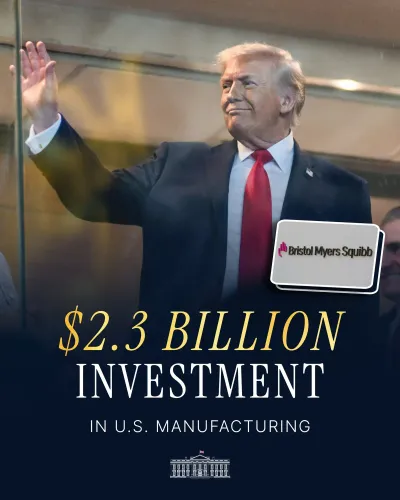
The White House posted the announcement on Tuesday, July 28, 2026, framing it squarely under the 'Made in America' banner — a domestic-manufacturing push that has become a bipartisan rallying point across successive administrations since at least 2021. The post's message was blunt and direct: 'MADE IN AMERICA.'
What a $1.2 billion plant means for US manufacturing
Investments of this scale in consumer goods manufacturing carry real downstream weight — construction jobs, permanent plant employment, and supply-chain activity for local vendors. The specific location of the facility, projected headcount, and a construction timeline have not yet been disclosed publicly. Those details, once released, will sharpen the picture of exactly which communities stand to benefit.
The announcement also lands against a backdrop of ongoing FDA scrutiny of the nicotine pouch category. Regulators have been assessing marketing authorisations for smokeless nicotine products, making the domestic production footprint a factor that could influence future regulatory conversations around import alternatives and product standards.
Multinationals and the 'Made in America' moment
Philip Morris is not alone in making this kind of move. Across sectors — semiconductors, pharmaceuticals, electric vehicles — multinationals have recalibrated their supply chains toward US-based facilities, responding to a combination of policy incentives, tariff pressures, and geopolitical risk calculations. A $1.2 billion nicotine-pouch plant fits that broader pattern, even if the product category is an unconventional entry in the reshoring narrative.
Whether this investment was driven primarily by trade policy, regulatory positioning, or market logistics, the White House's decision to amplify it reflects the political value both parties have found in visible, large-number manufacturing commitments. The factory has not been built yet — but the signal has been sent loud and clear.
Point of View
The move underscores how US trade and manufacturing policy is actively reshaping where global consumer goods companies locate production, with implications for countries that currently host those supply chains. The missing details — location, jobs, timeline — are the real test of whether this is a genuine industrial shift or an announcement timed for political effect.
NationPress
27 Oct 2026
Frequently Asked Questions
What is ZYN and who makes it?
ZYN is a brand of smokeless nicotine pouches marketed as an alternative to traditional tobacco products. It is owned by Philip Morris International , which acquired it through its purchase of Swedish Match .
How much is Philip Morris investing in the US ZYN plant?
Philip Morris has announced a $1.2 billion investment to build a US manufacturing facility dedicated to producing ZYN nicotine pouches.
Where will the new Philip Morris ZYN plant be located?
The specific location of the plant has not yet been publicly disclosed. Details on the site, employment figures, and construction timeline are expected to follow the initial announcement.
What is the 'Made in America' policy the White House is referencing?
'Made in America' refers to a domestic-manufacturing framework that has been a bipartisan policy priority in the United States since at least 2021 , encouraging companies to produce goods on US soil rather than importing them.
Are nicotine pouches like ZYN regulated in the United States?
Yes. The FDA regulates nicotine pouches and has been reviewing marketing authorisations for smokeless nicotine products. Domestic manufacturing could become a factor in future regulatory and import-policy discussions around such products.